Hoopla Loans Review (2026): Rates, Fees & Requirements

Hoopla Loans review for South Africa. Learn how the platform works, loan costs, eligibility requirements, repayment terms, and safer alternatives to compare.

Hoopla Loans Review

Published April 2026

Hoopla Loans is a South African online platform that connects borrowers with registered credit providers offering short-term and instalment loans. Hoopla is not a traditional bank. It is a loan matching service that helps applicants find lenders based on their profile, credit history, and affordability.

Instead of applying to multiple lenders individually, borrowers can complete a single online application. This may allow them to receive loan offers from partner lenders. This can make the process easier for people who want to compare several options quickly. Keep in mind that Hoopla does not provide the loan itself. Your final agreement, repayment terms, and costs are set by the lender you are matched with.

If you’re considering applying through Hoopla Loans, this review explains how the platform works, what types of loans are typically available, the costs involved, and what you should check before accepting any offer.

Explore other personal loan options with FatCat Loans.


Quick verdict: is Hoopla Loans worth using?

Hoopla Loans can be useful if you want a quick online way to compare multiple loan options without applying to each lender individually. It may suit borrowers who need smaller loan amounts, want faster decision-making, or prefer comparing offers based on their eligibility.

Keep in mind that Hoopla does not provide the loan itself. Your final agreement, repayment terms, and costs are set by the lender you are matched with.

However, Hoopla works mainly with non-bank lenders. This means interest rates and fees can be higher than traditional bank loans. These loans are generally better suited to short-term needs and should only be used when repayments are clearly affordable.

Borrowers should also look at fully online loan options to see whether other lenders offer better pricing, longer repayment terms, or a lower overall cost.


Hoopla Loans overview (at a glance)

Feature What to expect Why it matters
Provider type Loan matching platform You borrow from a lender, not Hoopla
Loan types Short-term & instalment loans Different products suit different needs
Application process Fully online Fast and convenient
Approval Based on affordability and credit Offers vary between applicants
Repayment Fixed by lender Affects your monthly budget

Because Hoopla Loans is a matching platform, the final loan terms depend on the lender you are matched with.

Before applying, it helps to estimate your monthly loan repayments so you know what fits your budget.


How Hoopla Loans works

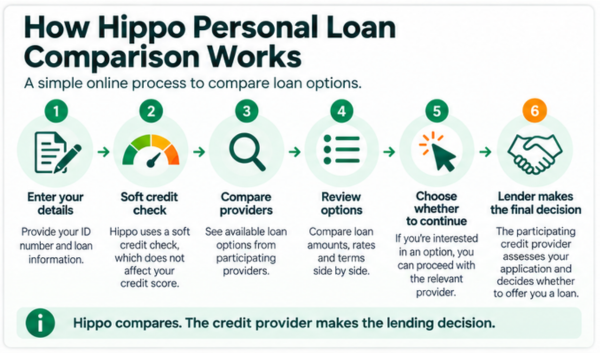
Hoopla Loans does not lend money directly. Instead, it connects borrowers with lenders in the following way:

  1. Collects your basic application details
  2. Assesses your affordability and profile
  3. Matches you with suitable lenders
  4. Presents loan offers (if available)
  5. Redirects you to the lender to finalise the agreement

Your final loan contract is with the lender, not Hoopla itself.


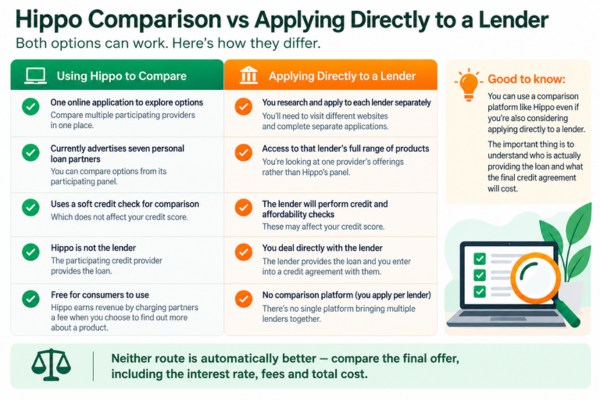
Loan matching platform vs direct lender

This difference is important before you apply:

  • Hoopla Loans: connects you with lenders but does not issue the loan
  • Direct lenders: provide the loan and set all terms and costs

It affects who you repay, who sets your interest rate, and who you contact if there is a problem with your account.


What types of loans can you get through Hoopla?

Short-term loans

  • Smaller loan amounts
  • Short repayment periods
  • Higher cost per rand borrowed
  • Best for emergency or temporary needs

Instalment loans

  • Slightly larger amounts
  • Fixed monthly repayments
  • Repayment terms over several months
  • More structured than payday loans

These loans are usually not designed for long-term borrowing.


How much can you borrow?

Loan amounts vary by lender and by your profile, but they are generally smaller than bank loans.

Your offer depends on:

  • Income level
  • Affordability assessment
  • Credit history
  • Existing debt obligations

Borrowing more than you need can raise both the cost and the repayment pressure, especially with short-term products.


Repayment terms and affordability

Repayment terms are set by the lender you are matched with. Shorter terms can reduce total interest, but they also increase monthly repayments.

A common mistake is focusing only on approval speed rather than affordability.

Before accepting a loan, consider:

  • Whether you can afford repayments after essential expenses
  • Whether you have a buffer for unexpected costs
  • Whether the repayment period fits your financial situation

If you’re unsure, take time to work out your loan repayment before applying. It also helps to test different repayment scenarios.


When short-term loans become expensive

Short-term loans can be useful in emergencies, but they can become expensive if used repeatedly or without a clear repayment plan.

Some risks to be aware of include:

  • Taking a new loan to repay an existing one
  • Extending repayment periods and increasing total cost
  • Relying on short-term credit for ongoing expenses

If a loan leaves you needing more credit to cover basic living costs, it may not be affordable. In that situation, it is often better to pause and compare alternatives before you proceed.


Common mistakes borrowers make with online loans

When using platforms like Hoopla Loans, borrowers can make avoidable mistakes that raise costs or increase risk.

  • Focusing only on approval speed instead of total cost
  • Ignoring fees included in the loan agreement
  • Borrowing more than needed
  • Not checking repayment dates carefully
  • Accepting the first offer without comparing alternatives

Taking time to review and compare offers can help you avoid an expensive or unsuitable loan agreement.


Interest rates, fees, and total cost

Loans accessed through Hoopla may include:

  • Interest charges — often higher than bank loans
  • Initiation fees — once-off setup costs
  • Monthly service fees — ongoing charges added to repayments

Total repayable amount is the most important number to check.

A lower monthly instalment can still result in a higher total cost if the loan term is longer or fees are high.


Example: how Hoopla loan costs can add up

A simple example can make the total cost of a loan easier to understand. The numbers below are only examples. Your actual costs may vary by lender and by profile.

  • Loan amount: R5,000
  • Loan term: 3 months
  • Interest and fees: applied by the lender

The monthly repayment may look manageable. But the total repayment amount could be much higher than the original loan once interest and fees are included.

This is why borrowers should always compare the total cost of credit, not just the monthly instalment.


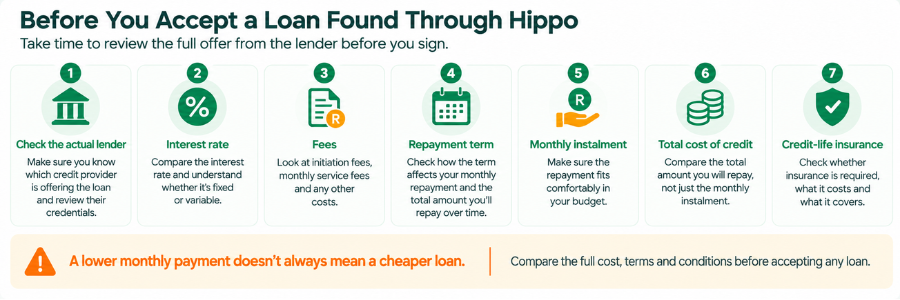
What to check before accepting a Hoopla loan offer

Before accepting any loan through Hoopla, read the full quotation carefully.

  • Total repayment amount — the full cost over the loan term
  • Interest rate — and whether it is fixed or variable
  • All fees — including initiation and monthly service fees
  • Repayment dates — when debit orders will run
  • Early settlement terms — whether you can repay early and reduce costs
  • Credit protection or insurance — whether it is included or optional

Comparing these details across multiple offers can help you avoid loans that look affordable each month but cost much more overall.


Eligibility checklist and documents

Requirements vary, but most lenders usually ask for:

  • South African ID
  • Age 18 or older
  • Proof of income
  • Active bank account
  • Affordability assessment

Some lenders may still consider applicants with weaker credit profiles. If credit is a concern, explore bad credit loan options.


Fraud and impersonation warning

Loan scams are common, especially online.

  • Never pay upfront “release” fees
  • Verify website URLs carefully
  • Avoid sharing documents via unverified channels

Always use official websites. You can also review our fraud protection guidance.


Pros and cons of Hoopla Loans

Here is a quick summary of the main advantages and drawbacks to keep in mind.

Pros

  • Single application to access multiple lenders
  • Fully online process
  • Faster than traditional banks
  • Useful for short-term borrowing

Cons

  • Higher interest rates
  • Smaller loan amounts
  • Short repayment terms
  • Risk of debt cycles

How to compare Hoopla loan offers effectively

When reviewing offers through Hoopla, compare more than just the loan amount or approval speed.

What to compare Why it matters What to look for
Total repayment Shows true cost Total amount paid including fees
Monthly instalment Affects your budget Fits comfortably after expenses
Loan term Changes total cost Short vs longer repayment period
Fees Add hidden cost Initiation + monthly fees
Lender reputation Service quality matters Reviews and support options

Who should consider Hoopla Loans?

  • Borrowers needing small loans quickly
  • Users who prefer online comparison
  • Those with limited access to bank credit
  • Borrowers with a clear repayment plan

It is not ideal for long-term financial needs.


Who should avoid Hoopla Loans?

  • Borrowers struggling with monthly expenses
  • Those relying on repeated borrowing
  • People needing large or long-term loans
  • Those borrowing for ongoing living costs

Hoopla Loans vs Letsatsi Finance vs Wonga

Hoopla Loans, Letsatsi Finance, and Wonga are often compared by borrowers looking for short-term or instalment loan options outside traditional banks. They serve similar audiences, but they work in different ways and may suit different needs.

Feature Hoopla Loans Letsatsi Finance Wonga
Provider type Loan matching platform Direct lender Direct lender
Lends money directly? No Yes Yes
Loan type Short-term & instalment (via partners) Short-term & instalment Short-term & instalment
Application Single application, multiple offers Direct application Direct application
Best for Comparing multiple lenders Fast access to small loans Structured short-term borrowing

If you want to explore each option in more detail, you can read our full reviews:

Comparing these options can help you see the differences in loan structure, cost, and suitability before you decide.


Is Hoopla Loans safe to use?

Hoopla Loans connects borrowers with registered credit providers. You should still verify the lender you are matched with before accepting any loan offer.

To stay safe:

  • Only proceed with lenders that are properly registered
  • Check that the website and communication are legitimate
  • Avoid paying any upfront “release” or “processing” fees

If you are unsure, verify the details before you submit documents or accept a loan agreement.


Final thoughts

Hoopla Loans can be a convenient way to access short-term loan offers online, especially when comparing lenders.

But higher costs mean these loans should only be used when the repayments are clear and affordable.

Comparing multiple lenders remains the safest approach.

Explore other personal loan options with FatCat Loans.


FAQs: Hoopla Loans

Is Hoopla Loans a lender?

No. Hoopla Loans is not a direct lender. It is a loan matching platform that connects borrowers with registered credit providers. If you receive an offer, your loan agreement will be with the lender you are matched with, not Hoopla itself.

Does Hoopla Loans accept bad credit?

Hoopla Loans works with a range of lenders. Some may consider applicants with weaker credit profiles. But approval still depends on affordability checks, income stability, and overall risk assessment. Even if you qualify, loan costs may be higher for higher-risk profiles.

How fast is payout through Hoopla Loans?

Payout times vary by lender. They also depend on document checks and banking processes. Some applicants may receive funds soon after approval. Others may face delays. Always allow extra time in case additional checks are required.

Are Hoopla Loans expensive?

Loans accessed through Hoopla can be more expensive than traditional bank loans, especially for short-term borrowing. This is because non-bank lenders often charge higher rates and fees to reflect higher risk. Always compare the total repayment amount, not just the monthly instalment.

Can I get multiple loan offers through Hoopla?

Yes. One of the main benefits of Hoopla Loans is that it may match you with multiple lenders based on your profile. This lets you compare different loan offers, repayment terms, and costs before you decide whether to proceed.

Do I have to accept a loan offer from Hoopla?

No. You do not have to accept any offer presented to you. Review each loan carefully. Only proceed if the terms are clear and the repayments are affordable.

What should I check before accepting a Hoopla loan?

Before accepting any offer, check the total repayment amount, interest rate, fees, repayment dates, and any extra costs. Comparing multiple offers can help you avoid choosing a loan that looks affordable each month but costs much more overall.

Is Hoopla Loans safe to use?

Hoopla Loans connects borrowers with registered credit providers. But it is still important to verify the lender before accepting any offer. Always use official websites. Avoid upfront fees. Make sure you fully understand the loan terms before you proceed.

Woolworths Loans South Africa Review: Requirements & Alternatives

Woolworths loans offer structured credit for South African borrowers, but costs and approval requirements vary. Here’s what you need to know before applying.

Woolworths Loans Review South Africa

Published April 2026

Woolworths is one of South Africa’s most premium retail brands — but how do Woolworths loans South Africa actually work, and are they a good option if you need credit?

In this detailed Woolworths loans review South Africa, we break down how Woolworths credit works, who qualifies, the fees involved, and whether there are better alternatives.

If you’re comparing retail lenders, you can also read our PEP loans review South Africa and Ackermans loans review South Africa to see how they compare.

If you’re exploring broader options, you can also view personal loans in South Africa for more flexible borrowing solutions.
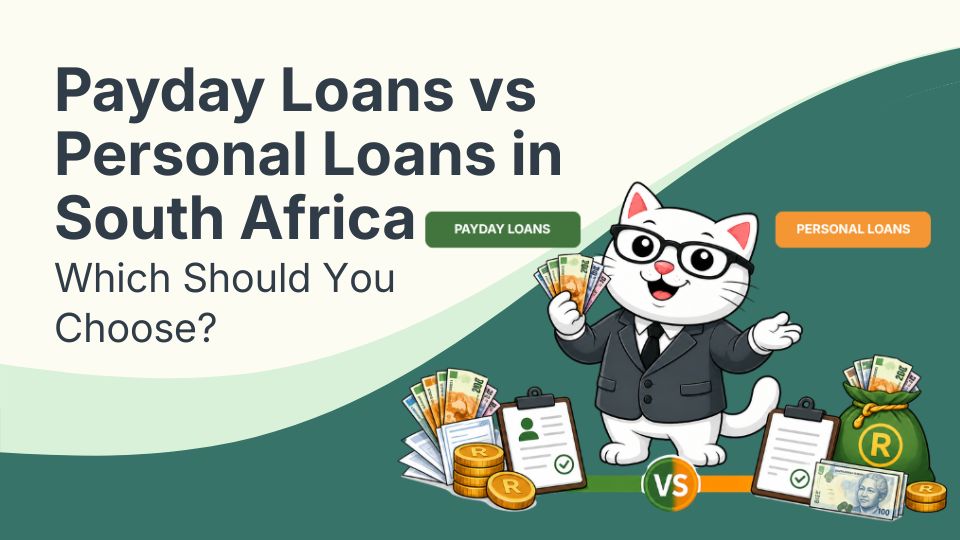
Quick answer: Woolworths loans are typically offered through Woolworths Financial Services and provide structured credit options, but they are best suited for specific use cases and may not be the cheapest option available.

Compare Woolworths loans with other options in South Africa.


Quick Verdict: Is Woolworths Loans Worth It?

Best for: Retail-linked credit and structured borrowing
Not ideal for: Lowest-cost loans or high flexibility

Pros

  • Well-established and trusted brand
  • Structured repayment terms
  • Available through Woolworths Financial Services
  • Suitable for existing Woolworths customers

Cons

  • Limited flexibility compared to online lenders
  • Costs can be higher than bank loans
  • Approval depends on affordability and credit profile
  • Not ideal for large loan amounts

Bottom line: Woolworths loans are reliable and structured, but may not offer the best value compared to other loan options in South Africa.


What Are Woolworths Loans?

Woolworths offers credit through Woolworths Financial Services, which provides a range of financial products including personal loans, store cards, and credit cards.

Unlike basic retail credit, Woolworths loans are more structured and closer to traditional lending products.

Typical features:

  • Personal loans and credit facilities
  • Monthly repayment terms
  • Credit-based approval
  • Fixed repayment schedules

Compared to retailers like Ackermans or PEP, Woolworths typically targets a slightly higher-income customer base.


What It’s Like to Apply for a Woolworths Loan

The application process is straightforward but may be more detailed than basic retail credit.

Typical process:

  1. Apply online or in-store
  2. Submit ID and proof of income
  3. Complete affordability checks
  4. Receive approval decision

Because Woolworths uses formal credit assessments, approval may take slightly longer than simpler retail options.
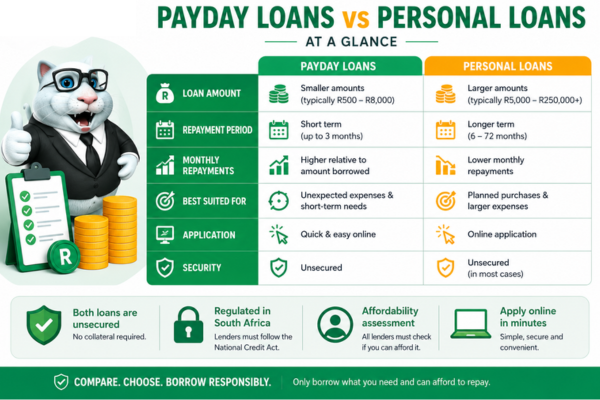

How Woolworths Loans Work

Woolworths loans are typically structured as instalment-based credit.

Key features:

  • Fixed monthly repayments
  • Terms based on affordability
  • Interest rates based on credit profile
  • Regulated lending structure

These loans are more similar to personal loans in South Africa than entry-level retail credit.


Woolworths Loans Fees & Costs

Understanding the cost of Woolworths loans South Africa is important before applying.

  • Interest charges based on your credit profile
  • Monthly service fees
  • Possible initiation fees
  • Credit insurance (where applicable)

Important: Always review your full repayment amount before accepting any loan offer.

Many structured loans in South Africa can result in higher total repayment depending on the term and interest rate applied.


Real Cost Example (Illustration)

  • Loan amount: R15,000
  • Term: 12–24 months
  • Total repayment: ~R20,000+ (varies)

Key takeaway: Longer repayment periods increase total cost.


Example Monthly Repayments

Loan Amount Estimated Fees Total Repayment Monthly Payment
R5,000 R1,200 R6,200 R517 x 12 months
R10,000 R3,500 R13,500 R1,125 x 12 months
R20,000 R9,000 R29,000 R2,417 x 12 months

How Much Should You Borrow?

Just because you qualify for a loan doesn’t mean you should take the maximum.

  • Keep repayments manageable
  • Allow room in your budget
  • Borrow only what you need

Why Many Borrowers Choose Woolworths Loans

  • Trusted brand reputation
  • Structured lending products
  • Suitable for mid-income borrowers
  • Access to financial services in-store and online

For many borrowers, Woolworths offers a more formal credit option compared to entry-level retail lenders.


Risks to Be Aware Of

  • Higher costs than bank loans
  • Strict credit and affordability checks
  • Less flexibility than online lenders
  • Debt risk if misused

Understanding these risks helps ensure responsible borrowing.
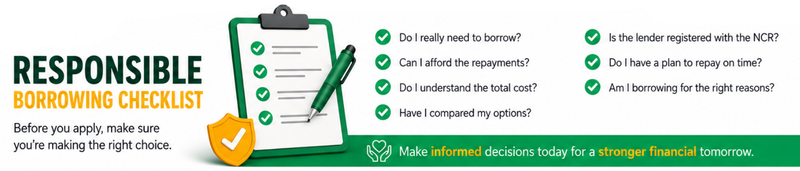

What Happens If You Miss a Payment?

  • Late payment fees
  • Negative credit record impact
  • Possible collection action

It’s important to communicate with your lender early if you’re unable to repay.


Woolworths Loans Requirements

  • South African ID
  • Proof of income
  • Good credit profile
  • Affordability assessment

Is Woolworths Loans Legit & Safe?

Yes — Woolworths Financial Services operates under South Africa’s National Credit Act (NCA), ensuring responsible lending practices.


Woolworths Loans vs Other Lenders

Feature Woolworths Ackermans PEP
Loan size Medium Medium–High Low
Approval Moderate Fast Very easy
Flexibility Medium Medium Low

Key takeaway: Woolworths sits between premium bank loans and basic retail credit.


Better Alternatives to Woolworths Loans

1. Online Lenders

Platforms like FatCat Loans help you compare lenders quickly.

2. Bank Loans

Offer lower interest rates and higher flexibility.

3. Retail Credit

Options like PEP or Ackermans may be easier to access for smaller loans.

If you’re comparing structured personal loans, it’s also worth reviewing options like Capfin loans, which offer instalment-based borrowing with fixed repayments. You can also compare loan options in South Africa to find the most affordable alternative for your situation.

Compare Woolworths loans with other options in South Africa.


Best Use Cases for Woolworths Loans

  • Planned expenses
  • Medium-sized purchases
  • Structured repayment needs

When to Avoid Woolworths Loans

  • You need the lowest rates
  • You don’t meet credit requirements
  • You need maximum flexibility

Woolworths Loans Review South Africa: Final Verdict

Woolworths loans provide structured and reliable credit options, but they are not always the most affordable choice.

Final Rating: 3.8/5

  • Best for: Structured, mid-range borrowing
  • Not ideal for: Cheapest loan options

Final Thoughts

Woolworths loans can be a solid option for borrowers who meet the requirements and want structured repayments.

However, comparing lenders is always the best way to find the right option.

You can compare loan options in South Africa to find the most suitable solution.


Woolworths Loans FAQs

Does Woolworths offer personal loans in South Africa?

Woolworths offers access to credit products through Woolworths Financial Services, including personal loans and other structured borrowing options. These products are generally more formal than basic retail credit and may include fixed monthly repayments.


How much can you borrow from Woolworths?

The amount you can borrow depends on your income, affordability assessment, and credit profile. In general, Woolworths loans are better suited to medium-sized borrowing needs rather than very small retail credit or very large personal loans.


Do you need good credit for Woolworths loans?

Yes, Woolworths loans usually require a stronger credit profile than entry-level retail lenders. Approval is based on affordability, income, and your overall financial history, so borrowers with better credit are more likely to qualify.


How fast is approval for Woolworths loans?

Approval can be relatively quick, but it may take longer than simpler retail credit options because Woolworths uses more formal affordability and credit checks. Timing can vary depending on the application method and how quickly your documents are verified.


Are Woolworths loans safe?

Yes — Woolworths loans are offered through Woolworths Financial Services and are regulated under South Africa’s National Credit Act. This means lenders must follow rules around affordability checks, fee transparency, and responsible lending.


Are Woolworths loans better than PEP or Ackermans loans?

Woolworths loans are generally more structured and may suit borrowers with stronger credit profiles. PEP and Ackermans, on the other hand, may be easier to access for smaller or more accessible retail-linked borrowing needs. The best option depends on your credit profile, loan amount, and repayment ability.


Can you use Woolworths loans for emergencies?

Yes, Woolworths loans can be used for emergency expenses, bills, or planned purchases. However, because costs can add up over time, it’s important to make sure the repayments fit comfortably within your budget before applying.

Ackermans Loans Review South Africa (2026): Fees & Requirements

Thinking about Ackermans loans in South Africa? Learn how they work, what they cost, and whether better alternatives are available before you apply.

Ackermans Loans Review South Africa

Published March 2026

Ackermans is one of South Africa’s most established retail brands — but how do Ackermans loans South Africa actually work, and are they a good option if you need cash?

In this detailed Ackermans loans review South Africa, we break down how Ackermans credit works, who qualifies, the fees involved, and whether there are better alternatives.

Ackermans loans are typically offered through a third-party credit provider, making them more similar to personal loans than basic store credit.

If you’re comparing lenders, you can also read our full PEP loans review South Africa to see how similar retail credit options compare.

If you’re exploring different options, you can also view personal loans in South Africa to compare more flexible alternatives.

Quick answer: Ackermans loans offer accessible borrowing options with higher loan limits than most retail lenders, but costs and approval requirements may be higher than basic store credit.

Explore other personal loan options with FatCat Loans.


Quick Verdict: Is Ackermans Loans Worth It?

Best for: Medium-sized loans with retail accessibility
Not ideal for: Lowest-cost borrowing or highly flexible terms

Pros

  • Higher loan limits than typical retail credit
  • Fast approval process
  • Available in-store across South Africa
  • Structured repayment terms

Cons

  • Requires proof of income
  • Interest and fees can be high
  • Less flexible than some online lenders
  • Approval depends on affordability

Bottom line: Ackermans loans are a step up from basic store credit, but they are still more expensive than many traditional loan options.


What Are Ackermans Loans?

Ackermans offers access to loans through a registered credit provider, typically Capfin, rather than directly issuing loans itself.

This means Ackermans loans are closer to unsecured personal loans than standard retail accounts.

Typical features:

  • Loan amounts from around R1,000 up to R50,000
  • Repayment terms between 6 and 24 months
  • Monthly instalment payments
  • No collateral required

Compared to store-only credit, this makes Ackermans loans more flexible for broader financial needs.

Ackermans Loans vs Capfin: What’s the Difference?

While you apply through Ackermans, the loan is typically provided by Capfin, a registered credit provider. You can read our full Capfin loans review South Africa to understand how the lending process works in more detail.

This means:

  • Ackermans acts as the access point
  • Capfin handles approval and lending
  • Terms and conditions are set by the lender

Understanding this helps clarify who is responsible for your loan agreement.


What It’s Like to Apply for an Ackermans Loan

Applying for an Ackermans loan is designed to be fast and accessible.

Typical process:

  1. Visit an Ackermans store or apply online
  2. Provide ID and proof of income
  3. Submit bank statements or payslips
  4. Receive a decision (often within minutes)

Many borrowers choose Ackermans because of its wide store network and quick approval process.


How Ackermans Loans Work

Ackermans loans are structured as instalment loans rather than payday loans.

Key features:

  • Fixed monthly repayments
  • Longer loan terms than payday loans
  • Loan amounts based on affordability
  • Funds deposited into your bank account

Unlike smaller retail credit products, these loans can be used for broader expenses like bills, emergencies, or school fees.


Ackermans Loans Fees & Costs

Understanding the cost of Ackermans loans South Africa is essential before applying.

Costs may include:

  • Interest (based on your credit profile)
  • Initiation fees
  • Monthly service fees
  • Credit life insurance

Interest rates are personalised based on your risk profile, meaning better credit may result in lower costs.

Important: Always check your total repayment amount before accepting a loan offer.

Many unsecured personal loans in South Africa can carry significantly higher total repayment costs depending on risk profile and term length.


Real Cost Example (Illustration)

  • Loan amount: R10,000
  • Term: 12 months
  • Total repayment: ~R13,000–R15,000 (varies)

Key takeaway: Longer terms reduce monthly payments but increase total cost.


Example Monthly Repayments

Loan Amount Estimated Fees Total Repayment Monthly Payment
R5,000 R1,000 R6,000 R500 x 12 months
R10,000 R3,000 R13,000 R1,083 x 12 months
R20,000 R8,000 R28,000 R2,333 x 12 months

How Much Should You Borrow?

Just because you qualify for a certain loan amount doesn’t mean you should take the maximum.

  • Keep repayments under 30% of your disposable income
  • Allow room for unexpected expenses
  • Avoid borrowing for non-essential purchases

Choosing a smaller loan amount can reduce financial pressure and total interest paid.


Why Many Borrowers Choose Ackermans Loans

Borrowers often choose Ackermans loans because they provide access to mid-sized loans in South Africa with relatively simple requirements.

  • Accessible through physical stores
  • Higher loan amounts than store credit
  • Fast approval process
  • Structured repayment plans

They are especially useful for borrowers who need more than small retail credit but still want accessible lending options.

For many borrowers, this type of loan fills a gap when traditional credit isn’t an option.


Risks to Be Aware Of

  • Higher costs than bank loans
  • Strict affordability checks
  • Potential fees if payments are missed
  • Debt risk if overused

For many borrowers, understanding these risks upfront can help prevent long-term financial strain.


What Happens If You Miss a Payment?

If you miss a repayment on an Ackermans loan, you may face:

  • Late payment fees
  • Negative impact on your credit record
  • Collection activity if payments are missed repeatedly

It’s important to contact your lender early if you’re struggling — many providers may offer alternative arrangements.


Ackermans Loans Requirements

To qualify, you typically need:

  • South African ID
  • Proof of income (payslips or bank statements)
  • Active bank account
  • Stable employment

Approval is based on affordability and your ability to repay the loan.


What Actually Affects Approval for Ackermans Loans?

While basic requirements are simple, approval is based on a deeper affordability assessment.

  • Your monthly income vs expenses
  • Existing debt obligations
  • Your repayment history
  • Bank account activity

Key insight: Even if you meet the basic requirements, approval depends on whether the loan fits within your budget.


Is Ackermans Loans Legit & Safe?

Yes — Ackermans loans are offered through a registered credit provider and must comply with South Africa’s National Credit Act (NCA), which ensures responsible lending practices.

This includes:

  • Affordability assessments
  • Transparent fees
  • Consumer protection regulations

Ackermans Loans vs Other Lenders

Feature Ackermans Loans PEP Loans Bank Loans
Loan Amount Medium–High Low Medium–High
Approval Speed Fast Fast Slower
Credit Requirements Medium Low High
Flexibility Medium Low High

Key takeaway: Ackermans offers higher loan amounts than PEP, but with stricter requirements.


Better Alternatives to Ackermans Loans

1. Online Lenders

Platforms like FatCat Loans allow you to compare multiple lenders and find better options.

2. Bank Loans

Offer lower interest rates and more flexibility.

3. Retail Alternatives

Retail credit options like PEP may offer easier access for smaller loans.

You can also compare loan options in South Africa to find better alternatives.


Best Use Cases for Ackermans Loans

  • Covering short-term financial gaps
  • Paying for school fees or essentials
  • Managing unexpected expenses
  • Consolidating small debts

When Should You Use Ackermans Loans?

  • You need a medium-sized loan
  • You can meet affordability requirements
  • You want structured repayments

When to Avoid Ackermans Loans

  • You need the lowest interest rates
  • You have access to bank loans
  • You are already struggling with debt

When Ackermans Loans May Not Be the Right Choice

  • Funding non-essential purchases
  • Covering ongoing monthly shortfalls
  • Repaying other high-interest debt repeatedly

If you’re unsure whether Ackermans is the right option, you can compare loan options in South Africa to find a better fit.


Ackermans Loans Review South Africa: Final Verdict

Ackermans loans offer more flexibility and higher limits than most retail credit options, making them a useful middle-ground between store credit and traditional loans.

Final Rating: 4/5

  • Best for: Medium loan amounts with fast access
  • Not ideal for: Lowest-cost borrowing

From a financial perspective, instalment loans like those offered through Ackermans should be used carefully and only when repayments are manageable within your budget.


Final Thoughts

Ackermans loans can be a useful option if you need easy access to credit with structured repayments.

However, it’s always worth comparing lenders before applying.

Before applying, take a moment to compare loan options in South Africa to find the most affordable option.

Explore other personal loan options with FatCat Loans.


Ackermans Loans FAQs

Does Ackermans offer personal loans in South Africa?

Ackermans offers access to loans through a third-party credit provider rather than issuing large traditional bank-style loans directly. These loans are generally structured as unsecured instalment loans with fixed monthly repayments.

How much can you borrow from Ackermans?

Loan amounts depend on your income, affordability assessment, and credit profile. In general, Ackermans loans offer higher borrowing limits than basic retail credit, making them more suitable for medium-sized expenses.

Do you need good credit for Ackermans loans?

You do not necessarily need perfect credit, but approval is based on affordability and your overall financial profile. Borrowers with stable income and a reasonable repayment history are more likely to qualify.

How fast is approval for Ackermans loans?

Approval is usually quick, often within minutes once your documents and affordability checks have been completed. Funding speed may vary depending on the lender and verification process.

Are Ackermans loans safe?

Yes — Ackermans loans are offered through a registered credit provider and are regulated under South Africa’s National Credit Act. This means lenders must follow rules around affordability checks, transparency, and responsible lending.

Are Ackermans loans better than PEP loans?

Ackermans loans generally offer higher loan amounts and more structured repayment terms than PEP loans. However, PEP loans may be easier to access for smaller borrowing needs. The better option depends on how much you need and what you can comfortably afford to repay.

Can you use Ackermans loans for emergencies?

Yes, Ackermans loans can be used for emergency expenses, school fees, bills, or other short-term financial needs. However, it’s important to make sure the monthly repayments fit your budget before applying.

PEP Loans Review South Africa (2026): Fees & Requirements

Looking at PEP loans in South Africa? Learn how they work, the real costs, and whether better alternatives are available.

PEP Loans Review South Africa

Published March 2026

PEP is one of the most widely recognized retailers in South Africa — but how do PEP loans South Africa actually work, and are they a good option if you need cash?

In this detailed PEP loans review South Africa, we break down how PEP credit works, who qualifies, the fees involved, and whether there are better alternatives. If you’re exploring different options, you can also view personal loans in South Africa to compare more flexible alternatives.

If you’re comparing options, you can also use our tool to compare loans in South Africa and find lower-cost alternatives.

Quick answer: PEP loans in South Africa offer small, accessible credit with fast approval, but fees and limited flexibility make them less suitable for long-term borrowing.

Explore other personal loan options with FatCat Loans.


Quick Verdict: Is PEP Loans Worth It?

Best for: Small, short-term credit for essential purchases
Not ideal for: Large loans or long-term financial needs

Pros

  • Trusted national brand
  • Easy access through retail stores
  • Designed for lower-income borrowers
  • Simple application process

Cons

  • Limited loan amounts
  • Not as flexible as personal loans
  • Can be expensive depending on terms
  • Primarily focused on retail credit

Bottom line:
PEP loans can be useful for small, short-term needs, but they’re not the most flexible or cost-effective borrowing option available.

PEP Loans Pros and Cons

Pros Cons
Easy to access Small loan amounts
Fast approval Higher effective costs
Available in-store Limited flexibility
Good for bad credit Not ideal for long-term use

What Are PEP Loans?

PEP doesn’t offer traditional large personal loans like banks. Instead, it provides retail credit and small loan products designed to help customers purchase essential items.

These typically include:

  • Store credit accounts
  • Small personal loans (through partners or internal products)
  • Short-term repayment options

Because of this structure, PEP loans are often used for:

  • Clothing and essentials
  • Household items
  • Emergency small expenses

Compared to traditional personal loans in South Africa, PEP credit is designed for smaller, short-term borrowing needs.

In many cases, loans offered through retail stores like PEP are powered by third-party lenders such as Capfin loans South Africa, which handle approval, pricing, and repayments.


What It’s Like to Apply for a PEP Loan

Applying for PEP credit is designed to be simple and accessible.

Typical process:

  1. Visit a PEP store or apply through available channels
  2. Provide ID and proof of income
  3. Complete a short application
  4. Receive a decision (often quickly)

Many borrowers choose PEP because of:

  • Accessibility
  • Minimal paperwork
  • Fast approvals

This makes it appealing for borrowers who may not qualify for traditional bank loans.


How PEP Loans Work

PEP credit products are structured differently from standard personal loans.

Key features:

  • Smaller loan amounts
  • Shorter repayment terms
  • Payments often structured weekly or monthly
  • Linked to retail purchases or small cash needs

Unlike payday loans, repayment may be slightly more structured — but costs can still be significant depending on the agreement.

Unlike traditional personal loans in South Africa, PEP credit is designed for smaller, short-term borrowing needs.


PEP Loans Fees & Costs

Understanding the cost of PEP loans in South Africa is essential before applying. Like most credit products, PEP may charge interest, service fees, and initiation fees depending on the agreement.

PEP loans and credit accounts may include:

  • Interest charges
  • Service fees
  • Initiation fees

While rates vary, smaller loans with shorter terms often result in higher effective borrowing costs.

Important: Always review:

  • Total repayment amount
  • Monthly instalment
  • Any additional fees

Real Cost Example (Illustration)

Let’s look at a simplified example:

  • Loan amount: R1,000
  • Fees + interest: ~R200–R300 (varies)
  • Total repayment: ~R1,200–R1,300

Even small loans can become expensive depending on repayment terms.

Key takeaway: The shorter the loan term, the higher the effective cost.


Example Monthly Repayments

Here’s an example of how repayments may look based on a small loan:

Loan Amount Estimated Fees Total Repayment Monthly Payment
R500 R100 R600 R150 x 4 months
R1,000 R200 R1,200 R300 x 4 months
R2,000 R400 R2,400 R600 x 4 months

Why Many Borrowers Choose PEP Loans

PEP loans are often used by borrowers looking for loans for low income earners in South Africa, especially when access to traditional banking products is limited.

Common reasons:

  • Limited access to traditional credit
  • Need for small, quick loans
  • Convenience of in-store applications
  • Trusted retail brand

Many borrowers choose PEP because of its accessibility and fast approval process, especially if they are looking for same-day loans in South Africa or loans for bad credit in South Africa.

For many borrowers, this type of credit isn’t a first choice — it’s often the only option available at the time.


Risks to Be Aware Of

Like any form of credit, there are risks.

Key risks:

  • Higher costs compared to bank loans
  • Limited flexibility
  • Risk of repeat borrowing
  • Budget strain from repayments

While PEP loans are helpful, they should be used carefully and only when necessary.

For many borrowers, understanding these risks upfront can help prevent long-term financial strain.


PEP Loans Requirements

PEP aims to make credit accessible, so requirements are generally straightforward.

You’ll typically need:

  • South African ID
  • Proof of income
  • Active contact details

Approval is often based on:

  • Income
  • Affordability assessment

This makes PEP loans accessible for borrowers with limited credit history.


Is PEP Loans Legit & Safe?

Yes — PEP is a legitimate and established South African retailer.

Credit offerings must comply with the National Credit Act (NCA), which regulates lending practices in South Africa.

This includes:

  • Affordability checks
  • Fee transparency
  • Consumer protections

While PEP loans are safe and regulated, affordability should always be carefully considered.


PEP Loans vs Other Lenders

Feature PEP Loans MyLoan Bank Loans
Loan size Small Medium Medium–Large
Approval speed Fast Fast Slower
Credit requirements Low Medium Higher
Flexibility Low Medium High
Best for Small purchases Online loans Larger needs

Key difference:
PEP is designed for small, accessible credit, not full-scale personal loans.


PEP Loans vs Other Loan Options in South Africa

Here’s a quick comparison of how PEP loans stack up against other borrowing options:

Feature PEP Loans Online Lenders Bank Loans
Loan Amount Small Medium Medium to Large
Approval Speed Fast Very Fast Slower
Credit Requirements Low Medium High
Repayment Flexibility Low Medium High
Best For Small purchases Quick cash Larger loans

Key takeaway: PEP loans are easier to access than most options, but they offer less flexibility and higher overall borrowing costs compared to banks and online lenders.


PEP Loans vs Payday Loans

While PEP loans and payday loans may seem similar, there are key differences.

  • PEP loans are often tied to retail credit
  • Payday loans are typically short-term cash loans
  • Payday loans usually require full repayment on your next payday
  • PEP loans may offer slightly more structured repayment

Both options can be expensive, so it’s important to compare carefully before borrowing.


Better Alternatives to PEP Loans

Before applying, it’s worth exploring other options.

1. Online Lenders (More Flexible)

Online platforms like FatCat Loans allow you to compare multiple lenders in one place, helping you find more flexible and affordable loan options.

  • Larger loan amounts
  • More flexible repayment terms
  • Fully online applications

2. Bank Loans (Lower Cost)

Banks such as:

  • Nedbank
  • FNB
  • Standard Bank

Typically offer:

  • Lower interest rates
  • Longer repayment terms

However, they require stronger credit profiles.


3. Retail Alternatives

Other retailers offering credit include:

  • Ackermans
  • Woolworths

These can be similar to PEP but may offer different terms or benefits.

You can also compare loan options in South Africa to find more flexible and affordable alternatives.


When Should You Use PEP Loans?

PEP loans may make sense if:

  • You need a small amount quickly
  • You don’t qualify for bank loans
  • You’re buying essential items

When to Avoid PEP Loans

Avoid using PEP credit if:

  • You need a large loan
  • You want long-term repayment flexibility
  • You’re already struggling financially

In these cases, alternatives may be more suitable.


Expert Tips Before Applying

1. Borrow only what you need

Keep your loan as small as possible.

2. Understand total cost

Don’t focus only on monthly payments.

3. Compare options

Look at other lenders before deciding.

You can use tools like compare loans in South Africa to quickly find better alternatives.

4. Plan repayment

Make sure repayments fit your budget.


Is PEP Loans a Good Idea for You?

PEP loans can be helpful for short-term needs — but they’re not ideal for long-term financial solutions.

Good fit if:

  • You need small, quick credit
  • You have limited access to other options

Not a good fit if:

  • You want low-cost borrowing
  • You need flexibility

Is PEP Loans worth it?

PEP loans may be worth it for small, short-term borrowing needs, especially if you need fast access to credit. However, they are not the most cost-effective option compared to other personal loans in South Africa.


Who Should Not Use PEP Loans?

While PEP loans can be helpful in some situations, they are not suitable for everyone.

  • If you need a large loan amount
  • If you are looking for the lowest possible interest rates
  • If you need long-term repayment flexibility
  • If you are already struggling with debt

In these cases, alternatives like bank loans or installment loans may be more appropriate.

From a financial perspective, short-term credit products like PEP loans are best used for immediate needs rather than long-term borrowing.


PEP Loans Review South Africa: Final Verdict

PEP loans provide accessible credit for everyday needs, especially for borrowers who may not qualify elsewhere.

However, the trade-off is higher costs and limited flexibility.

Final Rating: 3.5/5

Use PEP if:

  • You need quick, small credit
  • You value convenience

Avoid if:

  • You need larger or lower-cost loans

Final Thoughts

PEP loans serve an important role in South Africa’s credit market — providing access where traditional lenders may not.

But like any credit product, they should be used carefully and strategically.

Before applying, take a moment to compare loan options in South Africa to make sure you’re choosing the most affordable option available.

If you’re ready to explore better options, you can compare lenders and find the right fit for your situation.

Explore other personal loan options with FatCat Loans.


PEP Loans FAQs

Does PEP offer personal loans?

PEP does not typically offer large traditional personal loans like banks. Instead, PEP provides retail credit and small loan products designed for everyday purchases and short-term financial needs.

These products are usually lower in value and structured for shorter repayment periods.


How much can you borrow from PEP?

Loan amounts from PEP are generally small and depend on your income, affordability assessment, and credit profile.

Because PEP focuses on accessible credit, borrowing limits are typically lower than standard personal loans in South Africa, making them more suitable for short-term needs rather than large expenses.


Do you need good credit for PEP loans?

No — PEP loans are designed to be accessible, even for borrowers with limited or poor credit history.

Approval is usually based on your income and affordability rather than a strict credit score, which makes PEP a common option for people looking for loans for bad credit in South Africa.


How fast is approval for PEP loans?

Approval is typically fast, often within minutes or the same day, especially when applying in-store.

This makes PEP a popular choice for borrowers who need same-day loans in South Africa or quick access to small amounts of credit.


Are PEP loans safe?

Yes — PEP loans are regulated under South Africa’s National Credit Act (NCA), which ensures lenders follow rules around affordability checks, transparency, and responsible lending.

However, while PEP loans are safe and legitimate, it’s important to review the full cost of borrowing and ensure repayments fit within your budget.


Are PEP loans better than bank loans?

PEP loans are generally easier to access than bank loans, especially for borrowers with lower income or limited credit history.

However, bank loans often offer:

  • Lower interest rates
  • Larger loan amounts
  • More flexible repayment terms

PEP loans are best suited for small, short-term needs, while bank loans are usually better for larger or long-term borrowing.

Boodle Loans Review South Africa

A complete 2026 review of Boodle loans in South Africa, including interest rates, fees, requirements, risks and better alternatives.

Boodle Loans Review South Africa (2026)

Published March 2026

This review is based on publicly available lender information, regulatory guidance and independent analysis of short-term loan options in South Africa.

If you’re considering Boodle loans in South Africa, it’s important to understand exactly how this lender works before applying. Boodle is one of South Africa’s most well-known short-term online lenders, offering fast, small personal loans designed to help cover urgent expenses between paydays.

But is Boodle a good lender — or an expensive short-term solution you should approach carefully?

In this comprehensive review, we cover everything you need to know about Boodle loans, including:

  • interest rates and fees
  • loan requirements
  • application process
  • advantages and drawbacks
  • real repayment examples
  • safer alternatives

Quick Verdict: Is Boodle a Good Lender?

Boodle is a legitimate and regulated short-term lender in South Africa that provides fast access to small, unsecured loans.

It may be a suitable option for borrowers who:

  • Need emergency cash quickly
  • Have limited access to bank credit
  • Can repay the loan within a short period

Loan amounts typically range from R500 to R8,000, with repayment terms between a few days and up to 6 months.

However, Boodle loans are high-cost short-term loans, and the total cost of borrowing can rise quickly once interest, initiation fees and service fees are included.

This means they should only be used for short-term needs — not long-term borrowing.

Overall Rating: ★★★★☆ (4/5)
Best for: Emergency short-term loans

What Is Boodle?

Boodle (Pty) Ltd is a South African online lender that provides short-term personal loans through a fully digital platform.

Founded in 2010 and registered with the National Credit Regulator (NCR), Boodle operates under the National Credit Act, which requires:

  • affordability checks
  • transparent fees
  • responsible lending practices

Boodle specialises in microloans (payday-style loans) designed to cover:

  • emergency expenses
  • unexpected bills
  • short-term cash flow gaps

Unlike traditional banks, Boodle focuses on speed and accessibility, with approvals often completed within minutes.

Explore other loan options with FatCat Loans.

Is Boodle a Legitimate Lender?

Yes — Boodle is a registered credit provider in South Africa and operates legally under NCR regulations.

This means:

  • your loan is protected by the National Credit Act
  • lenders must assess affordability
  • fees and interest must be disclosed

However, regulation does not mean loans are cheap — it only ensures they follow legal guidelines.

Is Boodle Safe to Use?

Boodle is considered a safe and regulated lender in South Africa, provided borrowers use it responsibly.

As a registered NCR lender, Boodle must:

  • conduct affordability checks
  • disclose all fees and costs
  • comply with the National Credit Act

However, safety also depends on how the loan is used.

Short-term loans should only be used when:

  • you can repay the full amount on time
  • the loan is for a genuine short-term need
  • you have reviewed all costs in advance

The biggest risk is not the lender — it’s borrowing more than you can afford to repay.

How Boodle Loans Work

Boodle loans are unsecured personal loans, meaning:

  • no collateral is required
  • approval is based on income and affordability

The entire process is online:

  1. Choose loan amount and term
  2. Complete application
  3. Receive approval (often within minutes)
  4. Funds paid into your bank account

Many applications are processed in under 10 minutes, making Boodle one of the fastest lenders in South Africa.

Boodle Loan Amounts, Terms and Interest Rates

Boodle is designed for small, short-term borrowing, not large personal loans.

Typical Loan Features

Feature Details
Loan Amount R500 – R8,000
Repayment Term 2 days – 6 months
Loan Type Unsecured
Collateral Not required

Interest Rates

Boodle charges:

  • up to 0.17% per day (~60% APR)
  • within National Credit Act limits

This is significantly higher than traditional banks, which is typical for short-term lenders.

Boodle Loan Fees Explained

Understanding fees is critical before borrowing.

Common Fees

  • Initiation Fee: R165 + 10% of loan amount
  • Monthly Service Fee: ±R60
  • Interest Charges: Based on risk profile
  • Late Payment Fees: Additional penalties apply

These fees can significantly increase the total cost of borrowing.

Hidden Costs of Boodle Loans (What Most Borrowers Miss)

Many borrowers focus only on the loan amount and monthly payment, but the true cost of borrowing includes several additional factors.

When using short-term lenders like Boodle, watch for:

Daily Interest Accumulation

Interest is often calculated daily, meaning costs increase quickly if repayment is delayed.

Service Fees

Monthly service fees may seem small but add up over time.

Late Payment Penalties

Missing a payment can trigger additional charges and increase total debt.

Credit Life Insurance (Where Applicable)

Some loans may include optional or required insurance, increasing overall repayment.

Even a small loan can become significantly more expensive if not repaid on time.

Example Boodle Loan Repayment

Loan Amount Term Estimated Total Repayment
R4,000 32 days ~R4,842

This shows how short-term loans can become expensive quickly.

Real Cost Comparison: Boodle vs Other Loan Types

Understanding the true cost of borrowing is essential before choosing a lender. The example below compares how much a R3,000 loan could cost across different loan types.

Loan Type Term Estimated Total Repayment
Boodle (Short-Term) 30 days ~R3,600
Wonga (Short-Term) 30 days ~R3,550
Capfin (Installment Loan) 6 months ~R3,900
Bank Personal Loan 12 months ~R3,500

While short-term loans appear more expensive upfront, longer-term loans may cost more over time depending on interest and fees.

This highlights why borrowers should always compare:

  • total repayment amount
  • loan duration
  • affordability

Boodle Loan Requirements

To qualify, applicants typically must:

  • be 18+ years old
  • be a South African citizen
  • have a valid ID
  • have a regular income
  • have a bank account

Lenders also perform:

  • credit checks
  • affordability assessments

How Easy Is It to Get Approved by Boodle?

Boodle is generally considered easier to qualify for than traditional bank loans.

This is because:

  • smaller loan amounts reduce lender risk
  • approval is based heavily on income, not just credit score
  • the process is automated and fast

However, approval is not guaranteed.

Lenders still assess:

  • affordability
  • existing debt
  • repayment history

While Boodle is more accessible, borrowers with strong credit may qualify for better rates elsewhere.

How to Apply for a Boodle Loan

The process is simple and fully online:

  1. Select loan amount
  2. Complete application
  3. Submit documents
  4. Receive approval
  5. Accept loan offer
  6. Get funds

Funds are often paid out same day.

Advantages of Boodle Loans

Fast Approval

Many applications are processed in minutes.

Easy Online Application

No paperwork or branch visits required.

Accessible Credit

Available to borrowers who may not qualify for bank loans.

Flexible Repayment

Terms up to 6 months.

Potential Drawbacks of Boodle Loans

High Interest Rates

Short-term loans can be expensive.

Small Loan Limits

Maximum R8,000 may not suit larger needs.

Short Repayment Periods

Can create financial pressure.

Fees Add Up

Service and initiation fees increase total cost.

Who Should Consider a Boodle Loan?

Boodle may be suitable if you:

  • need urgent cash
  • can repay quickly
  • don’t qualify for bank loans

Who Should Avoid Boodle Loans?

You should reconsider if:

  • you need long-term financing
  • you already have high debt
  • you can qualify for cheaper loans

In these cases, consider exploring personal loan options or structured lending alternatives.

Boodle vs Traditional Bank Loans

Feature Boodle Banks
Speed Very fast Slower
Loan Size Small Larger
Interest Rates High Lower
Requirements Flexible Strict

Boodle vs Wonga vs Capfin vs Bayport: Which Is Better?

If you’re comparing lenders, it’s worth reviewing each option in detail. You can explore our in-depth reviews of Wonga, Capfin and Bayport to better understand how they differ in terms of cost, approval criteria and repayment flexibility.

Feature Boodle Wonga Capfin Bayport
Loan Type Short-term Short-term Personal loan Personal loan
Loan Amount R500 – R8,000 R500 – R8,000 Up to R50,000 Up to R250,000
Repayment Term 2 days – 6 months 1 – 6 months 6 – 24 months Up to 84 months
Approval Speed Minutes Minutes 4–24 hours Slower
Interest Rates High (short-term) High (short-term) Moderate Varies (often lower than short-term lenders)
Monthly Fees ±R60 Included ±R69 Yes
Best For Emergency cash Fast short-term loans Larger structured loans Large long-term loans

Key Differences Explained

1. Loan Size and Flexibility

Boodle and Wonga focus on small, short-term loans, typically under R8,000.

Capfin offers significantly larger loans (up to R50,000), while Bayport provides even larger personal loans up to R250,000 with long repayment terms.

This means:

  • Boodle = short-term emergencies
  • Capfin = medium-term borrowing
  • Bayport = long-term financing

2. Repayment Terms

  • Boodle: very short (days to months)
  • Wonga: short-term (up to 6 months)
  • Capfin: medium-term (6–24 months)
  • Bayport: long-term (up to 84 months)

Longer terms usually reduce monthly payments — but increase total interest paid over time.

3. Cost of Borrowing

Short-term lenders like Boodle and Wonga:

  • charge higher effective interest rates
  • are designed for quick repayment
  • become expensive if used long-term

Capfin and Bayport:

  • may offer lower annual interest rates
  • spread repayments over longer periods
  • are often cheaper for larger loans

This is why comparing lenders is essential before applying.

4. Speed vs Cost Trade-Off

  • Boodle & Wonga → fastest approvals (minutes)
  • Capfin → moderate speed
  • Bayport → slower but structured loans

Faster loans usually come with higher costs.

Which Lender Should You Choose?

Choose Boodle if:

  • you need cash urgently (same day)
  • you need a small loan
  • you can repay quickly

Choose Wonga if:

  • you want a similar short-term loan
  • you prefer transparent pricing upfront

Choose Capfin if:

  • you need larger loan amounts
  • you want fixed monthly repayments

Choose Bayport if:

  • you need long-term financing
  • you have stable employment
  • you want structured repayment over years

Important: Always Compare Before You Apply

Loan costs can vary significantly between lenders — even for the same loan amount.

For example, borrowing R5,000:

  • from a short-term lender may cost more upfront
  • from a long-term lender may cost more over time

The best option depends on your repayment ability and loan purpose.

Before choosing any lender, it’s strongly recommended to:

→ compare interest rates
→ check total repayment costs
→ review loan terms carefully

You can compare multiple loan options here to find a lender that best fits your financial situation.

Safer Alternatives to Boodle Loans

Before choosing Boodle, compare:

Traditional Banks

Lower rates but stricter approval.

Online Lenders

Fast approvals with varying rates.

Comparison Platforms

Use loan comparison tools to find better deals.

Responsible Borrowing Tips

  • Only borrow what you need
  • compare multiple lenders
  • understand full repayment cost
  • ensure affordability

Expert Tip: When to Use (and Avoid) Boodle Loans

From a financial perspective, short-term lenders like Boodle should be used carefully.

When It Makes Sense:

  • covering urgent, unexpected expenses
  • short-term cash flow gaps
  • situations where repayment is guaranteed within weeks

When to Avoid:

  • ongoing financial problems
  • long-term borrowing needs
  • consolidating large debts

If you need more structured borrowing, you may be better off exploring debt consolidation loans or longer-term options.

When Boodle May Be the Better Option

Despite higher costs, Boodle may be the better choice in certain situations:

  • you need same-day funding
  • you cannot access bank loans
  • you need a small, short-term loan only

The key is using it correctly — as a short-term solution, not long-term debt.

Best Alternatives to Boodle Loans (Compared)

While Boodle offers fast short-term loans, it may not always be the most cost-effective option. Depending on your financial needs, there are several alternative lenders in South Africa that may offer better rates, larger loan amounts or more flexible repayment terms.

Below are some of the most popular alternatives to Boodle.

1. Wonga South Africa

Wonga is one of the closest alternatives to Boodle, offering similar short-term loans with a fast online application process.

Key Features:

  • Loan amounts: R500 – R8,000
  • Repayment terms: 1 – 6 months
  • Fast approvals (often within minutes)

Pros:

  • Simple online application
  • Transparent loan pricing
  • Quick payout times

Cons:

  • High interest rates similar to Boodle
  • Best suited for short-term borrowing only

Wonga is a strong alternative if you want a similar short-term loan but prefer comparing pricing structures. You can read our full Wonga loans review to compare costs, fees and approval requirements in detail.

2. Capfin

Capfin offers larger personal loans with longer repayment terms, making it a better option for structured borrowing.

Key Features:

  • Loan amounts: Up to R50,000
  • Repayment terms: 6 – 24 months
  • Available in-store (PEP, Ackermans) and online

Pros:

  • Larger loan amounts
  • Fixed monthly repayments
  • More manageable repayment structure

Cons:

  • Slower approval than Boodle
  • Stricter affordability checks

Capfin is ideal if you need more than a short-term loan and want predictable monthly repayments. For a full breakdown of costs, requirements and repayment terms, read our Capfin loans review.

3. Bayport Financial Services

Bayport provides larger, long-term personal loans designed for salaried employees.

Key Features:

  • Loan amounts: Up to R250,000
  • Repayment terms: Up to 84 months

Pros:

  • Large loan amounts
  • Longer repayment periods
  • Suitable for major expenses

Cons:

  • Slower application process
  • Requires stable employment
  • Total repayment cost can be high over time

Bayport is better suited for long-term borrowing rather than short-term emergencies. For a detailed breakdown of rates, fees and eligibility, see our Bayport loans review.

4. Traditional Banks (FNB, Absa, Standard Bank)

Banks offer some of the lowest interest rates available — but only for borrowers with strong credit profiles.

Pros:

  • Lower interest rates
  • Higher borrowing limits
  • Strong consumer protections

Cons:

  • Strict approval requirements
  • Slower processing times

If you qualify, bank loans are usually the cheapest option.

5. Loan Comparison Platforms

Instead of applying to a single lender, many borrowers now compare multiple options first.

Using a comparison platform allows you to:

  • see multiple loan offers
  • compare rates and fees
  • choose the best option for your situation

You can compare lenders here to find a loan that better fits your needs.

How to Choose the Right Alternative

The best alternative depends on your situation:

Choose Boodle if:

  • you need cash immediately
  • you can repay within weeks

Choose Wonga if:

  • you want a similar short-term option
  • you prefer comparing fee structures

Choose Capfin if:

  • you need a larger loan
  • you want fixed monthly repayments

Choose Bayport if:

  • you need long-term financing
  • you have stable employment

Choose a Bank if:

  • you have good credit
  • you want the lowest possible interest rate

Important Reminder

No matter which lender you choose:

  • always compare multiple offers
  • understand the total repayment cost
  • ensure the loan is affordable

Short-term loans like Boodle can be useful — but only when used responsibly.

Does Boodle Affect Your Credit Score?

Yes — taking a loan with Boodle can impact your credit profile.

Positive Impact:

  • on-time repayments may improve your credit history

Negative Impact:

  • missed payments can lower your credit score
  • defaults may stay on your credit record

Responsible borrowing is key to maintaining a healthy credit profile.

Final Verdict: Is Boodle Worth It?

Boodle is a fast and accessible lender, ideal for short-term financial emergencies.

However, due to high costs, it should only be used when:

  • repayment is certain
  • no cheaper options are available

Borrowers should always compare alternatives before applying.

Explore alternatives to Boodle loans with FatCat Loans.

People Also Ask About Boodle Loans

Is Boodle a payday loan?

Boodle is considered a short-term or payday-style lender, offering small loans designed to be repaid over a short period. While repayment terms can extend up to a few months, the loans are typically used for short-term financial needs.

What is the maximum interest rate for Boodle loans?

Interest rates for Boodle loans are regulated under the National Credit Act. However, short-term loans can still be expensive, with high effective annual rates due to fees and short repayment periods. Always review the total repayment amount before accepting a loan.

Can I get a Boodle loan with bad credit?

Yes, Boodle may approve borrowers with less-than-perfect credit, as approval is based on affordability and income as well as credit history. However, approval is not guaranteed, and interest rates may be higher.

Does Boodle require payslips?

In many cases, Boodle uses automated bank verification, but some applicants may still be asked to provide proof of income such as payslips or bank statements depending on the application.

Is Boodle better than Wonga?

Both Boodle and Wonga offer short-term loans with similar structures. The better option depends on factors such as fees, repayment terms and approval criteria. Comparing lenders before applying is always recommended.

Frequently Asked Questions

Is Boodle registered in South Africa?

Yes. Boodle is a registered credit provider with the National Credit Regulator (NCR) in South Africa. This means the lender must comply with the National Credit Act, including conducting affordability assessments, disclosing all fees and interest charges, and following responsible lending practices designed to protect consumers.

How much can I borrow from Boodle?

Boodle loans typically range from around R500 to R8,000, depending on your income, affordability assessment and credit profile. First-time borrowers may qualify for smaller amounts, while returning customers with a good repayment history may be eligible for higher loan limits.

How fast are Boodle loans paid out?

Boodle is known for fast approvals, with many applications processed within minutes. Once approved and the loan agreement is signed, funds are often paid into your bank account on the same day, although exact timing may depend on your bank and verification requirements.

Does Boodle check your credit record?

Yes. Boodle performs both credit checks and affordability assessments as required by South African lending regulations. While approval is not based solely on your credit score, your credit history, income and existing financial obligations all play a role in the decision.

Are Boodle loans safe to use?

Boodle loans are generally safe to use as the company is regulated by the National Credit Regulator. However, like all short-term loans, they can be expensive if not managed carefully. Borrowers should ensure they understand the full cost of the loan and only borrow what they can afford to repay.

Can I repay a Boodle loan early?

Yes. South African lending regulations allow borrowers to settle loans early. Early repayment may reduce the total interest paid, but it’s important to check your loan agreement for any applicable terms or settlement calculations.

What happens if I miss a Boodle payment?

Missing a payment may result in additional fees and could negatively impact your credit score. Continued non-payment may lead to collection activity. It’s important to contact the lender as soon as possible if you’re struggling to make a repayment.

This article is for informational purposes only and should not be considered financial advice. Always review the lender’s latest terms and ensure any loan is affordable before applying.

Bayport Loans Review South Africa: Rates, Requirements & Pros (2026)

Looking for a Bayport loan in South Africa? Our expert review explains interest rates, fees, requirements, and whether Bayport is the right lender for you.

Bayport Loans Review South Africa

Updated April 2026

If you’re considering a Bayport loan in South Africa, it’s important to understand how the lender works before applying.

Bayport Financial Services is one of the country’s largest non-bank lenders. It offers unsecured personal loans designed primarily for salaried employees.

But is Bayport the right lender for you?

In this review, we cover everything you need to know about Bayport loans, including interest rates, requirements, fees, advantages, potential drawbacks, and safer borrowing alternatives.

This guide is designed to help South African borrowers make informed financial decisions—especially when taking on any form of debt.

This review is based on publicly available lender information, regulatory guidance, and independent research into South African personal loan providers.

Quick Verdict: Is Bayport a Good Lender?

Bayport Financial Services is a well-known non-bank lender in South Africa that provides unsecured personal loans primarily to salaried employees. The lender is registered with the National Credit Regulator (NCR) and operates under the National Credit Act, which helps protect borrowers through affordability checks and transparent loan terms.

Bayport may be a suitable option for borrowers who need accessible personal loans and have stable employment, particularly if they do not qualify for traditional bank financing. Loan amounts can reach up to R250,000, with repayment terms of up to 84 months.

However, because Bayport is a non-bank lender, interest rates and fees may be higher than those offered by traditional banks, especially for borrowers with strong credit profiles.

Before applying, it is recommended that borrowers compare multiple lenders, review the full repayment cost, and ensure the loan fits comfortably within their monthly budget.

Overall Rating: ★★★★☆ (4/5)

Best for:

  • Salaried borrowers
  • Applicants with stable employment
  • Borrowers seeking unsecured personal loans

What Is Bayport Financial Services?

Bayport Financial Services is a global financial services company founded in 2004, with a strong presence across South Africa and several emerging markets.

The company focuses primarily on unsecured lending, offering credit solutions to individuals who may not qualify for traditional bank loans.

Bayport’s lending model typically targets:

  • Salaried employees
  • Government workers
  • Teachers and healthcare professionals
  • Workers with stable employment but limited credit history

Unlike traditional banks, Bayport often provides loans through payroll-based repayment structures, where loan payments may be deducted directly from the borrower’s salary.

This model can make loan approvals easier for some borrowers but also requires careful financial planning.

Explore other personal loan options with FatCat Loans in South Africa.

Is Bayport a Legitimate Lender?

Yes, Bayport Financial Services is a legitimate and regulated credit provider in South Africa.

The company is registered with the National Credit Regulator (NCR) and must comply with the National Credit Act (NCA).

This regulation ensures lenders must:

  • Conduct affordability assessments
  • Provide transparent loan agreements
  • Disclose all fees and interest charges
  • Avoid reckless lending practices

Borrowers are legally protected under South African consumer credit laws, which help ensure fair treatment when applying for personal loans.

Before applying with any lender, it’s always advisable to verify their NCR registration to avoid scams or illegal lending operations.

What Types of Loans Does Bayport Offer?

Bayport primarily provides unsecured personal loans, meaning you do not need to provide collateral such as a vehicle or property.

These loans are commonly used for:

  • Debt consolidation
  • Home improvements
  • Medical expenses
  • Education costs
  • Emergency financial needs

Because these loans are unsecured, lenders rely heavily on a borrower’s income stability and affordability rather than assets.

Many borrowers use personal loans for debt consolidation, which involves combining multiple debts into a single monthly repayment.

Bayport Loan Amounts, Terms and Interest Rates

Bayport loan terms vary depending on your financial profile, employment stability and credit history.

Typical loan details include:

Loan Feature Details
Minimum Loan Approximately R1,000
Maximum Loan Up to R250,000
Repayment Terms 6 – 84 months
Loan Type Unsecured personal loan
Collateral Not required

Interest rates depend on credit risk and are regulated by the National Credit Act.

In general, borrowers may see:

  • Interest rates from roughly 11% to 28%
  • Annual percentage rates (APR) potentially reaching 30%+ depending on fees

Borrowers with stronger credit profiles or higher income may receive better loan terms.

Interest rates for personal loans in South Africa vary depending on credit risk, loan size and repayment term, so borrowers should always compare several lenders before applying.

Your credit profile plays an important role in determining the interest rate and loan amount you may qualify for.

The loan term refers to the length of time you have to repay the loan, which can affect both your monthly payment and total interest costs.

Bayport Loan Fees Explained

In addition to interest charges, borrowers should understand the additional costs associated with personal loans.

Common Bayport fees include:

Initiation Fee

A once-off loan initiation fee may be charged when the loan is approved. This fee can be up to approximately R1,200, depending on the loan size.

Monthly Service Fee

South African lenders may charge a monthly service fee, typically around R60–R69 per month.

Credit Life Insurance

Many lenders require credit life insurance, which protects the loan in case of death, disability or job loss.

While useful in some situations, this insurance also increases the total loan cost.

Late Payment Fees

Missing repayments may result in penalty charges and could negatively impact your credit score.

Understanding the total cost of borrowing, not just the interest rate, is essential when evaluating loan offers.

Borrowers should always consider the total cost of borrowing, including interest, fees and insurance charges.

Bayport Loan Requirements

To qualify for a Bayport personal loan, applicants typically must meet several basic criteria.

Basic Eligibility Requirements

Applicants usually must:

  • Be 18 years or older
  • Be a South African citizen
  • Have a valid South African ID
  • Be permanently employed
  • Earn a regular monthly income
  • Have an active bank account

Required Documents

Borrowers typically need to provide:

  • 3 months of payslips
  • 3 months of bank statements
  • Proof of residence
  • Valid identification

The lender will also conduct a credit check and affordability assessment before approving the loan.

These checks are required under the National Credit Act to prevent borrowers from taking on debt they cannot afford.

South African lenders are legally required to conduct an affordability assessment to ensure borrowers can reasonably repay the loan.

Lenders review your credit history to evaluate how reliably you have repaid previous loans or credit accounts.

How to Apply for a Bayport Loan

Applying for a Bayport loan can be done through several channels.

Borrowers may apply through:

  • The Bayport website
  • A mobile loan consultant
  • Bayport branch offices
  • Telephone applications

Typical Application Process

  1. Submit a loan application
  2. Provide income and identification documents
  3. Complete affordability assessment
  4. Receive loan offer
  5. Sign loan agreement
  6. Receive funds

Approval times vary depending on documentation and verification, but some borrowers may receive funding within a few days.

Advantages of Bayport Loans

Bayport offers several features that make it appealing for certain borrowers.

Accessible Lending

Bayport may approve applicants who struggle to qualify for traditional bank loans.

Larger Loan Amounts

Borrowers may qualify for loans up to R250,000, which is higher than many online lenders.

Flexible Repayment Terms

Loan terms of up to 84 months allow borrowers to spread repayments over longer periods.

No Collateral Required

Because the loans are unsecured, borrowers do not need to risk personal assets.

Potential Drawbacks of Bayport Loans

While Bayport offers accessible credit, there are also some potential disadvantages.

Higher Interest Rates

Non-bank lenders often charge higher interest rates than traditional banks.

Employment Requirements

Stable employment is typically required for approval.

Insurance Costs

Credit life insurance may increase the total loan repayment.

Payroll Deduction Structure

Salary-deducted repayments may reduce flexibility for some borrowers.

Understanding these limitations helps borrowers decide whether the lender is suitable for their financial situation.

Example Bayport Loan Repayment Cost

Understanding the real cost of borrowing is important before accepting any loan offer.

The example below shows how interest and fees can affect the total repayment amount over time.

Loan Amount Interest Rate Term Estimated Monthly Payment Total Repayment
R50,000 22% 48 months ~R1,560 ~R74,880

In this example, a R50,000 loan could result in a total repayment of approximately R74,880 over four years.

This means the borrower would pay nearly R25,000 in interest and fees over the loan term.

What affects your actual repayment?

Actual repayments may vary depending on:

  • your credit profile
  • the loan term
  • the interest rate offered
  • additional charges (such as service fees or credit life insurance)

Always review the full loan agreement and total repayment amount before accepting a loan.

Important to consider

Longer loan terms can reduce monthly repayments. However, they may increase the total amount of interest paid over time.

Bayport vs Traditional Bank Loans

When comparing lenders, it’s useful to understand how non-bank lenders like Bayport differ from traditional banks.

Feature Bayport Traditional Banks
Approval Speed Usually faster Often slower due to stricter checks
Credit Requirements Moderate Usually higher credit requirements
Loan Amount Up to R250,000 Often higher depending on income
Interest Rates Typically higher Usually lower for strong credit
Collateral Not required Sometimes required for larger loans

Non-bank lenders such as Bayport may offer more accessible credit, especially for borrowers who may not meet strict bank lending criteria. However, traditional banks often provide lower interest rates for borrowers with strong credit profiles.

For this reason, it is always recommended to compare several lenders before choosing a loan provider.

Bayport Customer Reviews and Reputation

Customer reviews for Bayport vary depending on individual experiences.

Positive feedback commonly mentions:

  • Helpful customer service
  • Straightforward application process
  • Accessible credit options

Negative reviews sometimes reference:

  • High borrowing costs
  • Strict repayment enforcement
  • Delays in loan processing

As with any financial product, borrower experiences can vary widely.

Reading independent reviews and comparing lenders is always recommended before applying.

Who Should Consider a Bayport Loan?

Bayport loans may be suitable for individuals who:

  • Have stable employment
  • Need unsecured personal credit
  • Want to consolidate existing debt
  • Do not qualify for bank loans

However, borrowers with strong credit profiles may qualify for lower interest rates with traditional banks or other lenders.

Who Should Avoid Bayport Loans?

While Bayport loans may be suitable for some borrowers, they may not be the best option for everyone. In certain situations, alternative lenders or financial solutions could provide better value.

You may want to consider other options if:

You Qualify for a Bank Loan

Traditional banks often offer lower interest rates for borrowers with strong credit histories and stable income. If you qualify for bank financing, you may be able to reduce the total cost of borrowing compared to many non-bank lenders.

You Already Have High Debt

If you already have significant existing debt, taking on another loan could increase financial pressure and make repayments difficult. In these situations, it may be better to focus on reducing existing debt before applying for additional credit.

You Need Very Short-Term Credit

Bayport loans are typically designed for medium to longer repayment periods. Borrowers who need short-term solutions may find alternative financial products more suitable.

You Are Struggling With Monthly Expenses

If your monthly budget is already tight, adding another loan repayment could create financial stress. Responsible lenders conduct affordability checks, but borrowers should also carefully assess their own financial situation before applying.

Understanding whether a loan fits your financial circumstances is an important part of responsible borrowing.

Bayport Loan Alternatives in South Africa

Before choosing any lender, it’s always wise to compare loan providers to find the best rates and repayment terms for your situation. While Bayport offers accessible unsecured loans, there are several other lending options available in South Africa.

Traditional Banks

Major banks such as Standard Bank, Absa, Nedbank and FNB offer personal loans with competitive interest rates for borrowers with strong credit histories.

Bank loans may provide:

  • Lower interest rates
  • Larger loan limits
  • Flexible repayment terms

However, approval requirements are often stricter, and the application process may take longer than with non-bank lenders.

Online and Non-Bank Lenders

Several online lenders and financial service providers also offer unsecured personal loans. These lenders often focus on faster approval times and simplified application processes.

Non-bank lenders may be suitable for borrowers who:

  • Need faster loan approvals
  • Have moderate credit histories
  • Prefer online applications

However, interest rates may be higher compared with traditional banks, so comparing offers carefully is important.

Credit Unions and Cooperative Financial Institutions

Credit unions and cooperative financial institutions sometimes provide personal loans with competitive rates and more flexible lending criteria.

These institutions may offer:

  • Lower fees
  • Community-focused lending
  • Personalised service

Availability depends on membership requirements and location.

Comparing Loan Options

Regardless of the lender you choose, always compare the following factors before applying:

  • Interest rates
  • Total repayment cost
  • Loan fees and service charges
  • Repayment terms
  • Customer reviews and lender reputation

Taking the time to compare loan options can help you find a lender that offers the most suitable terms for your financial needs.

Responsible Borrowing Tips

Personal loans can be useful financial tools, but they must be used responsibly.

Before applying, consider these important guidelines.

Borrow Only What You Need

Taking larger loans than necessary increases interest costs.

Compare Multiple Lenders

Loan rates and fees vary significantly across providers.

Understand Total Repayment Costs

Always calculate the total loan cost over the full repayment term.

Protect Your Credit Score

Making repayments on time helps build a strong credit history.

Responsible borrowing helps ensure loans remain helpful financial tools rather than long-term financial burdens.

Understanding loan affordability is essential to ensure that repayments fit comfortably within your monthly budget.

This article is for informational purposes only and should not be considered financial advice. Borrowers should carefully review loan terms and consult financial professionals if necessary before taking on new debt.

Final Verdict: Is Bayport a Good Lender?

Bayport Financial Services is a well-established and regulated lender in South Africa, offering unsecured personal loans to a wide range of borrowers.

The lender may be a good option for individuals who need accessible credit and have stable employment.

However, because interest rates and fees can vary, borrowers should always compare multiple lenders before making a final decision.

Carefully reviewing loan terms and understanding the total cost of borrowing will help ensure you choose the best financial option for your needs.

Explore other personal loan options with FatCat Loans in South Africa.

Common Questions About Bayport Loans

Is Bayport a registered lender in South Africa?

Yes. Bayport Financial Services is a registered credit provider regulated by the National Credit Regulator (NCR) in South Africa. This means the lender must comply with the National Credit Act, which requires affordability assessments, transparent loan agreements and responsible lending practices designed to protect borrowers.

How long does it take to get a Bayport loan?

Loan approval times vary depending on documentation and verification requirements. In many cases, applicants may receive a loan decision within a few hours to a few days after submitting the required documents and completing the affordability assessment.

What is the maximum loan amount from Bayport?

Bayport personal loans can reach up to approximately R250,000, depending on factors such as income, credit history, affordability and employment stability.

Does Bayport check your credit record?

Yes. Like all regulated lenders in South Africa, Bayport performs a credit check and affordability assessment before approving a loan. This helps determine whether the borrower can realistically repay the loan and what interest rate may apply.

Frequently Asked Questions

How much can I borrow from Bayport?

Bayport personal loans generally range from R1,000 to R250,000, depending on your affordability assessment and credit profile.

Is Bayport registered with the National Credit Regulator?

Yes. Bayport is a registered credit provider regulated by the National Credit Regulator (NCR) in South Africa.

How long does Bayport take to approve a loan?

Loan approvals may take from a few hours to several days, depending on documentation and verification requirements.

Can I repay a Bayport loan early?

Yes, South African lending regulations allow borrowers to settle loans early, although settlement amounts may vary depending on the agreement.

Public Holiday 2026

Public Holiday 2026

Published March 2026

Public holidays are more than “days off.” They shape pay cycles, school and childcare plans, travel prices, retail rush periods, and—most importantly—your cash flow. If you’re budgeting carefully (or running a small business), knowing the official public holiday 2026 calendar in South Africa helps you plan leave, avoid last-minute costs, and keep your finances stable.

This guide is built from official government information and labour legislation, written in plain language, and designed to be practical: a complete 2026 table, long-weekend planning, what happens when a holiday falls on a Sunday, and the pay rules employees often ask about. Official holiday dates below follow South Africa’s government listing for 2026.

South Africa public holiday 2026 calendar (official dates)

South Africa has 12 public holidays set in the Public Holidays Act (Act 36 of 1994), with an important rule: if a public holiday falls on a Sunday, the following Monday becomes a public holiday.

2026 public holidays table (with day of week)

Date (2026) Day Public holiday
1 January Thu New Year’s Day
21 March Sat Human Rights Day
3 April Fri Good Friday
6 April Mon Family Day
27 April Mon Freedom Day
1 May Fri Workers’ Day
16 June Tue Youth Day
9 August Sun National Women’s Day
10 August Mon National Women’s Day observed (public holiday)
24 September Thu Heritage Day
16 December Wed Day of Reconciliation
25 December Fri Christmas Day
26 December Sat Day of Goodwill

Source: Government of South Africa public holiday list (2026).

Quick “at-a-glance” planning: holidays by month

Some months are much easier for leave planning than others. In 2026, April and December are the busiest holiday months (great for leave… but also peak travel pricing).

Month # of public holidays Visual
Jan 1
Mar 1
Apr 3 ███
May 1
Jun 1
Aug 2 ██
Sep 1
Dec 3 ███

(Tip: Book travel early for April and December—prices tend to move fastest around long weekends and school breaks.)

Long weekends in 2026 (best leave “wins”)

A “long weekend” usually means a public holiday attached to a weekend (or a weekend plus a day of leave). Based on the 2026 dates, these are some of the easiest opportunities:

Built-in long weekends

  • Good Friday (Fri 3 April) + weekend + Family Day (Mon 6 April) = a 4-day break (Fri–Mon).

  • Freedom Day (Mon 27 April) = a 3-day break (Sat–Mon).

  • Workers’ Day (Fri 1 May) = a 3-day break (Fri–Sun).

  • Women’s Day 2026: because 9 Aug is a Sunday, Mon 10 Aug is a public holiday—giving many people a 2-day break (Sun–Mon) or a 3-day break if your workplace is closed weekends and you take Fri/Mo around it.

  • Christmas (Fri 25 Dec) + weekend + Day of Goodwill (Sat 26 Dec) = strong leave-planning window.

“Turn 1 day of leave into a mini-break”

  • Take Tue 7 April off (after Family Day) and you can stretch the Easter window.

  • Take Thu 30 April off to create a longer run around Workers’ Day (Fri 1 May).

  • Take Thu 24 Dec off (if you work then) to make Christmas weekend feel longer.

What if a public holiday falls on a weekend?

This is where people get caught out—especially around Sundays.

If it falls on a Sunday

The Public Holidays Act says: when a public holiday falls on a Sunday, the following Monday is a public holiday.
That’s why in 2026 you’ll see:

  • Sun 9 Aug: National Women’s Day

  • Mon 10 Aug: National Women’s Day observed (public holiday)

If it falls on a Saturday

There isn’t an automatic “observed Monday” rule for Saturdays in the Act—so your day off depends on your workplace schedule and agreement (for example, if you normally work Saturdays, it may be treated differently in pay/leave practice).

Can a public holiday be moved?

The Public Holidays Act allows a public holiday to be exchanged for another day by agreement between employer and employee.
This matters for shift workers and industries that operate 24/7.

Public holiday pay in South Africa (plain-English guide)

Money questions are the most important ones—because mistakes here can cost you.

Under Section 18 of the Basic Conditions of Employment Act (BCEA):

  • An employer may not require an employee to work on a public holiday except by agreement.

  • If the public holiday is on a day you would normally work:

    • If you don’t work, you must be paid at least what you would ordinarily earn for that day.

    • If you do work, you must be paid at least double your daily wage (minimum).

Important: Different employment contracts, bargaining council agreements, and shift patterns can change the practical calculation. Use the BCEA minimums as your baseline and confirm your contract terms.

(This section is general information, not legal advice.)

Why this matters financially (and how to plan smarter)

Public holidays can be expensive—especially if you’re travelling, shopping, or supporting extra family commitments. Here are high-impact ways to keep your budget strong in 2026:

1) Build a “holiday buffer” category

Even R200–R500 per month into a dedicated “public holiday” budget can soften:

  • fuel and transport spikes,

  • extra groceries for visitors,

  • childcare changes,

  • last-minute accommodation costs.

2) Don’t let long weekends create long debt

Long weekends often trigger:

  • impulse spending,

  • “buy now, worry later” behaviour,

  • and short-term cash gaps before payday.

If you do need short-term credit, compare the total repayment cost and pay dates carefully using our loan repayment calculator to see exactly what you’ll owe. A helpful habit is to plan repayments before the holiday break (bank processing times and employer payroll cut-offs can shift around public holidays).

If you’re weighing options, read your own on-site guide to borrowing responsibly and repayments on FatCat Loans.

Find out more about the public holidays in South Africa in 2026 with FatCat Loans.

3) Plan leave around the “high-value” clusters

In 2026, the best clusters are:

  • April (Good Friday + Family Day)

  • Late April / early May (Freedom Day + Workers’ Day)

  • December (Reconciliation + Christmas period)

When you book early, you usually get better prices and more availability.

4) Small business owners: forecast staffing and cash flow

If you run a business, public holidays affect:

  • staffing costs (premium pay when people work public holidays),

  • customer demand spikes (retail, hospitality),

  • slower supplier timelines (deliveries and banking).

Build a simple “holiday impact” forecast: expected revenue lift vs. staffing premium costs. Then decide if staying open is worth it.

Downloadable-style checklist

Public Holiday 2026 planning checklist

Put all dates into your calendar now

Identify your 2–3 preferred long-weekend breaks

Request leave early (especially April and December)

Create a holiday spending buffer

Confirm your work policy for Sundays/shift patterns

If travelling: book accommodation and transport earlier than usual

FAQ (Public Holiday 2026)

Where can I verify the official public holiday 2026 dates?

Use the Government of South Africa public holidays page, which lists the official dates by year.

If a public holiday falls on a Sunday, do we get Monday off?

Yes. The Public Holidays Act (Act 36 of 1994) states that when a public holiday falls on a Sunday, the following Monday is a public holiday.

Do we get an extra day off if a public holiday falls on a Saturday?

Not automatically under the “Sunday rule.” Saturday treatment depends on your work schedule and agreement/contract. Always check your employment contract and any bargaining council rules.

Can my employer force me to work on a public holiday?

The BCEA says an employer may not require you to work on a public holiday except by agreement.

How should I be paid if I work on a public holiday?

If the public holiday falls on a day you would ordinarily work, the BCEA provides minimum pay rules:

  • If you work, you must be paid at least double your daily wage (minimum).

  • If you don’t work, you must be paid at least your ordinary wage for that day.

What’s the difference between a public holiday and a “special holiday” or company shutdown day?

A public holiday is set by law (Public Holidays Act). A company may also grant additional days off, but those are contractual/policy decisions and can differ by employer. For legal public holidays, start with the government list.

Are school holidays the same as public holidays?

No—school terms and breaks are separate from national public holidays. Public holidays can still fall during school time and affect childcare and transport plans.

Sources

  • Government of South Africa: Public holidays in South Africa (2026 list)

  • Public Holidays Act (Act 36 of 1994) (Sunday rule)

  • Basic Conditions of Employment Act (Section 18: public holiday pay and work by agreement)

Unifi Loans Review South Africa (2026): Rates, Fees & Safety

Unifi offers short-term instalment loans with fast payouts, but costs can be high once initiation, monthly fees and APR are included. Here’s how to compare safely.

Unifi Loans Review South Africa

Published March 2026

Editorial Note: This review is for informational purposes only and does not constitute financial advice. Always read your credit agreement, confirm the total cost of credit (including fees), and ensure the repayments fit your budget before accepting any loan offer.

What Is Unifi Loans? (Quick Answer)

Unifi Credit is a South African registered credit provider that offers short-term instalment loans online, with funds paid into your bank account after approval. Unifi markets quick applications and repayments over a few months, rather than single-pay “payday-style” loans.

Quick verdict: Unifi may be a fit if you need a small, short-term loan and can repay comfortably on schedule. If you’re already tight every month, the higher total cost (APR + fees) can make a small loan much more expensive than it looks.

Is Unifi Legit and Registered in South Africa?

Yes. Unifi states it is a registered credit provider under the National Credit Act and publishes its registration number (NCRCP4849) on its website and legal terms.

  • Unifi registration number shown on Unifi pages: NCRCP4849
  • Best practice: confirm the provider on the National Credit Regulator (NCR) register before you borrow.

External checks you should do before applying:

  • Confirm the lender is listed on the NCR register.
  • Read the credit agreement carefully (especially fees, debit order timing, and what happens if you miss a payment).
  • Make sure you are not paying any “upfront fees” to a third party (Unifi states it does not charge upfront fees).

How Unifi Loans Work (Step-by-Step)

  1. Apply online and choose a loan amount and term.
  2. Verify income and banking (Unifi describes a “Superfast” option for automatic bank statement sharing, or manual uploads).
  3. Get a decision and, if approved, receive funds into the bank account where your salary is paid.
  4. Repay by instalments via debit order (and/or other payment options Unifi supports).

If you want to compare multiple providers quickly, you can start by reviewing online loans in South Africa to see broader eligibility and term ranges.

Learn more about Unifi Loans South Africa review with FatCat Loans.

Unifi Loan Amounts and Repayment Terms

Unifi markets loans from smaller amounts up to higher repeat-borrower limits over time, with typical short terms. On its South Africa page, Unifi shows an example loan of R8,000 over 6 months and notes that customers can choose repayment terms up to 9 months.

Eligibility (who Unifi is designed for)

Unifi’s criteria are relatively specific. It states borrowers must be South African citizens (over 20), formally employed, paid monthly into a bank account, and bank with a supported bank (including ABSA, FNB, Standard Bank, Capitec, Nedbank, African Bank, or TymeBank).

How Much Does a Unifi Loan Cost? (Fees + APR Explained)

Unifi’s website provides a transparent example that includes fees and APR — which is exactly what borrowers should look at.

Table 1: Unifi example pricing (as published)

Example Item Published Example What It Means
Loan amount R8,000 Your principal (amount borrowed)
Term 6 months Monthly instalments over the term
Monthly repayment R1,730 What leaves your account each month
Total repayment R10,344 Total you repay (principal + costs)
Initiation fee R995 Upfront fee added to total cost
Monthly fee R69 Monthly service/administration fee
Interest (monthly) 3% Interest rate shown as monthly interest
APR 95.9% (min) to 121.1% (max) The “all-in” annualised cost including fees

Key takeaway: When loans are short-term and fee-heavy, the APR can look very high even if the rand cost is “manageable” month-to-month. The safest way to compare is to focus on total repayment and whether the instalments fit your budget.

What the National Credit Act means for fees (quick context)

South African credit agreements are regulated under the National Credit Act and related regulations, which include rules around fee categories (like service fees) and limits. For example, NCR public guidance commonly references a maximum monthly service fee (often cited as R60) depending on the product type and the applicable regulations.

Practical rule: Your signed agreement is the “source of truth.” Confirm exactly what fees you’ll pay, whether VAT is included, and how fees are applied to your specific loan.

How Fast Does Unifi Pay Out?

Unifi states payouts can happen within hours if you use its automated bank statement sharing (“Superfast”), and up to 24 hours if you upload documents manually.

If speed is your top priority, you can also compare same-day loan options to understand how payout timing can differ by lender and bank processing windows.

Repayments, Debit Orders and “Paying Early”

Unifi notes it may debit accounts early in order to improve successful payment outcomes and reduce bank fees (according to its FAQs). This matters because if your account doesn’t have funds available when a debit is attempted, you may face bank charges and lender fees.

Table 2: Repayment safety checklist (before you accept)

What to check Why it matters What to do
Exact debit date(s) A debit order can fail if timing clashes with bills Align repayments with salary deposit timing
Total cost (fees + interest) Small loans can become expensive quickly Compare total repayment across options
NSF / returned payment fees Failed payments can trigger extra costs Keep a buffer in your bank account
Early settlement rules You may reduce total cost by settling early Request a settlement quote before paying off

Does Unifi Offer Loans If You’re Blacklisted?

Unifi’s FAQs indicate you may still be able to apply if you’re “blacklisted,” but approval depends on affordability and their credit assessment. If your credit profile is the main obstacle, compare options designed for risk-based approval — but stay careful with total cost.

For broader context, see our guide to loans for bad credit in South Africa and focus on lenders that provide transparent repayment schedules.

Unifi vs Other Loan Types (What to Compare)

Table 3: Unifi vs short-term vs longer-term personal loans

Feature Unifi instalment-style loan Typical short-term loan Longer-term personal loan
Loan size Smaller to mid Often smaller Often larger
Repayment Monthly instalments Monthly instalments (shorter window) Monthly instalments (longer window)
Speed Fast (digital) Fast Varies (sometimes slower)
Cost profile Can be high due to fees + APR Can be high for small amounts Often lower APR (depends on profile)
Best for Short, planned repayment Emergency bridging Bigger goals, longer repayment needs

If you need more time to repay, it’s often safer to compare personal loans or instalment loans with longer terms and clearer affordability.

Who Should (and Shouldn’t) Use Unifi?

Unifi may make sense if:

  • You need a smaller amount for a genuine short-term need.
  • You are paid monthly and can meet the debit order reliably.
  • You understand the full cost (fees + APR) and you’ve compared alternatives.

Consider alternatives if:

  • You’re already short every month (high risk of repeat borrowing).
  • You need more than 6–9 months to repay.
  • You’re borrowing to cover ongoing expenses (food, rent, utilities) rather than a one-off event.

If debt is piling up across multiple accounts, it may be worth comparing a debt consolidation loan instead of stacking short-term borrowing.

Safety & Scam Avoidance (Important)

  • No upfront fees: Unifi states it does not charge upfront fees — treat any “admin fee before payout” request as a scam.
  • Verify licensing: Check the NCR register before borrowing.
  • Use secure channels: Apply only via official domains and avoid links from random ads or WhatsApp messages.

Final Verdict: Is Unifi Worth It?

Unifi is a legitimate registered credit provider with a clear online application process and published examples showing fees and APR. That transparency is a positive sign.

But it’s still a high-cost short-term loan product once fees and APR are included — so the best choice depends on your ability to repay comfortably and quickly. Compare total repayment, confirm debit timing, and borrow the smallest amount that solves the problem.

Learn more about Unifi Loans South Africa review with FatCat Loans.

Unifi Loans Review FAQ

Is Unifi registered with the NCR?

Unifi states it is a registered credit provider and publishes its NCR registration number (NCRCP4849) on its site. You should still confirm the lender on the NCR register before borrowing.

How much can I borrow from Unifi?

Unifi markets amounts up to R12,000 for some customers, with potential higher limits for returning borrowers. Your approved amount depends on affordability and credit assessment.

How long do I have to repay?

Unifi shows terms up to 9 months on its South Africa page, and provides examples like 6 months. Your exact term will be shown in your agreement.

Does Unifi charge fees?

Unifi’s published example includes an initiation fee and a monthly service fee, with VAT included. Always confirm the full fee schedule in your contract.

How fast does Unifi pay out?

Unifi states payouts can happen within a few hours with automated bank statement sharing, or up to 24 hours if documents are uploaded manually (bank processing may still affect timing).

Can I apply if I’m blacklisted?

Unifi’s FAQs indicate you may still be able to apply, but approval depends on affordability and credit assessment. Always compare total cost and repayment comfort before accepting.

Does Unifi offer debt consolidation?

Unifi’s FAQs say it does not offer consolidation. If your goal is to simplify multiple debts, compare consolidation loan options instead.

What should I do if I can’t afford a payment?

Contact the lender as early as possible. Ask about settlement quotes, payment options, and how missed payments are handled. Avoid taking a second loan to cover the first unless you fully understand the total cost.

Capfin Loans Review: Rates, Fees, Eligibility, Risks & Analysis

Comprehensive Capfin personal loan review covering loan limits, regulated fees, repayment terms, credit impact and expert borrowing guidance.

Capfin Personal Loan Review

Updated April 2026

Reviewed by: FatCat Loans South Africa Editorial Team

Regulatory Status: Capfin is registered with the National Credit Regulator (NCRCP11812).

This guide is informational only and does not constitute financial advice. Always review your full pre-agreement statement and credit agreement before accepting any loan.

How We Evaluate Personal Loan Providers

Our reviews are based on publicly available information, regulatory disclosures, and standardised comparison criteria.

When assessing lenders like Capfin, we evaluate:

  • Regulatory registration and compliance under the National Credit Act
  • Transparency of fees and total cost disclosure
  • Loan structure and repayment flexibility
  • Credit impact and affordability safeguards
  • Suitability for different borrower profiles

We do not rank lenders based on approval speed alone.

Our focus is long-term affordability, sustainability, and regulatory compliance.

Executive Summary

Capfin is one of South Africa’s most recognised unsecured personal loan providers.

It offers loans typically ranging from R1,000 up to R50,000, with repayment terms between 6 and 24 months depending on affordability and credit profile.

Unlike payday lenders that require lump-sum repayment within 30–49 days, Capfin provides structured monthly instalment loans.

That structural difference reduces immediate repayment pressure but increases total interest exposure over time.

Capfin may suit borrowers who:

  • Need more than R8,000
  • Prefer predictable monthly repayments
  • Have stable employment income
  • Want structured medium-term credit

However, total cost includes:

  • Risk-based interest
  • Initiation fee
  • Monthly service fee
  • VAT on applicable fees

If you are evaluating structured unsecured credit, you can compare regulated options in our personal loans hub.

Who Is Capfin?

Capfin operates under South Africa’s National Credit Act (NCA) and is regulated by the National Credit Regulator (NCR).

It forms part of the Pepkor group and distributes loans through:

  • Online digital channels
  • SMS application processes
  • PEP retail stores
  • Ackermans retail stores

This hybrid retail-digital structure provides nationwide accessibility, including for borrowers without consistent internet access.

Capfin specialises in unsecured personal loans. This means:

  • No collateral is required
  • Approval depends on credit and affordability
  • Interest rates are typically higher than secured loans
  • Repayment is structured in fixed monthly instalments

Understanding this product category is important before evaluating suitability.

Learn more about other loan options with FatCat Loans.

Capfin Loan Details at a Glance

Feature Details
Loan Type Unsecured personal loan
Loan Amount ± R1,000 – R50,000
Repayment Term 6 – 24 months
Interest Risk-based pricing
Initiation Fee Regulated under NCA
Monthly Service Fee Regulated cap
Repayment Method Monthly debit order
Early Settlement Permitted under NCA

How Capfin Personal Loans Work

Step 1: Application

Applicants must provide:

  • Valid South African ID
  • Active bank account in their name
  • Proof of income
  • Recent bank statements (typically 3 months)

Applications can be completed online or in-store.

Step 2: Affordability & Credit Assessment

Under the National Credit Act, lenders must assess:

  • Income vs expenses
  • Existing debt commitments
  • Credit bureau profile
  • Bank account behaviour

Approval depends on affordability, not just credit score.

If your debt-to-income ratio is too high, you may be declined.

Step 3: Pre-Agreement Disclosure

Before accepting the loan, Capfin must provide a pre-agreement statement outlining:

  • Loan amount
  • Interest rate
  • Initiation fee
  • Monthly service fee
  • Total cost of credit
  • Monthly instalment
  • Repayment schedule

This document is legally required.

Never accept credit without reviewing total repayment in rand.

How Capfin Pricing Works (Deep Regulatory Explanation)

Personal loans fall under regulated unsecured credit categories under the NCA.

Capfin’s total cost of credit may include:

1️⃣ Interest (Risk-Based Model)

Interest rates vary based on:

  • Credit profile
  • Loan term
  • Risk classification

Because loans are unsecured, risk premiums are built into pricing.

Longer repayment terms increase total interest paid.

2️⃣ Initiation Fee

A once-off fee charged when the loan is granted.

This fee is capped by regulation but increases total repayment.

3️⃣ Monthly Service Fee

A regulated monthly administrative fee.

Over 24 months, this fee can add significantly to total cost.

Example:
R69 per month × 24 months = R1,656

4️⃣ VAT

VAT applies to applicable fees (not interest).

Borrowers often underestimate how VAT increases total repayment.

How Personal Loan Pricing Is Regulated in South Africa

Understanding how Capfin structures its pricing requires understanding the National Credit Act (NCA). Many review sites mention “regulated” but do not explain what that actually means.

The National Credit Act was introduced to promote responsible lending and prevent reckless credit extension in South Africa.

Under the NCA, unsecured personal loans fall into a specific pricing category. Lenders may legally charge:

  • Interest (subject to maximum caps depending on category)
  • An initiation fee (once-off)
  • A monthly service fee
  • VAT on applicable fees

These are not arbitrary.

They are legally defined components of “Total Cost of Credit.”

Interest Rate Caps

For unsecured personal loans, the maximum interest rate is determined by regulatory formulas linked to the repo rate and prescribed caps.

This means:

  • Interest cannot exceed a legal maximum.
  • Risk-based pricing is permitted within those limits.
  • Higher-risk borrowers may receive higher rates (but still within caps).

Regulation protects against unlimited interest — but it does not guarantee low-cost credit.

Initiation Fee Structure

The initiation fee is a once-off cost charged when the loan is granted.

Under the NCA, this fee is capped and structured according to loan size.

Example structure (illustrative):

  • Base fee + percentage of loan amount (subject to cap)
  • VAT applied

For larger loans (e.g., R50,000), the initiation fee can meaningfully increase total repayment — even though it is charged once.

Monthly Service Fee Cap

The NCA allows lenders to charge a regulated monthly service fee.

This fee:

  • Applies regardless of interest rate
  • Is capped
  • Continues throughout the loan term
  • Has VAT applied

Over 24 months, even a R69 monthly fee totals over R1,600 before VAT.

Borrowers often underestimate this cost component.

Early Settlement Rights

Under the National Credit Act:

You have the right to settle your loan early.

If you repay early:

  • Future interest must be reduced proportionally.
  • Certain costs may decrease.
  • You cannot be penalised unfairly.

This right exists even if not heavily marketed.

Affordability Assessments

The NCA requires lenders to assess:

  • Gross income
  • Net disposable income
  • Existing obligations
  • Living expenses

If a lender grants credit recklessly without proper assessment, that may constitute “reckless lending.”

However, approval does not mean the loan is affordable for your lifestyle.

Borrowers remain responsible for evaluating sustainability.

Detailed Repayment Simulations

Loan Amount Term Estimated Monthly Instalment Estimated Total Repayment
R10,000 12 months R950 – R1,100 R11,500 – R13,000
R30,000 24 months R1,900 – R2,200 R45,000 – R52,000
R50,000 24 months R3,000 – R3,600 R72,000 – R86,000

Estimates include interest and standard fees. Actual repayments may vary based on credit profile and lender terms.

Total interest exposure increases significantly with longer terms and higher loan amounts.

The key question is monthly affordability — not approval speed.

Capfin vs Other Loan Types

Feature Capfin Payday Loan Bank Loan
Max Loan ± R50k < R8k Higher
Term 6–24 months 30–49 days 12–60 months
Repayment Monthly Lump sum Monthly
Interest Higher than banks High short-term Lower
Approval Moderate Fast Slower

Capfin occupies the mid-market unsecured lending segment in South Africa. It offers larger loan amounts and structured instalments compared to payday lenders, but generally at higher cost than traditional bank personal loans.

That positioning makes it suitable for borrowers who may not qualify for bank credit but need more structured repayment than short-term microloans provide.

Understanding the True Cost of a Capfin Loan

Most borrowers focus on:

“What is the interest rate?”

But that is the wrong question.

The correct question is:

“What is my total repayment amount, and can I comfortably afford the instalment?”

Let’s break this down more clearly.

Example: R30,000 Loan Over 24 Months

Assume:

  • Risk-based interest applied
  • Initiation fee added
  • Monthly service fee applied

Breakdown (illustrative only):

Principal: R30,000
Initiation Fee: ± R1,000+
Service Fees (24 months): ± R1,600+
Interest over 24 months: potentially R10,000–R18,000 depending on rate

Total repayment may exceed R45,000.

That means you may repay 50%+ more than you borrowed.

Why Longer Terms Increase Total Cost

A 24-month loan:

  • Lowers monthly instalment
  • Increases total interest exposure

A 12-month loan:

  • Raises monthly instalment
  • Reduces total interest paid

Borrowers often choose longer terms for comfort — but pay more overall.

This trade-off should be understood before signing.

APR vs Real-World Cost

APR (Annual Percentage Rate) can look high.

But what matters most is:

  • Instalment amount
  • Total repayment
  • Cash flow impact

Percentages don’t pay loans. Monthly cash flow does.

Debt Consolidation Considerations

Some borrowers use Capfin to consolidate smaller microloans.

Potential benefits:

  • One structured instalment
  • Simplified repayment
  • Reduced default risk

Risks:

  • Total interest may increase
  • Extended repayment period
  • Possible new debt accumulation

Always calculate total cost before consolidating.

Credit Score Impact Analysis

On-Time Repayment

  • Builds positive repayment history
  • Improves credit behaviour record
  • Demonstrates instalment discipline

Missed Payments

  • Bureau listing
  • Reduced future approval probability
  • Potential collections
  • Legal escalation

Your credit behaviour affects long-term borrowing power.

Repayment behaviour may be reported to major South African credit bureaus such as TransUnion, Experian or Compuscan, depending on the lender’s reporting arrangements.

What Happens If You Miss a Payment?

  • Debit order failure
  • Bank penalty fees
  • Default interest
  • Collections activity
  • Credit bureau listing
  • Possible legal action

Contact the lender before missing payments.

The Hidden Risk of Instalment Credit

Instalment loans feel safer than payday loans because:

  • Payments are smaller
  • Repayment is structured
  • Approval feels manageable

However, instalment loans carry a different risk:

They create long-term financial commitment.

If your income changes, your obligation remains.

Common Risk Patterns

  1. Borrowing for lifestyle expenses instead of emergencies
  2. Using new loans to repay older ones
  3. Extending terms repeatedly
  4. Overestimating monthly surplus

Capfin’s structure reduces lump-sum shock but increases long-term exposure.

Debt Consolidation Trap

While consolidation may simplify payments, it can:

  • Extend repayment period
  • Increase total interest paid
  • Encourage new borrowing behaviour

Consolidation is helpful only if spending behaviour changes.

Borrower Profiles

Stable Income Borrower

Regular salary, clear surplus.
Capfin may be manageable.

Debt Consolidator

Multiple microloans.
Must compare total cost carefully.

Overextended Borrower

High debt ratio.
May be declined under affordability rules.

When Capfin May Be Suitable

✔ Need structured instalment
✔ Moderate loan size
✔ Predictable income
✔ Clear repayment plan

When to Consider Alternatives

✖ Already financially strained
✖ Seeking lowest interest possible
✖ Using credit to cover essentials
✖ Planning repeat borrowing

In these situations, it may be worth reviewing other regulated personal loan options with different repayment structures and eligibility criteria.

Responsible Borrowing Framework

Before signing:

☑ Review total repayment
☑ Stress-test your budget
☑ Factor inflation & expenses
☑ Avoid overlapping credit
☑ Confirm early settlement terms

Learn more about other loan options with FatCat Loans.

Frequently Asked Questions

Is Capfin registered with the NCR?

Yes. Capfin is registered with the National Credit Regulator (NCRCP11812), which means it must operate under the National Credit Act (NCA). This legislation regulates how lenders structure interest, fees, affordability assessments and consumer disclosures. Being registered does not mean a loan is automatically affordable — but it does mean the lender must follow South African credit laws and provide transparent cost breakdowns before you accept.

How much can I borrow from Capfin?

Capfin typically offers unsecured personal loans ranging from approximately R1,000 up to R50,000. The exact amount you qualify for depends on your income, existing debt obligations, credit bureau profile and overall affordability assessment. First-time borrowers or applicants with higher risk profiles may qualify for lower limits, while established borrowers with stable income may access higher amounts.

What repayment terms does Capfin offer?

Repayment terms usually range between 6 and 24 months. Your approved term depends on the loan amount and your affordability profile. Shorter terms increase your monthly instalment but reduce total interest paid. Longer terms lower your monthly payment but increase the total cost of credit over time. Always review the full repayment schedule before accepting.

Does Capfin perform credit checks?

Yes. Capfin is legally required to perform affordability and credit bureau checks before granting a loan. This includes reviewing your credit profile, income level, existing debt commitments and recent bank statement activity. Approval is based on whether the loan fits within your verified affordability — not just your credit score alone.

Can I repay my Capfin loan early?

Yes. Under the National Credit Act, you have the right to settle your loan early. Early repayment may reduce the amount of future interest charged, although certain fees may still apply depending on the structure of your agreement. If you are considering early settlement, request a formal settlement quote to understand the updated total amount payable.

Are Capfin’s fees disclosed upfront?

Yes. Before accepting the loan, you must receive a pre-agreement statement outlining the total cost of credit. This includes the interest rate, initiation fee, monthly service fee, VAT (where applicable), total repayment amount and instalment schedule. You should never accept a loan without reviewing this documentation carefully.

How fast does Capfin pay out funds?

Once approved and all documentation is verified, funds are typically transferred via EFT within a few business days. Exact timing can vary depending on your bank’s processing speed, application timing and verification requirements. Same-day payout is not always guaranteed.

Can self-employed individuals apply?

Yes, self-employed applicants may apply, provided they can demonstrate consistent income through bank statements or supporting documentation. Because income variability can affect affordability calculations, approval decisions may depend heavily on documented financial stability.

Does Capfin offer debt consolidation loans?

Capfin loans can be used for debt consolidation purposes. Some borrowers choose to combine multiple smaller loans into one fixed instalment. However, consolidation should be evaluated carefully, as extending repayment over a longer period may increase total interest paid. Always compare total repayment before consolidating.

Will applying for a Capfin loan affect my credit score?

Submitting an application may result in a credit inquiry being recorded with credit bureaus. While a single inquiry typically has limited impact, multiple loan applications within a short period may affect your credit profile. Responsible borrowing and on-time repayment are more influential over the long term.

What documents are required to apply?

Applicants typically need a valid South African ID, proof of income (such as payslips), recent bank statements (often three months) and an active bank account in their name. Additional documentation may be requested depending on your employment status or financial profile.

Can I increase my loan amount later?

Any increase or additional loan is subject to a new affordability assessment. Approval depends on your current income, repayment history and updated credit profile. Existing repayment performance may influence eligibility.

What happens if I lose my job during repayment?

If your income changes, contact Capfin immediately to discuss your situation. Ignoring repayments can lead to collections activity and credit bureau listing. Early communication may allow discussion of possible arrangements, although approval of any accommodation is not guaranteed.

Is Capfin cheaper than payday lenders?

Capfin’s instalment structure generally reduces short-term repayment pressure compared to payday loans, which require lump-sum repayment. However, because Capfin loans extend over several months, total interest paid may still be significant. The “cheaper” option depends on your loan size, term and repayment ability.

How can I compare Capfin properly with other lenders?

The best way to evaluate Capfin is by comparing total repayment amounts, monthly instalments, eligibility requirements and term flexibility against other regulated providers.

Focus on affordability and sustainability — not just speed of approval.

Capfin vs African Bank

African Bank typically offers:

  • Longer repayment terms (up to 60 months)
  • Potentially lower interest rates
  • Stricter credit requirements

Capfin:

  • Faster application
  • Retail accessibility
  • Shorter maximum terms

African Bank typically caters to borrowers with stronger credit profiles and may offer longer repayment terms of up to 60 months. While this can reduce monthly instalments, extended terms also increase total interest exposure. Approval criteria may be stricter, and application processes may take longer compared to Capfin’s retail-assisted model.

Capfin vs Letsatsi Finance

Letsatsi Finance:

  • Often smaller loan amounts
  • May serve lower-income segments

Capfin:

  • Higher maximum limits
  • Broader retail distribution

Capfin vs Payday Lenders

Payday lenders:

  • Lump-sum repayment
  • Short term (30–49 days)
  • High short-term cost pressure

Capfin:

  • Instalment structure
  • Larger amounts
  • Longer commitment

The most significant structural difference lies in repayment mechanics. Payday lenders require full repayment within a single pay cycle, creating higher immediate cash flow pressure. Capfin’s instalment model distributes repayment across multiple months, reducing short-term strain but increasing long-term interest exposure.

The decision between the two depends less on approval speed and more on cash flow sustainability.

Practical Example: Is a Capfin Loan Affordable?

Consider a borrower earning R18,000 net per month.

Existing expenses and obligations total R14,500.
This leaves a monthly surplus of R3,500.

If this borrower takes a R30,000 loan over 24 months at an estimated instalment of R2,100 per month:

New monthly surplus becomes R1,400.

This may appear manageable initially. However, any unexpected expense — medical, transport, inflation — could quickly eliminate that buffer.

This example illustrates why affordability is not about whether you can qualify, but whether you can absorb financial variability over the full repayment term.

Final Expert Verdict

Capfin is a legitimate, NCR-regulated personal loan provider offering unsecured credit with structured monthly repayments and loan amounts up to R50,000.

It operates within South Africa’s regulated unsecured lending framework and provides medium-term credit with predictable instalments.

Its core strength is accessibility combined with predictable repayments.

For borrowers with stable income who need medium-term funding and can comfortably afford the monthly instalment, Capfin can be a structured alternative to high-pressure payday lending.

However, this is not low-cost credit.

Over 12 to 24 months, interest, initiation fees, and service fees can significantly increase the total repayment amount.

Longer terms reduce monthly pressure but increase total interest exposure. This trade-off should be clearly understood before signing.

Capfin is most suitable when:

    • The expense is necessary, not discretionary
    • Your income is stable and verified
    • The instalment fits comfortably within your monthly budget
    • You are not using new credit to service existing debt

It may not be suitable if:

  • You are already financially stretched
  • You are managing multiple loans
  • You are borrowing to cover recurring monthly shortfalls

The most important decision is not whether you can get approved — but whether the repayment remains sustainable across the full loan term.

Structured credit can be useful when used deliberately and within verified affordability limits.

However, unsecured personal loans should always be evaluated against long-term financial stability, not short-term urgency.

The most financially sound decision is one that remains sustainable — not just this month, but across the full term of the agreement.

Sunshine Loans South Africa Review: Fees, Legal Costs & Risks

Thinking of applying for Sunshine Loans? Read our 2026 expert review covering fees, legal costs under the NCA, repayment risks, comparisons and safer alternatives first.

Sunshine Loans South Africa Review

Published February 2026

Reviewed by: FatCat Loans South Africa Editorial Team

Regulatory Status: Sunshine Loans is registered with the National Credit Regulator (NCRCP14110).

This guide is informational only and not financial advice. Always review your loan agreement carefully before accepting credit.

Executive Summary

Sunshine Loans is a South African short-term credit provider offering loans from R500 to R4,000, repayable over 4 to 49 days.

It is:

  • Fully online
  • NCR registered
  • Designed for short-term emergency borrowing

However, like all payday-style loans, it carries higher short-term costs compared to installment loans.

If you need more than R4,000, longer than 49 days to repay, or lower monthly repayment pressure, structured options like installment loans may be worth comparing first.

Learn more about installment loan options with FatCat Loans.

Who Is Sunshine Loans?

Sunshine Loans operates as a short-term credit provider under South Africa’s National Credit Act (NCA). Their product is designed for small, urgent cash needs such as:

  • Emergency car repairs
  • Medical co-payments
  • School fees
  • Utility shortfalls
  • Temporary cash gaps before payday

They are not a long-term financing solution.

Loan Details at a Glance

Feature Details
Loan Amount R500 – R4,000
Repayment Term 4 – 49 days
Application Online
Credit Check Yes (affordability required)
Funding Speed Often same business day
Regulation National Credit Regulator

How Sunshine Loans Works

Step 1: Online Application

You complete a digital application including:

  • South African ID
  • Bank account details
  • Income information
  • Recent bank statements

Step 2: Affordability & Credit Check

Under the National Credit Act, lenders must perform affordability assessments. Sunshine Loans checks:

  • Income stability
  • Recent transaction behaviour
  • Credit bureau data
  • Existing obligations

Step 3: Approval Decision

If approved, you receive a pre-contract statement outlining:

  • Loan amount
  • Initiation fee
  • Service fee
  • Interest
  • Total repayment
  • Repayment date

Step 4: Payout

Funds are typically deposited within hours during business days.

How Sunshine Loans Costs Are Regulated in South Africa (NCA + NCR)

Before looking at repayment examples, it’s important to understand how short-term loan pricing works in South Africa.

Sunshine Loans, like all registered credit providers, must comply with the National Credit Act (NCA) and is overseen by the National Credit Regulator (NCR).

This legislation regulates how lenders structure fees, interest, and total repayment amounts.

However, “regulated” does not mean “low cost.” It means the pricing components are legally defined and capped.

Understanding these components helps you:

  • Identify what you’re being charged for
  • Compare lenders accurately
  • Avoid unexpected costs
  • Evaluate whether the loan fits your budget

1️⃣ Initiation Fee (Once-Off Charge)

For short-term credit agreements, lenders are allowed to charge a once-off initiation fee when the loan is granted.

This fee:

  • Is capped under the NCA
  • Is charged once per agreement
  • Is separate from interest
  • May have VAT applied

Even on smaller loans (for example, R1,000), this fixed fee represents a meaningful percentage of the amount borrowed.

It is not refunded after the loan is disbursed.

2️⃣ Monthly Service Fee

Lenders may also charge a monthly service fee for administering the account.

This fee:

  • Is capped under the NCA
  • May apply even if the loan term is only 30 days
  • Is separate from interest
  • May have VAT applied

For short-term loans, this service fee can make up a noticeable portion of the total repayment.

3️⃣ Interest on Short-Term Loans

Short-term loans have regulated interest caps under South African law.

Interest:

  • Is calculated on the principal amount
  • Is applied according to the loan category
  • Is disclosed before acceptance

Because these loans are short-term (often under 49 days), the cost may look high relative to the amount borrowed. This is due to the compressed repayment period.

The key number to focus on is not the percentage rate — it is the total repayment amount in rand.

4️⃣ VAT on Certain Fees

VAT (Value Added Tax) may be applied to:

  • Initiation fees
  • Service fees

It is generally not applied to the interest portion itself.

Many borrowers forget to factor VAT into the final total, which can make the repayment amount higher than expected.

5️⃣ Pre-Agreement Disclosure Requirements

Before you accept the loan, the lender must legally provide:

  • A pre-agreement statement
  • A quotation
  • Full breakdown of fees
  • Total repayment amount
  • Repayment date

You should never accept a loan without reviewing this documentation carefully.

If anything is unclear, request clarification before signing.

6️⃣ Early Settlement Rights

Under the National Credit Act, borrowers have the right to settle their loan early.

If you repay early:

  • Interest should be reduced proportionally
  • The total cost of credit may decrease

This right exists whether or not it is heavily advertised.

7️⃣ What Regulation Does NOT Protect You From

While pricing is regulated, the law does not protect you from:

  • Borrowing more than you can comfortably repay
  • Cash flow pressure from lump-sum repayment
  • Repeated short-term borrowing cycles
  • Multiple simultaneous short-term loans

Affordability assessments reduce risk, but they do not eliminate it.

You remain responsible for evaluating whether the loan is sustainable within your monthly budget.

Understanding this regulatory structure makes the next section — where we break down real repayment examples — much easier to evaluate.

Now let’s look at what Sunshine Loans may actually cost in practice.

The Real Cost of Sunshine Loans (Detailed Breakdown)

This is where most competitors lack depth.

Under the National Credit Act, short-term loans may include:

  • Initiation fee (capped)
  • Service fee
  • Interest (monthly rate limit applies)
  • VAT on applicable fees

Cost Simulation Examples

Example 1: R1,000 for 30 Days

Cost Component Estimated Amount
Initiation Fee ± R165
Service Fee ± R60
Interest ± R120
VAT ± R33
Total Repayment ± R1,378

Example 2: R2,500 for 30 Days

Cost Component Estimated Amount
Initiation Fee ± R165
Service Fee ± R60
Interest ± R300
VAT ± R33
Total Repayment ± R3,058

Example 3: R4,000 for 49 Days

Cost Component Estimated Amount
Initiation Fee ± R165
Service Fee ± R60
Interest ± R784
VAT ± R33
Total Repayment ± R5,042

⚠ These are illustrative examples. Your contract terms may differ.

Why Payday Loans Feel Affordable (But Aren’t)

Short-term loans feel manageable because:

  • The amount is small
  • The term is short
  • Approval is quick

But the repayment is due in a single lump sum, which can create:

  • Cash flow shock
  • Next-month shortage
  • Repeat borrowing cycle

For borrowers who need more breathing room, comparing flexible online loan options may provide better repayment structure.

Sunshine Loans vs Other South African Short-Term Lenders (Detailed Comparison)

Many short-term lenders in South Africa operate under the same National Credit Act caps. That means the legal maximum fees and interest structures are similar across providers.

However, the real differences typically appear in:

  • Approval strictness
  • Maximum loan limits
  • Customer experience
  • Repeat borrowing policies
  • Transparency
  • Flexibility during financial hardship

Below is a deeper breakdown comparing Sunshine Loans with common competitors such as Wonga, Boodle, and Lime Loans.

1️⃣ Loan Amount Limits

Lender Maximum Loan
Sunshine Loans R4,000
Wonga SA R3,000
Boodle R6,000
Lime Loans R4,500

What This Means

  • If you need R3,000 or less, most lenders are viable.
  • If you need above R4,000, Sunshine Loans may not meet your requirement.
  • Boodle may suit borrowers needing slightly higher short-term limits.

However, remember:
Higher loan limits also mean higher total repayment pressure.

2️⃣ Repayment Term Comparison

Most short-term lenders offer repayment windows of:

  • 4–49 days
  • Typically aligned with payday cycles
Lender Maximum Term
Sunshine Loans 49 days
Wonga SA 49 days
Boodle 49 days
Lime Loans 49 days

Because repayment windows are similar, the key question becomes:

Can you repay in one lump sum comfortably?

If not, a longer-term product may be safer than switching between short-term lenders.

3️⃣ Approval Criteria & Affordability Checks

All NCR-registered lenders must conduct affordability assessments.

However, approval models vary.

Sunshine Loans

  • Reviews income stability
  • Assesses recent bank transaction behaviour
  • Evaluates existing obligations

Wonga SA

  • Automated digital credit decisioning
  • Strong reliance on internal risk scoring

Boodle

  • May approve slightly higher limits for repeat borrowers

Lime Loans

  • Focuses on short-term affordability windows

Important:

No reputable lender guarantees approval.
If any lender claims “100% guaranteed approval,” treat that as a red flag.

4️⃣ Real-World Cost Comparison (Illustrative R2,000 Loan for 30 Days)

Because all lenders operate under similar legal caps, costs often look comparable.

Example scenario (illustrative only):

Borrow R2,000 for 30 days:

Lender Estimated Repayment Range
Sunshine Loans ± R2,900 – R3,100
Wonga SA Similar regulated structure
Boodle Similar regulated structure
Lime Loans Similar regulated structure

The biggest cost difference rarely comes from interest caps.

It comes from:

  • Late payment penalties
  • Failed debit order fees
  • Repeat borrowing frequency

That’s where borrower behaviour matters more than lender marketing.

5️⃣ Repeat Borrowing Policies

Short-term lenders often allow repeat borrowing after successful repayment.

However:

  • Some gradually increase limits
  • Others maintain strict caps
  • Some may reduce approval if repayment patterns appear strained

Repeat borrowing is one of the largest risk factors in payday-style lending.

If you find yourself borrowing every month, the issue is likely structural cash flow — not lender selection.

6️⃣ Customer Experience & Transparency

Key areas to compare:

  • Clarity of pre-agreement disclosure
  • Ease of contacting support
  • Hardship flexibility
  • Complaint handling

Under the National Credit Act, lenders must provide clear breakdowns of total cost before you accept.

Always check:

  • Is the repayment amount clearly stated?
  • Are all fees listed?
  • Is the debit order date specified?

Transparency is more important than marketing claims.

7️⃣ Which Lender Is Best for Which Situation?

Here’s a practical breakdown:

Situation Most Suitable Type of Lender
Small emergency under R2,000 Any regulated short-term lender
Need above R4,000 Higher-limit short-term provider
Already financially stretched Consider installment alternative
First-time borrower Lower limit may reduce risk
Ongoing monthly shortfall Structured longer-term product

The best lender is not necessarily the one that approves you fastest.

It is the one whose repayment structure you can sustain.

Key Takeaway From This Comparison

Under South Africa’s regulated credit environment:

  • Pricing structures are broadly similar
  • Maximum limits vary slightly
  • Approval algorithms differ
  • The real risk lies in repayment pressure

Choosing between Sunshine Loans and another short-term lender will not drastically change cost.

Choosing between short-term and installment structure might.

That is the more important financial decision.

Expert Insight

Many borrowers compare lenders horizontally:

“Which payday lender is cheapest?”

But the more impactful comparison is vertical:

“Is a payday structure right for my situation?”

If you can repay comfortably in one cycle, short-term lending can function as an emergency bridge.

If not, comparing structured online loan options with extended repayment may reduce risk significantly.

If you want to see how Sunshine Loans compares side-by-side with other regulated lenders across loan limits, repayment terms, and approval criteria, you can review our full loan comparison hub where multiple providers are evaluated using consistent criteria.

What Happens If You Miss a Payment?

This section is critical for YMYL compliance.

If you miss repayment:

  1. Debit order fails
  2. Bank may charge penalty fee
  3. Lender may apply default interest
  4. Account may be handed to collections
  5. Credit bureau listing may occur

Late payment impacts your credit profile and future borrowing ability.

If you suspect repayment difficulty, contact the lender before due date.

How Sunshine Loans Affects Your Credit Score

Sunshine Loans performs affordability checks. If you repay on time:

  • Minimal negative impact
  • Responsible usage may reflect neutral behaviour

If you default:

  • Negative listing possible
  • May reduce future approval odds
  • Can affect bank loan applications

If you are working on rebuilding credit, structured bad credit loan comparisons may offer more manageable repayment options:

When Sunshine Loans May Be a Good Choice

  • Short-term emergency
  • Stable salary
  • One-time borrowing
  • Clear repayment plan

When You Should Consider Alternatives

  • Multiple existing loans
  • Already short each month
  • Need more than 49 days to repay
  • Need over R4,000

Short-term loans are designed for temporary gaps — not ongoing financial pressure. If you are already managing multiple debts, regularly running short before payday, or relying on borrowing each month to cover essentials, a lump-sum repayment structure can worsen the cycle rather than solve it. In these situations, the issue is often cash flow imbalance, not access to credit. Choosing a longer-term product with structured monthly repayments may reduce repayment shock and help stabilise your budget. The key question is not “Can I get approved?” but “Will this repayment leave me financially stable next month?”

Decision Framework Before Borrowing

Ask yourself:

  1. Can I repay in full without borrowing again?
  2. Is this expense urgent or emotional?
  3. Have I compared longer-term alternatives?
  4. Will this affect rent or essential bills?
  5. Am I using more than one short-term lender?

If unsure — pause.

Responsible Borrowing Checklist

☑ Confirm total repayment
☑ Confirm debit order date
☑ Understand late fees
☑ Check early settlement options
☑ Ensure post-repayment affordability

Data Security & Privacy Considerations

Sunshine Loans collects:

  • ID information
  • Bank details
  • Income data

Ensure:

  • Website is secure (HTTPS)
  • You are on official domain
  • You understand privacy policy

Never share login credentials.

Before making a final decision, here are answers to the most common questions South African borrowers ask about Sunshine Loans.

Learn more about installment loan options with FatCat Loans.

Frequently Asked Questions

Is Sunshine Loans a legitimate lender in South Africa?

Yes. Sunshine Loans is registered with the National Credit Regulator (NCR), which means it must comply with the National Credit Act (NCA). This legislation regulates interest caps, affordability assessments, and consumer protection.

However, being registered does not automatically mean a loan is affordable for your situation. It simply means the lender operates within legal frameworks. Always verify the NCR registration number independently before borrowing.

How much can I borrow from Sunshine Loans?

Sunshine Loans offers short-term loans ranging from R500 to R4,000.

The exact amount you qualify for depends on:

  • Your income level
  • Your existing debt obligations
  • Your credit bureau profile
  • Your recent bank transaction activity

New borrowers may initially qualify for smaller amounts. Repeat customers with good repayment history may access higher limits.

What is the repayment period?

Repayment terms range from 4 to 49 days.

This means the loan is designed to be repaid within one or two pay cycles — not over several months.

If you need repayment spread across 3–12 months, a structured product like an installment loan may be more suitable.

How much interest does Sunshine Loans charge?

Interest rates and fees are regulated under South Africa’s National Credit Act.

Your total cost may include:

  • Initiation fee
  • Monthly service fee
  • Interest (capped)
  • VAT on applicable fees

The total repayment is shown before you accept the loan.

Important: Because the term is short, the effective annual interest rate (APR equivalent) can appear very high. This does not mean the loan is illegal — it reflects the short repayment window.

Always focus on the total repayment amount in rand, not percentages.

Does Sunshine Loans perform a credit check?

Yes. Under the National Credit Act, lenders must conduct affordability assessments.

This typically includes:

  • Checking your credit bureau profile
  • Reviewing your income and expenses
  • Analysing recent bank statements

Approval is not guaranteed.

If you have poor credit, approval depends on whether your income supports repayment. Some borrowers explore bad credit loan comparisons when traditional lenders decline applications.

How fast does Sunshine Loans pay out?

If approved during business hours, funding is often processed the same day.

However, payout timing can depend on:

  • Your bank’s processing speed
  • Time of application
  • Public holidays
  • Verification delays

Never assume instant funding. Always plan for possible delays.

What documents are required?

Typically you will need:

  • Valid South African ID
  • Proof of income
  • Recent bank statements
  • Active bank account in your name

Some lenders may request additional verification if affordability is borderline.

What happens if I miss a payment?

Missing a repayment can result in:

  • Failed debit order fees from your bank
  • Additional interest or default charges
  • Collection calls
  • Negative credit bureau listing
  • Potential legal escalation

If you believe you cannot repay on time, contact the lender before the due date.

Ignoring communication usually worsens the situation.

Can I extend or roll over my loan?

Under South African regulations, rollovers are restricted and regulated.

Some lenders may offer:

  • Settlement options
  • Rearrangement agreements
  • Alternative repayment discussions

But repeatedly extending short-term loans can significantly increase total cost.

If you need extensions regularly, a longer-term product may be safer.

Can I repay my loan early?

Yes, under the National Credit Act, consumers have the right to early settlement.

Early repayment may:

  • Reduce interest charged
  • Lower total repayment amount

Always confirm early settlement terms before signing.

Will Sunshine Loans affect my credit score?

Yes, potentially.

If you repay on time:

  • Minimal negative effect
  • Responsible behavior may be reflected
  • If you default:
  • Negative listing possible
  • Future loan approvals may become harder
  • Home or car loan applications may be affected

Short-term loans should be used carefully if you are actively rebuilding credit.

Is Sunshine Loans safe to use online?

Sunshine Loans operates online, but you should always:

  • Ensure the website uses HTTPS
  • Verify the official domain
  • Avoid public Wi-Fi when applying
  • Never share banking login credentials

Cybersecurity awareness protects you from scams pretending to be legitimate lenders.

Who should avoid short-term loans?

Short-term loans may not be appropriate for:

  • Individuals already in debt distress
  • Borrowers juggling multiple lenders
  • People borrowing for non-essential spending
  • Those unable to repay in one lump sum

In these cases, exploring structured online loan alternatives may reduce financial risk.

How does Sunshine Loans compare to installment loans?

The key difference is repayment structure.

Short-term loan:

  • One lump sum repayment
  • Higher short-term cost
  • Fast access

Installment loan:

  • Monthly payments
  • Longer repayment period
  • Often lower monthly pressure

Choosing the right structure depends on your income stability and cash flow.

Should I compare lenders before applying?

Absolutely.

Even if lenders operate under the same legal caps, differences may exist in:

  • Approval criteria
  • Maximum limits
  • Customer support
  • Transparency
  • Flexibility in hardship situations

Comparing regulated lenders before committing is always recommended.

Learn more about installment loan options with FatCat Loans.

Final Expert Verdict

Sunshine Loans is a legitimate, NCR-registered short-term lender offering fast access to small emergency funds between R500 and R4,000. The application process is fully online, approval decisions are typically quick, and pricing structures operate within South Africa’s regulated National Credit Act framework.

However, legality does not equal affordability.

Because repayment is due in a single lump sum within 4 to 49 days, the real risk is not approval — it is repayment pressure. For borrowers with stable income and a clear plan to repay on the agreed date, Sunshine Loans can function as a short-term emergency bridge. But for those already managing financial strain, juggling multiple debts, or experiencing recurring monthly shortfalls, this structure may increase stress rather than reduce it.

The most important factor is not speed of payout or marketing claims. It is whether the full repayment amount fits comfortably into your next pay cycle without forcing you to borrow again.

If you can repay confidently and the expense is genuinely urgent, Sunshine Loans may be suitable.

If you need more time, more flexibility, or lower monthly pressure, comparing structured alternatives before committing could provide greater long-term financial stability.

Borrow deliberately. Review the full pre-agreement statement. Understand the total cost in rand. And make a decision based on sustainability — not urgency.