Fasta Loans: What South Africans Should Know Before Applying

A detailed guide to Fasta loans, including eligibility considerations, repayment structures, and how Fasta compares with other lenders.

Introduction to Fasta Loans

Updated April 2026

Fasta is a South African credit provider offering short- to medium-term personal loan solutions.

Many South Africans come across this lender when searching for accessible credit options that may offer faster decisions than traditional banks.

Searches for Fasta loans, Fasta personal loans, and Fasta credit options are common among borrowers comparing lenders.

Before applying, it’s important to understand how these loans work, who they suit, and how they compare with other options on the market.

Applying without comparing alternatives can lead to repayment commitments that don’t match your affordability or long-term goals.

That’s why many borrowers choose to compare loan options from multiple lenders first.

Compare Fasta loan options with alternative lenders


FASTA loans at a glance (quick summary)

This quick summary helps you decide if FASTA is worth considering before reading the full guide.

  • Typical loan size: R800 to R8,000
  • Typical term: up to 3 monthly instalments
  • Best for: short-term cash-flow gaps and urgent small expenses (not long-term borrowing)
  • Key watch-outs: fees add up quickly on short terms—always check the total repayable before accepting

FASTA loans are short-term loans in South Africa typically ranging from R800 to R8,000, repayable over up to 3 monthly instalments.

Important: FatCat Loans is a loan comparison platform and is not affiliated with, endorsed by, or owned by the lender mentioned on this page. Loan criteria, fees and availability can change—always confirm details on the lender’s official website.

If FASTA looks like a possible fit, the next step is to compare it with other lenders to see what you actually qualify for.

You can check your options here without committing to a single lender upfront.


Understanding Fasta as a Lender

Fasta operates as a non-bank personal loan provider in South Africa.

Unlike traditional banks, which often have stricter criteria and longer approval times, this lender focuses on simpler applications and structured repayment plans.

Some borrowers who don’t qualify with banks may still consider Fasta as part of a broader comparison.


How to verify FASTA (or any lender) is registered with the NCR

In South Africa, legitimate credit providers are typically registered with the National Credit Regulator (NCR).

You can verify a lender by searching the NCR’s Register of Registrants and checking the provider name or registration number.

FASTA publicly states it is a registered credit provider and displays an NCR registration number on its website.

Why this matters: If a lender cannot be found on the NCR register, treat it as a red flag—especially if they request upfront payments before you have signed a credit agreement.

Fasta is often compared with other non-bank and alternative lenders such as MPowa loan options, Lime loan options, and Blink Finance loans.


Types of Loans Commonly Associated With Fasta

Searches for Fasta loans generally relate to:

These loans are commonly used for:

  • Managing unexpected expenses
  • Covering short-term financial needs
  • Supporting household or personal cash-flow requirements
  • Bridging gaps between income cycles

Fasta loans are typically structured with fixed monthly repayments, allowing borrowers to understand their repayment obligations upfront.

This predictability can be useful for budgeting, particularly for borrowers who want clarity around their monthly financial commitments.

A FASTA-style loan is usually best for a small, urgent expense or a short cash-flow gap—not for long-term borrowing

Compare Fasta loan options with alternative lenders


Who Typically Considers Fasta Loan Options?

Fasta loan options are commonly explored by:

  • Borrowers seeking alternatives to traditional bank loans
  • Consumers comparing non-bank lenders
  • Individuals looking for structured instalment repayments
  • Borrowers researching multiple lenders before applying

Many users researching Fasta are also comparing:

This behaviour highlights that Fasta is rarely considered in isolation and is usually part of a wider loan comparison process.


Eligibility and Approval Considerations

Fasta applies affordability and credit assessments before approving loan applications. These assessments typically take into account:

  • Income stability and consistency
  • Existing financial commitments
  • Credit history and repayment behaviour

As a non-bank lender, Fasta may assess applications differently from traditional banks. This can result in approval outcomes that vary depending on an applicant’s financial profile.

Borrowers with stable income and manageable debt are more likely to qualify for better repayment terms.

However, approval is never guaranteed. That’s why it’s important to compare lenders before applying.

Tip: Always compare the total repayable amount — not just the monthly instalment.


Costs, fees, and what “cheap” really means on a short-term loan

With short-term credit, the rate is only part of the story. The total cost typically includes:

  • Interest (often quoted monthly for short-term credit)
  • Once-off initiation fee (charged when a new credit agreement is set up)
  • Monthly service fee (admin/maintenance fee on the agreement)
  • Optional or required add-ons (for example, credit protection/insurance if included in the offer).

Compare total repayable across lenders

Compare Fasta loan options with alternative lenders

Representative example (why you must check the total repayable)

A representative example shown by FASTA includes a combination of interest + initiation fee + monthly service fee + credit protection, and also references a maximum APR. Always compare:

  1. the total amount repayable, and
  2. what happens if you miss a payment (extra fees/interest).

Quick affordability checklist

Before accepting any offer, sanity-check:

  • Can you repay on your next pay cycle without needing another loan?
  • If income drops, do you still have a fallback plan?
  • Are you borrowing for a need (essentials/emergency) rather than a want?

If any answer is “no”, it’s safer to compare longer-term personal loans instead of rolling short-term debt.

What fees can be included in a FASTA-style short-term loan?

Short-term credit commonly includes interest, a once-off initiation fee, and a monthly service fee, and may include additional cover/insurance depending on the offer.


Advantages Often Associated With Fasta Loans

Borrowers often consider Fasta because of:

  • Access to non-bank credit solutions
  • Fixed monthly repayments that support budgeting
  • Structured instalment-based loan agreements
  • Simpler application processes compared to banks

These features may appeal to borrowers who want predictable repayments and a straightforward alternative to traditional bank lending.


Important Limitations to Consider

Fasta may not be suitable for everyone. Some limitations to consider include:

  • Repayment terms that may not suit long-term borrowing
  • Interest rates that may differ from traditional bank loans
  • Approval criteria that still require affordability checks

Because of these factors, Fasta loans should always be reviewed alongside other available lenders before making a final decision.

You can verify a lender by searching the NCR’s Register of Registrants for the provider name or registration number.


What to do if you’re struggling to repay

Short-term loans become expensive when you miss a payment or need to refinance repeatedly. If you think you’ll struggle:

  1. Contact the credit provider immediately to discuss arrangements before you default.
  2. Prioritise essentials (housing, transport to work, food) over non-essential repayments.
  3. Avoid “loan stacking” (taking a second loan to pay the first). This is where many borrowers get trapped.

If your current repayments feel unmanageable, comparing alternative lenders may help you find a more affordable option.

You can explore lower monthly repayment options here before your situation gets worse.


Comparing Fasta With Other Lenders

When comparing Fasta with lenders such as Finchoice loan options, Sanlam loan options, or RCS credit options, borrowers should consider:

  • Repayment structure and loan duration
  • Monthly affordability
  • Differences in approval criteria
  • Flexibility versus predictability

Some lenders may offer longer repayment periods, while others focus on shorter-term credit. Comparing these differences helps ensure you select a loan that aligns with your financial needs and repayment capacity.


When Fasta May Be a Good Fit

Fasta may suit borrowers who:

  • Are exploring non-bank loan options
  • Have stable income and manageable debt
  • Prefer structured instalment repayments
  • Want predictable monthly commitments
  • Are actively comparing multiple lenders

In these scenarios, Fasta can form part of a broader loan comparison strategy rather than a standalone decision.

If you fall into one of these categories, it’s worth checking what lenders will actually offer you based on your profile.

Instead of applying to one lender and hoping for approval, you can compare multiple loan offers here to find the best match.


When Fasta May Not Be the Right Option

Fasta may be less suitable if you:

  • Are seeking long-term repayment flexibility
  • Prefer traditional bank lending products
  • Are managing complex or high-value financial commitments
  • Require highly flexible credit structures

In such cases, other lenders may offer solutions better aligned with your financial needs.


Alternatives if Fasta Is Not the Right Fit

If Fasta does not meet your requirements, alternatives may include:

  • Traditional banks offering personal loans
  • Other non-bank instalment lenders
  • Digital lenders with different approval models

Exploring alternatives ensures you are not limited to a single lender’s criteria or lending structure.

FASTA vs other options (quick comparison)

Option Typically best for Typical trade-off
Short-term loans (FASTA-style) Small urgent gaps Higher cost density over short term (fees matter)
Personal loans (longer term) Bigger needs, lower monthly strain Slower approval / stricter checks
Compare multiple lenders (recommended first step) Avoiding mismatches & rejections Takes a few extra minutes, saves cost/risk

How FatCat Loans Helps You Compare Fasta With Other Options

Borrowers who want to compare Fasta with other providers can use FatCat Loans’ lender network to explore multiple loan options in one place.

FatCat Loans helps South Africans compare loan options from multiple lenders, including non-bank providers like Fasta and traditional financial institutions. By using a comparison platform, you can:

  • Compare repayment structures and affordability
  • Review multiple lenders in one place
  • Identify alternatives without submitting multiple applications

This comparison-first approach supports informed and responsible borrowing decisions.

Compare Fasta loan options with alternative lenders


Frequently Asked Questions About Fasta Loans

Are Fasta loans suitable for long-term borrowing?

Fasta loans are typically structured for short- to medium-term repayment rather than long-term borrowing.

Should I compare Fasta with other lenders before applying?

Yes. Comparing lenders helps ensure the loan structure and repayments align with your financial situation.

Can I explore alternatives if Fasta is not suitable?

Yes. Comparison platforms allow you to review multiple lenders and identify suitable alternatives.

How much can I borrow with FASTA loans?

FASTA commonly advertises short-term loan amounts from about R800 up to R8,000, depending on your profile, affordability checks, and approval outcome. Always confirm the exact amount offered and the total repayable before accepting.

How long do I have to repay a FASTA loan?

FASTA loans are typically structured to be repaid over up to three monthly instalments. Your exact repayment schedule will depend on the offer you accept, so check the repayment dates and instalment amounts on the agreement before you commit.

What fees should I check before accepting a short-term loan offer?

Before accepting any short-term loan, check the total amount repayable and confirm what it includes. Costs can include:

  • Interest
  • A once-off initiation fee
  • A monthly service fee

Possible add-ons like credit protection/insurance (if included in the offer).
Comparing the total repayable across lenders is usually the fastest way to spot the true cost.

How do I verify that FASTA (or any lender) is registered in South Africa?

You can verify a lender by searching the National Credit Regulator (NCR) Register of Registrants for the provider name or registration number. If a lender can’t be found on the NCR register, treat that as a red flag and avoid paying any “upfront fee” before you’ve signed a legitimate credit agreement.

What if I can’t repay my loan on time?

If you think you’ll struggle to repay:

  • Contact the lender as soon as possible
  • Avoid taking another loan to cover the first
  • Compare longer-term options if repayments are too high

Is applying for FASTA loans online safe?

Online applications can be safe when you’re using the lender’s official website and a secure connection. Double-check the website address, avoid clicking unknown ads/links, and verify the lender on the NCR register. Never pay “processing” fees upfront to a personal bank account.

Can I apply for FASTA loans if I have bad credit?

Approval depends on affordability checks and the lender’s criteria. Some short-term lenders may consider applicants with imperfect credit, but the cost can be higher and approval isn’t guaranteed. The safest approach is to compare multiple lenders and choose an option that matches your affordability.


Final Thoughts

Fasta provides access to structured personal loan solutions for South Africans exploring non-bank lending options.

However, accessibility alone should not determine your choice of lender.

By comparing Fasta with other lenders, you gain a clearer understanding of repayment obligations, approval criteria, and alternative solutions that may better suit your financial needs.

The key step is simple: compare before you apply.

With one quick check, you can see which lenders are most likely to approve you — and what your repayments could look like.

Start comparing loan options here

How we review lender information (editorial standards)

This article is maintained by the FatCat Loans editorial team using:

  • Lender-disclosed product information (features, ranges, representative examples)
  • South African consumer-credit regulatory guidance (NCR + National Credit Act framework)
  • A “compare-first” approach to reduce unsuitable borrowing decisions

Last reviewed: 07.04.26

MPowa Finance: What South Africans Should Know Before Applying

A detailed guide to MPowa loans, including eligibility considerations, repayment structures, and how MPowa compares with other lenders.

Introduction to MPowa Loans

Updated April 2026

MPowa is a South African credit provider. It is commonly associated with mobile-based and alternative personal loan solutions.

Many South Africans come across MPowa when searching for accessible credit options that do not follow traditional bank lending models.

Because of this, searches for MPowa loans, MPowa personal loans, and MPowa credit options are common among borrowers comparing lenders and exploring non-bank alternatives.

Quick note on the name “Mpowa”:
Some searches for “mpowa” may show unrelated organisations (for example, mpowa.io).

This article refers specifically to Mpowa Finance loans in South Africa (commonly found at mpowafin.co.za).

While MPowa may appeal to borrowers looking for convenience or alternative approval models, it is important to understand how these loans work.

You should also consider who they are best suited for, and how they compare with other lenders in the South African market.

Applying without comparing alternatives can lead to repayment obligations that may not align with long-term affordability.

For this reason, many borrowers choose to compare loan options from multiple lenders before applying.

Important: FatCat Loans is a loan comparison platform. It is not affiliated with, endorsed by, or owned by the lender mentioned on this page. Loan criteria, fees, and availability can change—always confirm details on the lender’s official website.

Apply for a Loan with MPowa

Understanding MPowa as a Lender

MPowa operates as a non-bank lender offering personal loan solutions through alternative and digital-first channels.

Unlike traditional banks that rely on branch-based processes and long approval timelines, MPowa focuses on accessibility and technology-driven credit assessments.

Because of this model, MPowa is often compared with other alternative and digital lenders such as Lime loan options, Blink Finance loans, and Finance27 loan options.

MPowa may appeal to borrowers who are exploring alternatives to traditional bank loans and who prefer mobile-based or digital application experiences.

Borrowers can also compare loans across multiple providers to see how MPowa stacks up against other non-bank and bank lenders.

MPowa Finance loans: quick facts (at a glance)

(Always confirm the latest terms on the official site before applying.)

  • Typical loan amounts:  Often shown as R500 to R7,000. Some review pages mention higher amounts for returning customers.
  • Typical repayment window:  Commonly 30–45 days (short-term).
  • Fees you may see on short-term credit:
    • Initiation fee:  Often described as R165 (+VAT) up to R1,000, then
      10% (+VAT) above R1,000. (Structure varies by product and quote.)
    • Monthly service fee:  Often listed as R60 (+VAT).
    • Interest:  Some MPOWA pages state 5% per month for a first loan
      in a calendar year, and 3% per month thereafter. (Always confirm your quote.)
  • Regulatory signal:  MPOWA is commonly listed with NCR registration details
    on major loan comparison and review sites.

What are Mpowa loans?

Mpowa loans generally refer to short-term personal loans offered online by Mpowa Finance in South Africa, designed for smaller amounts with a fixed repayment date. Exact costs and approval depend on your quote and affordability checks.

Types of Loans Commonly Associated With MPowa

Searches for MPowa loans generally relate to:

  • Personal instalment loans
  • Mobile-based or digitally issued credit
  • Short- to medium-term loan solutions

These loans are commonly used for:

  • Managing unexpected expenses
  • Covering short-term financial gaps
  • Supporting day-to-day cash flow needs

MPowa loans are usually structured with fixed repayment terms. This helps borrowers understand their repayment obligations upfront.

These products fall under the broader category of personal loans available in South Africa.

Who Typically Considers MPowa Loan Options?

MPowa loan options are commonly explored by:

  • Borrowers seeking non-bank lending solutions
  • Consumers who prefer mobile or digital credit access
  • Individuals comparing alternative lenders

Many users researching MPowa are also comparing:

This indicates that MPowa is usually part of a broader loan comparison process rather than a single-lender decision.

Apply for a Loan with MPowa

Eligibility and Approval Considerations

MPowa applies affordability and credit assessments before approving loan applications. These assessments typically consider:

  • Income consistency
  • Existing financial commitments
  • Credit history and repayment behaviour

As an alternative lender, MPowa may use different approval models than traditional banks.

Because of this, borrowers who do not qualify for bank loans may still consider MPowa as part of a comparison process.

Approval outcomes and repayment terms can vary, it is important to compare lenders before applying to avoid unsuitable commitments.

What you may need to apply (typical checklist)

While exact requirements can vary by lender and by your profile, review pages for MPOWA commonly reference:

  • Valid South African ID, being 18 years+ and active bank account
  • Proof of income (often payslips and/or ~3 months bank statements)
  • Stable employment/income history (frequently referenced in eligibility sections)

Tip: If you’re declined, it’s often due to affordability checks (existing commitments vs take-home pay). Rather than applying repeatedly (which can harm your credit profile), compare alternative lenders and consider a lower amount.

Advantages Often Associated With MPowa Loans

Borrowers often consider MPowa because of:

  • Access to alternative credit options
  • Digital or mobile-friendly application processes
  • Structured repayment terms

These features may appeal to borrowers who value accessibility and predictable repayment schedules.

Important Limitations to Consider

Despite its accessibility, MPowa may not be suitable for all borrowers. Potential limitations include:

  • Repayment terms that may not suit long-term borrowing
  • Interest rates that may differ from traditional bank loans
  • Approval criteria that still require affordability checks

Because of these factors, MPowa loans should always be reviewed alongside other available options before making a decision.

Using a central compare loans hub helps you evaluate repayment terms and affordability before committing.

What MPowa loans can cost (and how to compare properly)

With short-term credit, the total repayment usually includes three parts:
(1) an initiation fee, (2) a monthly service fee, and (3) monthly interest.

So the true cost isn’t visible from “interest” alone.

MPOWA’s fee structure may also differ between a first loan and later loans within the same calendar year.

A safer comparison method (use this every time):

  1. For each lender, write down the cash amount you receive.
  2. Write down the total amount you must repay and the exact due date.
  3. Subtract (2 – 1) to get the total cost of credit in rands.
  4. Compare lenders using the same loan amount and same repayment window (e.g., ~30 days).

Red flag check: if any quote is unclear about total repayment, debit order authorisation, or fees, pause and compare alternatives before submitting documents.

Reputation check (do this before applying)

Before sharing personal documents or signing a mandate, look at recent customer experiences on third-party review platforms and weigh patterns (e.g., payout delays, support response, disputes).

For example, MPOWA has an active review profile on HelloPeter.

How much do MPowa loans cost? (simple example)

Short-term loans can feel “small”, but they can become expensive quickly. This is because fees and interest stack up over a short period.

MPOWA’s fee structure is commonly shown as:

  • an initiation fee
  • a monthly service fee
  • monthly interest

Example (illustrative only):

If you borrow R1,000 for ~1 month, your quote may include:

Cost Type How it’s Typically Shown
Initiation fee Often around the regulated starting point on many short-term products
Service fee Often shown as R60 + VAT on review or official fee pages
Interest Some MPOWA pages list ~5% per month for a first loan in a calendar year

How to compare MPowa loans safely

A safer way to compare lenders is to ask each lender (or use their quote page) for:

  • the total repayment amount
  • the repayment date

Then compare like-for-like across alternatives. Avoid comparing “interest only”, as this does not reflect the full cost of the loan.

Consumer protection note

South Africa’s National Credit Act (NCA) regulates costs such as initiation fees and interest caps for certain credit types.

If a quote looks far outside these norms, treat it as a red flag and verify that the lender is properly registered.

Comparing MPowa With Other Lenders

When comparing MPowa with lenders such as Finchoice loan options, Sanlam loan options, or DirectAxis loan options, borrowers should consider:

  • Repayment structure and duration
  • Monthly affordability
  • Differences in approval criteria

Some lenders may offer longer repayment periods or different credit structures, which is why comparison is essential.

To reduce unnecessary applications, start by visiting the compare loans page and shortlist suitable options first.

How to compare Mpowa vs other lenders (fast checklist): 

Compare (1) cash you receive, (2) total repayment, (3) due date, (4) all fees, and (5) mandate method — then choose the option that fits affordability.

When MPowa May Be a Good Fit

MPowa may suit borrowers who:

  • Prefer mobile or digital loan access
  • Have stable income and manageable debt
  • Are exploring non-bank lending options
  • Are actively comparing multiple lenders

In these scenarios, MPowa can form part of a broader loan comparison strategy.

Mpowa may be a better fit when you need a small once-off bridge to payday, have stable income, and can repay on time without borrowing again. If you need long-term flexibility, compare instalment-style alternatives first.

When MPowa May Not Be the Right Option

MPowa may be less suitable if you:

  • Are seeking long-term repayment flexibility
  • Prefer traditional bank lending products
  • Are managing complex or high-value financial commitments

In such cases, other lenders may offer solutions better aligned with your financial needs.

If you’re worried about repayment, read this first

A short-term loan is safest when you already know exactly how you will repay it on payday—without missing rent, food, transport, or existing debit orders.

DebiCheck (why it matters): Some review sources note that MPOWA uses DebiCheck, which is designed to prevent unauthorised debit orders by requiring confirmation/mandate approval.

Always ensure you understand what you’re authorising and keep proof of your mandate.

If you can’t repay on time:

  1. Contact the credit provider before the due date and ask what formal options exist.
  2. Avoid rolling multiple short-term loans at once (this is where affordability breaks).
  3. If you feel pressured or confused, pause and get independent help (debt counselling can be appropriate for persistent repayment difficulty).

(This guide is informational and not financial advice.)

Alternatives if MPowa Is Not the Right Fit

If MPowa does not meet your requirements, alternatives may include:

  • Traditional banks offering personal loans
  • Other non-bank instalment lenders
  • Digital lenders with different approval models

Exploring alternatives ensures you are not limited to a single lender’s criteria.

How FatCat Loans Helps You Compare MPowa With Other Options

Borrowers who want to compare MPowa with other providers can use FatCat Loans’ lender network to explore multiple loan options in one place.

FatCat Loans helps South Africans compare loan options from multiple lenders, including alternative providers like MPowa and traditional financial institutions.

  • Compare repayment structures and affordability
  • Review multiple lenders in one place
  • Identify alternatives without unnecessary applications

This comparison-first approach supports informed and responsible borrowing decisions.

Compare MPowa loan options with alternative lenders

How we verify lender information (EEAT)

FatCat Loans is a loan comparison platform and not a lender. We aim to keep this page accurate by cross-checking:

  • The lender’s official pages (for example, MPOWA’s published fees/interest information)
  • Third-party comparison/review pages for consistency of ranges, terms, and requirements
  • Consumer sentiment signals (e.g., review platforms) to identify common complaints to watch for
  • Consumer protection guidance and cost norms under the National Credit Act

Last reviewed: 24.01.2026
Scope note: costs and eligibility depend on your personal quote and affordability checks.

Frequently Asked Questions About MPowa Loans

Are MPowa loans suitable for long-term borrowing?

MPowa loans are typically structured for short- to medium-term repayment rather than long-term borrowing.

Should I compare MPowa with other lenders before applying?

Yes. Comparing lenders helps ensure the loan structure and repayments align with your financial situation.

Can I explore alternatives if MPowa is not suitable?

Yes. Comparison platforms allow you to review multiple lenders and identify suitable alternatives.

How much can I borrow from Mpowa Finance?

Mpowa Finance advertises loans up to R7,000 on its official site. Some third-party pages mention up to R8,000 in certain cases. Your approved amount depends on affordability checks and your quote.

What fees and interest can apply to Mpowa loans?

MPOWA’s published fee information describes an initiation fee, a monthly service fee, and monthly interest (which may differ for a first loan vs later loans in a calendar year).

Always confirm total repayment on your quote page.

Is DebiCheck used and what should I watch for?

Some reviews mention DebiCheck as part of authorising repayment. Make sure you understand the mandate amount/date and keep proof of authorisation.

What should I do if I can’t repay on the due date?

Contact the lender before the due date, avoid stacking short-term loans, and compare alternatives if affordability is tight.

Final Thoughts

MPowa offers accessible, alternative loan solutions for South Africans exploring non-bank lending options. However, convenience alone should not determine your choice of lender.

By comparing MPowa with other lenders, you can better understand:

  • Repayment obligations
  • Approval criteria
  • Alternative solutions that may suit your financial needs

FatCat Loans simplifies this process by helping you compare loan options in one place, supporting informed and responsible borrowing decisions.

Finchoice Loans: What South Africans Should Know Before Applying

A detailed guide to Finchoice loans, including eligibility considerations, repayment options, and how Finchoice compares with other lenders.

Finchoice Loans

Updated April 2026

Finchoice is a well-established digital lender in South Africa, known for offering personal loan solutions through a fully online platform. Over time, Finchoice has become a popular option for consumers seeking flexible access to credit without the traditional complexity of bank-based lending. As a result, many South Africans search for Finchoice loans, Finchoice personal loans, or Finchoice credit options when exploring borrowing solutions.

While Finchoice is often viewed as convenient and accessible, it is still important to understand how its loan products work, who they are best suited for, and how they compare with other lenders in the market. Choosing a loan without comparing alternatives can lead to repayment terms or costs that may not align with your financial situation.

FinChoice is a South African digital credit provider offering personal loans up to R25 000+, MobiMoney™ short-term access, and online account management through a secure login portal.

This is why many borrowers choose to compare credit options from multiple lenders before making a decision. Comparing lenders allows you to assess affordability, repayment flexibility, and suitability before committing to an application.

Important: FatCat Loans is a loan comparison platform and is not affiliated with, endorsed by, or owned by the lender mentioned on this page. Loan criteria, fees and availability can change—always confirm details on the lender’s official website.

Compare Finchoice loan options with alternative lenders

Understanding Finchoice as a Lender

Finchoice operates as a digital-first credit provider, offering loan solutions primarily through online and mobile platforms. Unlike traditional banks, Finchoice focuses on simplified application processes, digital account management, and quicker decision-making.

Because of this model, Finchoice is often compared with:

  • Online and alternative lenders
  • Digital personal loan providers
  • Credit solutions designed for convenience and accessibility

Finchoice appeals to borrowers who value speed, transparency, and the ability to manage their finances digitally without the need for in-branch visits.

Finchoice Loans at a Glance

Borrowers often want a quick overview before reading the full review. Here are some of the main points commonly associated with Finchoice loans and related credit products:

Feature What to know Why it matters
Application process Digital / online application Useful for borrowers who want speed and convenience
Loan types Personal loans and smaller digital credit options Different products may suit different borrowing needs
Repayment structure Varies by product and quotation Important for affordability and budgeting
Approval factors Income, affordability and credit assessment Helps explain why offers differ between applicants
Account access Online login and account management Allows users to check balances, repayments and statements

Because product type, repayment length, and total borrowing cost can vary, borrowers should always review the official quotation carefully before accepting any offer.

Specific FinChoice Loan Products Explained

Searches for Finchoice loans typically relate to:

  • Personal loans
  • Online instalment loans
  • Short- to medium-term credit solutions

These loans are commonly used for:

  • Covering personal or household expenses
  • Managing short-term cash flow challenges
  • Addressing unexpected financial needs

Finchoice loan terms vary depending on affordability assessments, income stability, and credit profile. While repayment periods may be shorter than those offered by banks, they are often more flexible than short-term payday-style loans.

FinChoice Loan Types

FinChoice offers multiple loan solutions suited to different needs:

  • MobiMoney™ – mobile-based loan facility (R100–R10,000) with short-term repayment options.
  • Personal Flexi Loans – larger loan amounts (up to R25,000+) with 6–24 month terms.
  • KwikAdvance & Flexi Options – smaller, short-term advances for urgent needs.

Each product has different eligibility criteria and repayment structures, so borrowers should choose based on how quickly they can repay and how much they need upfront.

Who Typically Considers Finchoice Loan Options?

Finchoice is commonly considered by:

  • Salaried individuals seeking online loan solutions
  • Borrowers who prefer digital applications
  • Consumers comparing non-bank lenders

Many people researching Finchoice are also searching for:

  • Finchoice loan alternatives
  • Finchoice vs other lenders
  • Finchoice repayment options

This shows that most users are comparing options rather than committing immediately, which makes comparison tools particularly valuable at this stage.

Eligibility and Approval Considerations

Finchoice applies affordability and credit assessments before approving loan applications. These assessments typically consider:

  • Income level and consistency
  • Existing financial commitments
  • Credit history

Because Finchoice operates digitally, application decisions are often faster than those of traditional banks. However, approval outcomes and repayment terms still vary depending on individual financial profiles.

Borrowers with stable income and manageable debt levels are generally better positioned to qualify for favourable terms. For others, comparing lenders first can help identify options that are better suited to their circumstances.

Using a platform that allows you to compare lenders in one place can improve your chances of finding a suitable option before applying.

Eligibility Checklist and Documents Borrowers May Need

Before applying for Finchoice loans, it helps to prepare the information and documents a digital lender may request as part of the affordability and identity verification process.

Borrowers are commonly asked for:

  • A valid South African ID or other accepted identification
  • Proof of income
  • Recent bank statements where required
  • Contact details and banking information
  • Proof of address in some cases

Approval is not based on one factor alone. Lenders typically consider whether your income is stable, whether your current debt is manageable, and whether the proposed repayment fits within your monthly budget.

Even if you qualify, that does not automatically mean the loan is affordable. Responsible borrowing means checking whether the repayment still leaves enough room for essentials such as rent, transport, groceries, school costs, and emergencies.

How to Login to Your FinChoice Account

To check your loan status, balances, or make repayments online:

  1. Visit your Finchoice account here.
  2. Enter your registered cell number and password.
  3. Click Login to access dashboard features such as balance checks, repayment history, and statements.Benefits of Online Login:
    • View and download loan statements.
    • Track application status and repayment calendar.
    • Update personal or contact information securely.

Advantages Often Associated With Finchoice Loans

Borrowers often consider Finchoice because of:

  • Fully digital application and management processes
  • Faster decision-making compared to traditional banks
  • Clear visibility of repayments and loan details

These features make Finchoice attractive to borrowers who want convenience and transparency without extensive paperwork.

Important Limitations to Consider

Despite its accessibility, Finchoice may not be suitable for everyone. Potential limitations include:

  • Interest rates that may be higher than long-term bank loans
  • Repayment terms that may not suit extended borrowing needs
  • Less emphasis on long-term financial planning

For borrowers seeking long-term stability or structured financial solutions, traditional banks or institutional lenders may be more appropriate.

What to Check Before Accepting a Finchoice Loan Offer

Before accepting any loan agreement, borrowers should review more than just the speed of approval or the monthly instalment. A lower monthly payment can still lead to a higher total repayment cost over time.

Check the following carefully in your quotation or pre-agreement statement:

  • The total repayment amount over the full term
  • The interest rate and whether pricing is fixed or variable where applicable
  • Any initiation, service, admin, or account fees
  • The exact repayment dates and debit order timing
  • Any credit protection or optional cover included in the loan cost
  • The process for early settlement if you want to repay sooner

Borrowers should compare the full cost of credit, not only the advertised convenience or speed of access. This is one of the most important YMYL checks on any lender page.

Comparing Finchoice With Other Lenders

When comparing Finchoice with providers such as Wonga loan alternatives or ABSA loan options, borrowers should consider:

  • Approval speed
  • Repayment flexibility
  • Overall affordability

Some lenders may offer faster access to funds, while others provide longer repayment periods or lower long-term costs.

Using a platform that allows you to compare loan options helps highlight these differences clearly and objectively.

Quick Comparison Checklist Before You Apply

When comparing Finchoice with other lenders, a side-by-side checklist can make it easier to evaluate which option fits your needs.

What to compare Why it matters What to confirm
Total cost of credit Shows the real cost of borrowing Total repayment including fees and interest
Monthly repayment Affects your monthly cash flow Whether the instalment fits your budget comfortably
Repayment term Changes both monthly cost and total cost How long you will be repaying the loan
Approval criteria Different lenders suit different profiles Income, credit and affordability requirements
Speed vs flexibility Fast access is not always the best value Whether convenience outweighs total cost
Support and account access Important if problems arise later How easy it is to manage the loan online and get help

When Finchoice May Be a Good Fit

Finchoice may suit borrowers who:

  • Prefer online applications and digital management
  • Need relatively quick access to credit
  • Have stable income but want alternatives to banks
  • Are comfortable managing loans online

In these situations, Finchoice can offer a practical and accessible borrowing solution.

When Finchoice May Not Be the Right Option

Finchoice may be less suitable if you:

  • Are looking for long-term repayment flexibility
  • Prefer traditional bank-based lending
  • Are managing complex or long-term debt arrangements
  • Require structured financial planning support

In such cases, alternative lenders or banks may provide more appropriate solutions.

Alternatives if Finchoice Is Not the Right Fit

If Finchoice does not align with your needs, alternatives may include:

  • Banks offering structured personal loans
  • Other digital lenders with different approval criteria
  • Credit providers specialising in tailored repayment solutions

Exploring alternatives ensures you are not limited to a single lender’s criteria or lending model.

How FatCat Loans Helps You Compare Finchoice With Other Options

Borrowers who want to compare Finchoice with other providers can use FatCat Loans’ lender network to explore multiple loan options in one place.

FatCat Loans helps South Africans compare loan rates and terms from multiple lenders, including digital lenders like Finchoice and traditional financial institutions. By using a comparison platform, you can:

  • Compare repayment terms and affordability
  • Assess suitability across multiple lenders
  • Identify alternatives without applying to several lenders individually

This comparison-first approach reduces unnecessary credit checks and supports informed, confident financial decisions.
Compare Finchoice loan options with alternative lenders

What Users Say About FinChoice (Reviews & Complaints)

While many borrowers appreciate the convenience and speed of FinChoice applications, some customer review platforms report mixed service feedback, including long response times and unresolved complaints.

This balanced view offers real user insight and helps users make a more informed decision.

Frequently Asked Questions About Finchoice Loans

Are Finchoice loans suitable for long-term borrowing?

Finchoice loans are generally better suited to short- or medium-term financial needs rather than long-term borrowing.

Should I compare Finchoice with other lenders before applying?

Yes. Comparing lenders helps ensure you find a loan that aligns with your financial situation and repayment capacity.

Can I explore alternatives if Finchoice is not suitable?

Yes. Platforms like FatCat Loans allow you to review multiple lenders in one place to identify suitable alternatives.

How do I log in to FinChoice?

Go to the official FinChoice login page at finchoice.mobi/login, enter your cell number and password, then select Login.

What if I forgot my FinChoice password?

Use FinChoice’s password reset flow (forgot password). You’ll be sent a code to your cellphone to verify your identity before setting a new password.

How do I register for FinChoice mobi if it’s my first time?

On finchoice.mobi, choose Register for mobi and follow the steps. You’ll typically confirm your details and receive an OTP as part of registration.

Does FinChoice perform a credit check?

FinChoice indicates you give permission for a credit bureau enquiry during registration/application. Always consider affordability before applying.

Is FinChoice a registered credit provider in South Africa?

FinChoice states it is a registered credit provider (NCRCP 8162) and an authorised financial services provider (FSP 46962).

What should I check before accepting a Finchoice loan?

Review the total repayment amount, repayment dates, any fees, and whether the instalment fits comfortably into your budget. Always compare the full cost of credit rather than focusing only on speed or convenience.

Does qualifying mean a Finchoice loan is affordable?

No. Approval and affordability are not the same thing. Even if you qualify, you should only proceed if the repayment still leaves room for essential monthly expenses and unexpected costs.

What documents might I need when applying for Finchoice?

Borrowers may be asked for identification, proof of income, banking details, and in some cases recent statements or proof of address, depending on the product and verification requirements.

Should I compare Finchoice’s total repayment cost with other lenders?

Yes. Comparing total repayment cost, fees, repayment term, and monthly affordability helps you understand whether a lender is genuinely competitive for your situation.

Fraud and Impersonation Warning

Before sharing personal or banking details, borrowers should make sure they are using the lender’s official website or official communication channels. Loan scams often copy the branding of real lenders and then ask for upfront payments or sensitive documents.

Watch for warning signs such as:

  • Requests for upfront “release”, “activation” or “processing” fees
  • Messages from unofficial numbers, social accounts, or lookalike domains
  • Pressure to act immediately without reviewing the quotation properly
  • Requests to send sensitive documents over unverified channels

If anything feels suspicious, stop and verify the lender’s official website before continuing. This is especially important when applying for digital credit products.


Final Thoughts

Finchoice has positioned itself as a strong digital lender in South Africa, particularly for borrowers who value accessibility and online convenience. However, convenience alone should not be the deciding factor when choosing a loan.

Always confirm loan terms, fees and eligibility directly on the lender’s official website before applying.

By comparing Finchoice with other lenders, you gain a clearer understanding of repayment obligations, affordability, and alternative solutions that may better suit your needs. FatCat Loans simplifies this process by bringing multiple lenders together, helping you make informed and confident borrowing decisions.

Wonga Loans South Africa (2026): Requirements, Costs & Alternatives

Wonga is one of the best-known online lenders in South Africa, offering short-term credit through a fully digital application process. This guide explains how Wonga loans work, what to consider before applying, and how to compare Wonga with other lenders to find a repayment plan that suits your budget.

Wonga Loans in South Africa

Updated April 2026

Wonga is one of the most recognisable names in the local credit market, especially among borrowers looking for fast, digital loan options. Over time, the brand has become closely associated with short-term lending and online applications.

While this lender is often seen as convenient, it’s still important to understand how its products work, who they suit best, and how they compare with other providers. Applying without comparing alternatives can lead to higher costs or repayment terms that are difficult to manage.

That’s why many borrowers choose to compare loan options from multiple lenders before making a decision. Comparing lenders gives you a clearer view of affordability, repayment flexibility, and whether another provider may be a better fit.

Important: FatCat Loans is a loan comparison platform and is not affiliated with, endorsed by, or owned by the lender mentioned on this page. Loan criteria, fees and availability can change—always confirm details on the lender’s official website.

Wonga is an NCR-registered online credit provider in South Africa offering short-term loans via a fully digital application. Your approved amount, total repayment and repayment dates depend on affordability checks and verification. Borrowers should always apply directly through the lender’s official website or service provider site when submitting an application.

Compare Wonga Loan options with FatCat Loans

Wonga South Africa: Quick Summary

Wonga is a registered online credit provider in South Africa (NCRCP12875) offering short-term personal loans through a fully digital application process. Loan amounts and repayment terms depend on your profile and whether you’re a new or returning customer, and all applications are subject to affordability checks and credit assessment.

Quick Actions (Login & Contact Info)

  • Official Wonga website: Wonga.co.za (always verify the domain before entering your ID number).
  • Wonga login: Go to the official login page, enter your SA ID number, and use the OTP sent to you.
  • Customer care / collections contact: Phone 0861 966 421 and use the official “Explore Wonga” contact page for the Cape Town address.

Who Should Avoid Wonga-Style Short-Term Loans?

Short-term loans can be useful in emergencies, but they’re usually not the best choice if:

  • Your budget is already stretched each month
  • You’re using credit repeatedly to cover basic expenses
  • You’re juggling multiple repayments
  • You need a longer repayment period to keep instalments affordable

In these cases, comparing longer-term personal loans or structured consolidation options is usually safer.

Understanding Wonga as a Lender

Wonga operates as a digital-first credit provider. Unlike traditional banks, it does not rely on physical branches and instead offers an online application and account management process.

This model appeals to borrowers who value speed, convenience, and less paperwork.

Because of this structure, the lender is usually compared with other online providers rather than long-term banking products.

Is Wonga Legit and Regulated in South Africa?

Yes — Wonga Online (Pty) Ltd is a registered credit provider and displays its NCR registration details publicly. When you borrow from any lender in South Africa, you should always confirm that the provider is registered with the National Credit Regulator (NCR) and that the loan agreement clearly shows interest, fees, and repayment dates.

Important: Wonga South Africa operates as a local company, and references to the UK version of Wonga can cause confusion. The South African operation displays its own company and NCR registration details on its official website.

Safety Check: Verify any lender before you apply

Before submitting an application (to Wonga or any alternative), do this quick verification:

  • Confirm the lender displays an NCR registration number and company details, and cross-check on the National Credit Regulator database.
  • Never pay upfront for “processing” or “release” fees (this is a common scam pattern).
  • If you suspect fraud, use our Fraud Alert guide to protect yourself.

Types of Loans Commonly Associated With Wonga

Searches for this lender typically relate to the following types of credit:

  • Short-term personal loans
  • Medium-term instalment loans
  • Fixed-repayment online loan products

These loan options are often used to:

  • Cover unexpected expenses
  • Bridge short-term cash flow gaps between income cycles
  • Handle urgent once-off costs that can’t wait until the next salary date

Because repayment periods are usually shorter, monthly instalments may be higher than those of long-term loans. Understanding this trade-off is essential before applying.

If you’re considering Wonga for urgent costs, it helps to compare similar short-term loans in South Africa to ensure you’re getting a repayment structure you can afford.

Compare loans and apply for a Wonga Loan today

How Much Can You Borrow From Wonga?

Wonga’s advertised loan limits depend on your customer history and affordability profile:

  • Short-term loans from R500 up to R5,000 are promoted on Wonga’s official South African website.
  • In general, first-time borrowers may qualify for lower limits, while returning customers with strong repayment history may qualify for higher amounts — depending on affordability checks and lender criteria.

Your approved amount is based on affordability and risk assessment — not only what the website advertises.

Why Many Borrowers Consider Wonga

Wonga appeals to a specific type of borrower. Many people who search for Wonga credit options are:

  • Salaried individuals who need quicker access to funds than traditional banks may offer
  • Consumers comfortable with online applications
  • Borrowers who prefer a simple digital process with minimal paperwork

Search behaviour often includes phrases such as:

  • Wonga loan alternatives
  • Wonga repayment options
  • Wonga vs other lenders

This indicates that most borrowers are comparing options rather than committing immediately.

Eligibility and Approval Considerations

Like all registered credit providers, Wonga applies affordability and risk assessments before approving a loan. These assessments typically consider:

  • Monthly income
  • Living expenses
  • Existing debt obligations

Approval outcomes and interest rates can vary significantly depending on the applicant’s financial profile. Borrowers with stable income and lower debt levels may receive more favourable terms, while others may find repayments more challenging.

This is why using a platform that allows you to compare lenders in one place can be beneficial before submitting an application.

If you have negative listings or past missed payments, our guide to loans for blacklisted consumers explains what lenders consider and what alternatives may be available.

Wonga Loan Requirements (What You Usually Need)

To apply, applicants typically need:

  • A valid South African ID number
  • One of your active bank accounts for payout and repayment purposes
  • Proof of income, such as a payslip or recent bank statement
  • A working cellphone number and email address for verification and communication

Lenders may also review activity across your bank accounts as part of affordability and verification checks.

Requirements can change, and additional verification may be requested depending on the lender’s compliance process.

Approval outcomes vary based on affordability and credit assessment, and meeting the minimum requirements doesn’t guarantee approval.

Wonga Login (South Africa): Step-by-Step

If you’re trying to access your account, always use the official Wonga login page (look for the wonga.co.za domain).

How to log in

  1. Open the official login page.
  2. Enter your South African ID number.
  3. Request the OTP (One-Time Pin) and enter it when received.

If you can’t log in

  • OTP not arriving: wait a few minutes, ensure you have signal, and confirm your number is active.
  • Wrong website warning: if the domain isn’t wonga.co.za, don’t proceed (fake “login” pages are common).
  • Account support: use Wonga’s official support/help pages for account access issues.

To log in to Wonga South Africa, open the official login page, enter your South African ID number, request the OTP (one-time pin) and complete sign-in. If the OTP doesn’t arrive or the domain isn’t wonga.co.za, stop and use the official help/support pages.

Advantages Often Associated With Wonga Loans

Borrowers often consider Wonga because of:

  • Fully online applications with quick turnaround times (subject to verification)
  • Clear repayment schedules
  • Accessibility for borrowers who may not want lengthy bank applications

For individuals facing urgent financial needs, these features can be appealing.

Important Limitations to Consider

Despite its convenience, Wonga may not be suitable for everyone. Potential limitations include:

  • Shorter repayment periods that increase monthly instalments
  • Higher overall costs compared to longer-term loans
  • Limited flexibility for borrowers managing multiple debts

For these reasons, Wonga is often best suited for short-term financial requirements rather than long-term debt management.

What Do Wonga Loans Cost? (Interest, Fees and Total Repayment)

The biggest mistake borrowers make with short-term credit is focusing only on the amount they receive — instead of the total amount they repay.

Before accepting any Wonga loan offer, check:

  • The total repayment amount
  • The repayment date(s)
  • Any initiation or service fees
  • What happens if payment is late

All loan costs should comply with the National Credit Act, which regulates fees, charges, and interest rates depending on the type of credit agreement.

A responsible lender should clearly show you a breakdown before you accept the agreement. If the instalment feels tight, the loan is likely to create pressure later.

Tip: If you’re using short-term credit repeatedly, it may be a sign that a longer-term personal loan or debt consolidation approach is more suitable.

Before accepting any short-term loan quote, screenshot/record these 5 numbers:

  1. Cash you receive (net payout)
  2. Total repayment (all-in)
  3. Repayment date(s) / debit order date(s)
  4. Initiation fee + monthly service fee (if applicable)
  5. Late fee rules + rescheduling options

Why it matters: many borrowers compare only the loan amount, not the total repayment—this is where short-term credit becomes expensive fast.

What Happens If You Miss a Wonga Repayment?

Missing a repayment can increase your overall cost and may negatively affect your credit profile. Late payments can lead to additional fees and can be recorded on your credit report depending on the lender’s reporting practices.

If you think you may struggle to repay:

  • Contact the lender before the due date
  • Ask about restructuring or alternative arrangements
  • Avoid taking additional short-term credit to cover repayments (this is how debt cycles start)

If you’re already struggling with multiple repayments, it may help to explore debt consolidation options that reduce monthly repayments rather than taking another short-term loan.

Missing payments can affect your profile, so it’s worth learning how to check your credit score in South Africa and monitoring what lenders see before applying again.

Wonga Contact Details (South Africa)

Use official channels so you don’t share personal details with impersonators.

  • Telephone: 0861 966 421
  • Physical address (Cape Town): 1st floor, 14 Kloof Street, Gardens, Cape Town, 8001
  • Registration: Wonga states it is an NCR-registered credit provider (NCRCP12875).

Tip: If you’re contacting them because repayment will be late, reach out before the due date to discuss arrangements (this reduces knock-on fees and credit harm).

Wonga’s South African customer care contact is 0861 966 421, with its Cape Town address listed as 1st floor, 14 Kloof Street, Gardens, 8001. Use official contact pages to avoid impersonation scams, especially when discussing repayments or account access.

Comparing Wonga With Other Loan Providers

Wonga is one of many lenders available to South Africans. Other providers may offer:

  • Longer repayment periods
  • Different affordability models
  • More flexible loan structures

By using FatCat Loans to compare loan and credit options, borrowers can see how this lender compares with other available providers before making a commitment.

This helps reduce the risk of choosing a loan that becomes difficult to manage over time.

Wonga vs Other Online Loan Providers (Quick Comparison)

Provider type Best for Typical repayment style Key risk to watch
Wonga-style online loans Short-term urgent expenses Short repayments / fixed instalments Higher monthly instalments
Bank personal loans Larger amounts + longer terms Monthly instalments over longer term Slower approval process
Retail/Store accounts Small credit limits Monthly minimum payments High interest if you revolve balance
Debt consolidation loans Combining multiple debts One structured repayment Total cost depends on term and rate

The safest approach is to compare multiple offers side-by-side and choose the option that matches your budget, not the one with the fastest approval.

When Wonga May Be a Good Fit

Wonga may suit borrowers who:

  • Need fast access to funds (instant loans)
  • Prefer a fully online application process
  • Have short-term financial needs

In these scenarios, Wonga’s digital model can provide a convenient solution.

When Wonga May Not Be the Right Option

Wonga may be less suitable if you:

  • Are looking for long-term repayment flexibility
  • Are managing multiple existing debts
  • Prefer structured bank-style loan products

In such cases, alternative lenders may offer more appropriate solutions.

Alternatives if Wonga Is Not the Right Fit

If Wonga does not align with your needs, other providers such as Finchoice loan options or ABSA loan solutions may offer different repayment terms or approval criteria.

Exploring alternatives helps ensure that you choose a loan that matches your affordability and financial goals rather than simply opting for the fastest option.

If you need a larger amount or want lower monthly instalments, consider personal loan options with longer repayment terms instead of short-term credit.

How FatCat Loans Helps You Compare Wonga With Other Options

Borrowers who want to compare Wonga with other providers can use FatCat Loans’ lender network to explore multiple loan options in one place.

FatCat Loans helps South Africans compare loan options from multiple lenders, including digital lenders like Wonga and more traditional financial institutions. By using a comparison platform, you can:

  • Review different loan structures
  • Compare repayment terms
  • Identify alternatives without applying to multiple lenders individually

This comparison-first approach supports smarter financial decision-making and reduces the likelihood of rejection.

Compare Wonga loan options with alternative lenders.

Frequently Asked Questions About Wonga Loans

Is Wonga a registered lender in South Africa?

Yes. Wonga Online (Pty) Ltd displays its registration as a credit provider with the National Credit Regulator (NCRCP12875).

How much can I borrow from Wonga?

Wonga advertises short-term loans from R500 up to R5,000. Some reviews report higher limits for returning customers depending on affordability and repayment history.

What do I need to apply for a Wonga loan?

Applicants typically need a South African ID number, proof of income, and an active bank account.

How fast does Wonga pay out?

Payout speed varies by verification and banking times, but Wonga promotes fast, online decisions and bank transfers after approval.

Can I get a Wonga loan if I have bad credit?

Approval depends on affordability checks and lender risk criteria. If you have negative listings, compare other lenders and consider reading our guide to loans for blacklisted consumers.

What are the risks of using short-term loans like Wonga?

The main risks include higher monthly instalments, repeat borrowing cycles, and higher total costs if you struggle to repay on time.

Should I compare Wonga with other lenders first?

Yes. Comparing offers can help you find lower monthly repayments, different repayment terms, and more competitive interest rates that better suit your budget.

If you still have questions, see our FAQ about applying for loans.

How do I log in to Wonga in South Africa?

Use the official login page, enter your SA ID number and complete OTP sign-in.

What are Wonga’s official contact details in South Africa?

Phone 0861 966 421 and use the official contact page for the Cape Town address.

How can I verify Wonga is registered with the NCR?

Check that the lender displays an NCR number and confirm it against the National Credit Regulator database (never rely on third-party directories alone).

What should I do if I think a “Wonga agent” is scamming me?

Do not pay upfront fees or share OTPs. Stop contact and follow FatCat Loans’ Fraud Alert steps before continuing.


Final Thoughts

Wonga remains a well-known option in South Africa’s online lending space, particularly for borrowers seeking quick and accessible credit. However, convenience should not be the only factor when choosing a loan.

By taking the time to compare Wonga with other lenders, you gain a clearer understanding of repayment obligations, affordability, and alternative options that may better suit your needs. FatCat Loans simplifies this process by bringing multiple lenders together, helping you make confident and informed financial decisions.

Disclosure:  This article is for informational purposes only and does not constitute financial advice. Loan terms, rates, and eligibility vary by lender and province. FatCat Loans is a loan comparison platform, not a lender. Always review lender agreements carefully before accepting a loan.

Sanlam Loans South Africa (2026): Rates, Requirements & Alternatives

Sanlam is one of South Africa’s most established financial services groups, and many borrowers explore Sanlam loans or credit options when planning long-term financial commitments. This guide explains how Sanlam fits into the lending landscape, who its structured credit solutions may suit, and why comparing alternatives can help you choose the most affordable option.

Sanlam Loans South Africa

Updated March 2026

Sanlam is one of South Africa’s most established financial services groups, widely recognised for insurance, investments, and long-term financial planning. Because of this reputation, many South Africans search for Sanlam loans or Sanlam personal loans when comparing credit options from established lenders.

Unlike many short-term lenders, Sanlam’s personal loans are typically positioned as a more structured borrowing solution, with repayment terms designed to support affordability and predictability. However, as with any credit product, the best loan isn’t always the most familiar brand — it’s the one that matches your budget and financial goals.

That’s why it’s worth understanding how Sanlam loans work, what you may qualify for, and how Sanlam compares with other lenders before applying.

Important: FatCat Loans is a loan comparison platform and is not affiliated with, endorsed by, or owned by the lender mentioned on this page. Loan criteria, fees and availability can change—always confirm details on the lender’s official website.

Compare Sanlam loan options with alternative lenders

Understanding Sanlam as a Lender

Sanlam provides credit solutions through its broader financial services ecosystem. While it is best known for insurance and investments, Sanlam also offers personal loans through its credit solutions service, aimed at borrowers who prefer structured repayments and predictable budgeting.

Sanlam loans are generally positioned for:

  • borrowers who want a fixed repayment structure
  • medium- to larger loan amounts compared to typical short-term lenders
  • borrowers who value brand credibility and regulated lending processes

Sanlam Loans South Africa: Quick Summary (2026)

Sanlam offers unsecured personal loans through its credit solutions platform, with loan amounts that can reach up to R350,000, depending on affordability and credit assessment. Repayment terms are flexible and can extend up to 84 months for qualifying applicants.

Sanlam operates under South African lending regulations, and its loans are subject to affordability checks and credit bureau assessment, as required by the National Credit Act.

Sanlam Personal Loan Costs (Quick Facts You Can Compare)

Sanlam personal loans are unsecured loans in South Africa where borrowers can apply for R5,000 to R350,000 and repay over 12 to 84 months, with pricing based on credit profile and affordability checks. Sanlam shows a maximum APR of 27.29%, with fees such as an initiation fee (up to R1,207.50) and a R69 monthly admin fee.

Based on Sanlam’s own loan information and calculator examples, borrowers should compare the full cost of credit — not only the monthly instalment.

  • Maximum APR shown: up to 27.29% (your personalised rate depends on your credit score).
  • Indicative interest range shown: 16%–27.75%.
  • Fees shown in Sanlam’s example: initiation fee up to R1,207.50 and a R69 monthly admin/service fee.
  • Worked example (from Sanlam): a R50,000 loan at 24.5% annual interest is shown costing R102,085.93 over 6 years (their example includes the fees listed above).

Tip: When comparing alternatives, always compare total repayment, APR, fees, and the term side-by-side — not just “approval speed”.

Sanlam Credit Solutions: Credit Dashboard + Credit Score Access

Sanlam positions its Credit Solutions offering as more than just a loan. It promotes a Sanlam Credit Dashboard with access to a free credit score updated monthly, plus support from credit experts to help match solutions to your needs.

Why this matters (YMYL):
Before taking new credit, checking your score and understanding your affordability can help you avoid repayments that strain your budget.

Is Sanlam Legit and Regulated in South Africa?

Yes. Sanlam Life Insurance Limited publicly states that it is a licensed life insurer, authorised financial services provider, and a registered credit provider (NCRCP43) in South Africa.

When borrowing from any lender, you should always confirm:

  • the lender is registered with the National Credit Regulator (NCR)
  • the agreement includes total repayment amount, fees, and repayment schedule
  • the instalment is affordable without putting your household under financial strain

Does Sanlam Offer Personal Loans?

Yes. Sanlam promotes personal loans through its official credit solutions pages, where applicants can apply online and estimate repayments using a loan calculator. Loan offerings and rates vary based on affordability and credit profile.

Sanlam’s loan offering is generally described as:

  • unsecured personal loans
  • fixed instalments
  • structured repayment terms

Compare other loan options similar to Sanlam

How a Sanlam Personal Loan Application Works (Step-by-Step)

Sanlam’s process is positioned as a structured personal loan journey:

  • Choose your amount: Sanlam indicates you can apply from R5,000 to R350,000 (in R1,000 increments).
  • Choose your repayment term: typically 12 to 84 months (the best term balances affordability with total cost).

If approved, Sanlam indicates your loan amount could be paid into your bank account within 24 hours, depending on how quickly you submit the required supporting documents.

  • Affordability assessment: Sanlam states it considers your finances and won’t lend more than you can afford.
  • Submit supporting documents: commonly listed by Sanlam as:
    • Copy of SA ID
    • Proof of residential address
    • 3 months’ bank-generated PDF statements / payslips (as proof of income)

Sanlam commonly asks for a copy of your South African ID, proof of address, and three months’ bank-generated statements / payslips as proof of income.

  • Payout timing: depends on document submission speed

What to prepare before you apply (to reduce delays)

Have these ready before you start:

  • Latest payslips/bank statements (3 months)
  • Proof of address that matches your details
  • A realistic monthly budget so your instalment stays comfortable

If you want to compare instalments and total repayment across multiple providers first, use our hub: Compare Loans South Africa

How Much Can You Borrow From Sanlam?

Sanlam advertises personal loans of up to R350,000 for qualifying applicants, with repayment terms that can extend up to 84 months depending on affordability and risk assessment.

Your approved amount is based on:

  • income stability
  • existing debt commitments
  • credit history and credit score
  • affordability assessment (income vs expenses)

Repayment Terms: How Long Do You Get to Repay?

Sanlam promotes repayment periods that can range from 12 months up to 84 months for qualifying borrowers.

Longer repayment terms can reduce monthly instalments — but may increase the total cost of credit over time. The right term is the one that balances affordability with total repayment cost.

Sanlam Loan Requirements (What You Usually Need)

To apply for a Sanlam personal loan, applicants generally need:

  • a valid South African ID
  • a South African bank account
  • proof of income (payslip or bank statements)
  • contact details for verification

Approval is always subject to affordability checks and credit assessment.

If you want to check where you stand before applying, this guide on how to check your credit score in South Africa explains what lenders typically review and how to access your report.

What Do Sanlam Loans Cost? (Interest, Fees and Total Repayment)

Sanlam personal loans are priced based on your credit profile, affordability assessment, and loan term. The most important figure to compare isn’t only the monthly instalment — it’s the total cost of credit, including any fees.

Before accepting any loan offer, always confirm:

  • total repayment amount
  • initiation and service fees
  • interest rate and whether it is fixed or variable
  • early settlement options and penalty rules
  • what happens if a payment is missed

Borrowing is safest when the instalment fits comfortably into your budget, even if an emergency expense comes up.

Sanlam Wealth Bonus®: What It Is (And What to Watch For)

Sanlam highlights a rewards benefit where borrowers can earn up to 10% of the loan amount in rewards (often referenced as Wealth Bonus®).

However, Sanlam also explains that how and when Wealth Bonus “unlocks” depends on the product rules, and that locked Wealth Bonus can be lost if you cancel/lapse (and it can also be impacted by market underperformance, since it behaves like an investment).

How to use this when comparing lenders:

  • Treat rewards as a bonus, not the main reason to borrow.
  • Your primary comparison points should still be: APR, fees, total repayment, and affordability.

Who Typically Chooses Sanlam Loans?

Sanlam loans are often considered by borrowers who:

  • earn a stable income
  • want predictable repayments
  • need medium to higher loan amounts
  • prefer borrowing from a well-known regulated provider

This makes Sanlam a strong option for planned borrowing (such as home improvements, consolidation, or major purchases), rather than urgent short-term cash gaps.

Pros and Cons of Sanlam Loans

Like any financial product, Sanlam loans have advantages and limitations. Understanding both can help you decide whether this lender fits your financial situation.

Pros

  • Well-known and regulated South African financial services provider
  • Loan amounts up to R350,000 for qualifying applicants
  • Structured repayment terms up to 84 months
  • Access to Sanlam’s credit dashboard with a free credit score

Cons

  • Approval depends on strict affordability and credit checks
  • Longer repayment terms can increase total loan cost
  • May not be ideal for very small or urgent short-term loans
  • Interest rates vary depending on credit profile

If you’re unsure whether Sanlam fits your needs, comparing multiple lenders can help you find a loan with better affordability or faster approval.

When Sanlam May Be a Good Fit

Sanlam may suit you if you:

  • need a larger personal loan amount
  • want structured repayments over a longer term
  • have stable income and meet affordability requirements
  • prefer a regulated lender with strong brand credibility

When Sanlam May Not Be the Right Option

Sanlam may be less suitable if you:

  • need urgent same-day access to funds
  • have irregular income and struggle to show consistent affordability
  • are already managing multiple repayments
  • need very short-term credit for a small amount

In these cases, other lenders may offer faster solutions — but the total cost may differ significantly.

Comparing Sanlam With Other Lenders (Quick Guide)

Sanlam is often compared to:

  • bank personal loans (longer terms, sometimes stricter approval)
  • alternative lenders (faster approvals, often smaller amounts)
  • digital credit providers (convenient, but usually shorter terms)

If you want to compare options side-by-side, exploring personal loan options with longer repayment terms can help you see whether another provider offers better affordability for your budget.

If You’re Struggling With Multiple Debts, Compare Consolidation Options

If you already have multiple repayments, taking another personal loan may create more strain. In many cases, consolidation could reduce monthly pressure by combining repayments into one structured instalment.

If you’re juggling multiple commitments, explore debt consolidation options that reduce monthly repayments before applying for new credit.

Compare Sanlam loan options with alternative lenders

How FatCat Loans Helps You Compare Sanlam With Other Options

Borrowers who want to compare Sanlam with other providers can use FatCat Loans’ lender network to explore multiple loan options in one place.

FatCat Loans helps South Africans compare loan and credit options from multiple providers in one place. Rather than applying to multiple lenders individually, you can:

  • compare repayment terms and affordability
  • evaluate alternatives objectively
  • choose the option that best fits your financial profile

Comparison-first borrowing reduces rejection risk and helps you avoid taking credit that later becomes difficult to manage.

Scam Warning: How to Spot Fake “Sanlam Loan” Offers

Sanlam explicitly warns consumers to be cautious with suspicious loan communications and highlights red flags such as messages that pressure you to act quickly or demand upfront payments.
Sanlam also warns more broadly about the rise of loan scams targeting consumers who struggle to access verified credit.

If you see any of these red flags, stop and verify first:

  • Upfront payment requested “to release the loan”
  • “Guaranteed approval” without checks
  • Unrealistically low interest promises
  • Urgency tactics (“today only”, “act now”)

For more safety checks, visit our Fraud Alert page.

Frequently Asked Questions About Sanlam Loans

Does Sanlam offer personal loans?

Yes. Sanlam promotes unsecured personal loans through its official credit solutions platform, with loan amounts up to R350,000 depending on affordability and credit assessment.

How much can I borrow from Sanlam?

Sanlam advertises personal loans up to R350,000 for qualifying applicants.

How long can I repay a Sanlam personal loan?

Sanlam promotes repayment terms from 12 up to 84 months depending on your profile and affordability assessment.

Is Sanlam a registered credit provider?

Yes. Sanlam Life Insurance Limited states that it is a registered credit provider (NCRCP43).

Can I get a Sanlam loan with bad credit?

Approval depends on affordability and risk assessment. If you have missed payments or negative listings, it may help to compare other lenders and read our guide to loans for blacklisted consumers.

Should I compare Sanlam with other lenders?

Comparing multiple lenders helps you find the most affordable repayment plan and reduces the risk of choosing a loan that strains your budget.

What interest rate does Sanlam charge on personal loans?

Sanlam shows interest rates can vary by credit profile, and displays an indicative range (e.g., 16%–27.75%) with a maximum APR shown of 27.29%. Your exact rate depends on your credit score and affordability assessment.

What fees should I expect on a Sanlam personal loan?

Sanlam’s calculator example includes an initiation fee (shown up to R1,207.50) and a monthly admin/service fee of R69. Always confirm the total cost of credit on your quote before accepting.

How long does a Sanlam loan payout take?

If approved, Sanlam indicates funds could be paid within 24 hours, depending on how quickly you provide supporting documents.

What documents do I need to apply for a Sanlam personal loan?

Sanlam commonly lists: SA ID, proof of address, and 3 months of payslips or bank statements, plus your salary-paid-into bank account details.

Is a Sanlam personal loan secured or unsecured?

Sanlam states its personal loan is unsecured, meaning you don’t need to put up collateral.

What is Sanlam Wealth Bonus® on a personal loan?

Sanlam promotes a reward where you can earn up to 10% of your loan amount back as rewards, but “unlocking” rules apply and locked benefits can be lost if you cancel or lapse (and it behaves like an investment).

How can I avoid fake “Sanlam loan” scams?

Be cautious of messages that pressure you to act quickly or demand upfront payment. Verify via official channels and avoid paying any “release fee” before approval.

Should I apply directly or compare first?

If you’re unsure about affordability, comparing total repayment, fees and terms across lenders can reduce rejection risk and help you find a safer instalment.

Compare Sanlam loan options today with alternative lenders

Sources & Verification (How we keep this guide accurate)

This page is maintained by the FatCat Loans Editorial Team and is reviewed for accuracy against:

  • Sanlam’s official personal loan product information (amounts, terms, fees, example repayments)
  • Sanlam Credit Solutions information (credit dashboard and solutions overview)
  • South Africa’s lending framework under the National Credit Act

Last reviewed: 29.01.2026

Next review: 29.04.2026

Editorial Policy & Disclaimer

This guide is written for South African consumers and is intended for informational purposes only. It does not constitute financial, legal, or credit advice. Loan terms, rates, and eligibility vary by provider and individual affordability assessments. FatCat Loans is a comparison platform, not a lender. Always read your loan quotation and agreement carefully before accepting credit.

Disclosure: This article is for informational purposes only and does not constitute financial advice. Loan terms, rates, and eligibility vary by lender and province. FatCat Loans is a loan comparison platform, not a lender. Always review lender agreements carefully before accepting a loan.

ABSA Loans Review South Africa (2026)

Our 2026 ABSA Loans Review covers personal loan amounts, interest rates, fees, requirements, repayment terms and how to apply.

Introduction to ABSA Loans

Last Updated: August 2026

ABSA is one of South Africa’s largest and most established banks, offering several personal lending options for both short-term and longer-term borrowing.

Its standard Personal Loan currently offers R3,000 to R350,000, with repayment terms from 12 to 84 months. ABSA also offers smaller Express and Instant Loans, as well as a Revolving Credit Facility for borrowers who want ongoing access to approved credit.

Interest rates on ABSA Personal Loans are personalised according to the borrower’s credit profile, with ABSA currently advertising rates starting from 13.75% APR. Your actual rate will depend on your individual circumstances and ABSA’s assessment.

In this ABSA Loans Review South Africa 2026, we look at ABSA’s current loan amounts, interest rates, fees, requirements, repayment terms and application process. We’ll also compare its different loan products and explain what to consider before applying.

Important Transparency Note

FatCat Loans is an independent loan comparison service and is not affiliated with ABSA. We do not provide loans directly.

Quick Verdict: Is ABSA a Good Lender?

ABSA offers a broad range of personal borrowing products, from short-term loans of a few hundred rand to Personal Loans of up to R350,000.

Its standard Personal Loan may be worth considering for borrowers who want a larger loan with structured monthly repayments and up to 84 months to repay. Existing ABSA customers also have access to additional short-term and revolving credit options.

ABSA Personal Loan at a Glance

Feature ABSA Personal Loan
Loan amount R3,000 – R350,000
Repayment term 12 – 84 months*
Interest rate Personalised
Published starting APR From 13.75% p.a.
Minimum income R2,000/month for loans of 12+ months
Credit life insurance Mandatory
Non-ABSA customers Can apply
Self-employed applicants Can be considered with additional documents

ABSA states that repayment terms from two months may be available to existing customers. All applications are subject to credit assessment, affordability and approval.

Best For

ABSA may be worth considering if you:

  • need a personal loan of up to R350,000
  • want up to 84 months to repay
  • have regular, verifiable income
  • prefer borrowing from an established bank
  • want predictable monthly repayments
  • already bank with ABSA
  • want to consolidate existing personal loans

May Not Suit

You may want to compare other options if you:

  • don’t meet ABSA’s credit or affordability requirements
  • want to borrow without a credit assessment
  • don’t want mandatory credit life insurance
  • receive a personalised rate that isn’t competitive
  • want to compare several lenders before committing

Our view: ABSA has a strong range of borrowing options, but whether its Personal Loan represents good value depends on the personalised interest rate, fees, insurance cost and total repayment offered to you.

ABSA personal loan overview

Understanding ABSA as a Lender

ABSA is a full-service South African bank offering personal lending alongside transactional accounts, savings, credit cards, home loans, vehicle finance, insurance and other financial products.

Unlike FatCat Loans or a loan broker, ABSA is the lender. If your application is approved and you accept the credit agreement, ABSA provides the funds and you repay the loan directly to the bank.

One of the main differences between ABSA and many smaller lenders is the breadth of its credit range. ABSA currently offers Personal Loans, Express Loans, Instant Loans and a Revolving Credit Facility, allowing borrowers to choose between different loan sizes and repayment structures.

Existing ABSA customers may also have access to provisional Personal Loan offers through ABSA’s digital banking channels.

Is ABSA a Legitimate and Safe Lender?

Yes. ABSA is an established South African bank operating within the country’s formal banking and consumer-credit regulatory framework.

Borrowers should still be cautious when applying for loans online. Scammers may impersonate established banks or claim that an upfront payment is required before a loan can be released.

If you decide to apply directly to ABSA, use its official website, Banking App, telephone service or branch network.

Never send money to an individual who claims they can guarantee an ABSA loan approval.

What Types of Personal Loans Does ABSA Offer?

ABSA offers several unsecured borrowing products. The main differences are the amount you can borrow, how long you have to repay and whether the credit can be reused.

ABSA product Amount Repayment How it works
Personal Loan R3,000 – R350,000 12–84 months* Standard fixed-term personal loan
Express Loan R1,500 – R8,000 1–6 months Small short-term loan
Instant Loan R350 – R8,000 Up to 35 days Very short-term loan for qualifying ABSA customers
Revolving Credit Facility R15,000 – R350,000 Revolving Reuse available credit without a new application
Switch and Save R15,000 – R350,000 12–84 months Switch/consolidate existing personal loans

ABSA currently publishes these ranges on its loan comparison and individual product pages.

ABSA states that shorter Personal Loan terms may be available to existing customers. All products are subject to their individual eligibility requirements and approval.

Types of ABSA loans compared

ABSA Personal Loan

The standard ABSA Personal Loan is designed for larger planned or unexpected expenses.

Borrowers can currently apply for R3,000 to R350,000, with standard repayment terms ranging from 12 to 84 months. Existing ABSA customers may have access to shorter terms starting from two months.

The interest rate is personalised according to your credit profile, and the loan is repaid in monthly instalments over the agreed period.

ABSA Express Loan

The Express Loan is designed for much smaller amounts that can be repaid quickly.

ABSA currently offers R1,500 to R8,000 over one to six months. Applicants need to be at least 18 and show minimum monthly income of R1,500.

ABSA states that the interest rate is fixed. It currently publishes a maximum monthly interest rate of 5% for a first loan, or 3% if another qualifying loan is taken in the same calendar year, with service and initiation fees also applying.

Because the repayment period is short, compare the total cost and monthly repayment, not just the relatively small amount borrowed.

ABSA Instant Loan

ABSA’s Instant Loan is a very short-term credit product available to qualifying ABSA customers.

You can currently access R350 to R8,000, with repayment due on your next salary date within a maximum of 35 days. Applicants need an ABSA account into which their salary is paid and regular monthly income of at least R3,000.

ABSA currently states that interest ranges from 0% to 5%, depending on the customer profile and number of Instant Loans taken during the calendar year. An initiation fee also applies.

Because the loan is repaid so quickly, make sure the deduction won’t leave you unable to cover normal expenses after your next payday.

ABSA Revolving Credit Facility

The Revolving Credit Facility works differently from a standard Personal Loan.

ABSA currently offers facilities from R15,000 to R350,000. Once you’ve repaid 15% of the facility limit, you can access funds again up to the available limit without submitting another application.

The facility has no fixed maximum term and ABSA states that applicants need:

  • regular monthly income of at least R8,000
  • an ABSA account into which their salary is paid
  • a valid South African ID
  • proof of residential address
  • to be at least 18

Interest is personalised, with ABSA currently publishing an APR up to a maximum of prime + 14%.

A revolving facility can provide useful flexibility, but repeatedly accessing repaid credit can also keep you in debt for longer.

ABSA Personal Loan Amounts, Terms and Interest Rates

For borrowers considering ABSA’s standard Personal Loan, the amount, repayment period and interest rate will determine how affordable the loan is and how much it ultimately costs.

ABSA currently offers Personal Loans from R3,000 to R350,000, with standard repayment terms from 12 to 84 months. Existing ABSA customers may have access to shorter terms starting from two months.

Typical ABSA Personal Loan Features

Feature ABSA Personal Loan
Loan amount R3,000 – R350,000
Standard repayment term 12 – 84 months
Existing-customer terms From 2 months may be available
Minimum income for 12+ month loan R2,000 per month
Interest rate Personalised
Published starting APR From 13.75% p.a.
Credit life insurance Mandatory
Non-ABSA customers Can apply
Self-employed applicants Can be considered with additional documents

Loan amounts, rates and terms are subject to ABSA’s credit assessment, affordability checks and approval.

ABSA Personal Loan Interest Rates

ABSA does not charge every Personal Loan customer the same interest rate.

Instead, the bank uses personalised pricing, meaning the rate you’re offered will depend on your individual credit and affordability profile.

ABSA currently advertises a personalised Annual Percentage Interest Rate (APR) starting from 13.75% per year.

Factors that may influence your rate include:

  • your credit history
  • your income
  • your existing debts
  • your monthly expenses
  • your overall affordability and credit profile

The advertised 13.75% starting APR should not be treated as a guaranteed rate. Your personalised rate may be higher.

Before accepting a loan, check the interest rate, fees, credit protection cost, monthly instalment and total amount repayable shown in your quotation.

Example ABSA Personal Loan Repayment

ABSA provides an illustrative example showing how a Personal Loan could be repaid:

Example Amount
Loan amount R50,000
Example interest rate 18% p.a.
Repayment term 36 months
Estimated monthly repayment R2,113

ABSA states that this example includes applicable service and initiation fees.

This is an illustration only and not a guaranteed ABSA quotation. Your actual monthly repayment will depend on the amount borrowed, your personalised interest rate, repayment period and other applicable costs.

A lower monthly repayment doesn’t necessarily mean a cheaper loan. Extending the repayment period can make monthly instalments more manageable while increasing the total amount of interest paid.

ABSA personal loan rates and terms

ABSA Loan Fees and Credit Protection Explained

The interest rate isn’t necessarily the only cost of an ABSA loan.

Depending on the product and your individual agreement, borrowing costs can include:

  • interest
  • a once-off initiation fee
  • monthly service fees
  • credit life insurance

ABSA’s own R50,000 Personal Loan example states that its estimated monthly repayment includes service and initiation fees.

The exact costs applicable to your loan should be shown in the pre-agreement statement and quotation you receive before accepting the credit agreement.

Is Credit Life Insurance Compulsory With an ABSA Personal Loan?

Yes. ABSA states that credit life insurance is mandatory for its Personal Loans.

ABSA’s Credit Protection Plan can provide cover for specified events including:

  • death
  • permanent disability
  • temporary disability
  • terminal illness
  • critical illness
  • loss of income under the applicable plan

Depending on the insured event and applicable cover, the policy may settle the outstanding loan balance or temporarily cover loan instalments.

Credit protection provides valuable cover, but the premium also contributes to the overall cost of borrowing.

Before accepting a loan, compare the total cost of credit rather than looking only at the advertised interest rate or monthly instalment.

Can You Consolidate Debt With ABSA?

Yes. ABSA offers a Switch and Save option that allows qualifying borrowers to move existing personal loans to ABSA and potentially combine multiple loans into one facility.

ABSA currently allows qualifying personal loans of up to R350,000 to be switched. The bank states that it can settle your existing loans directly with your current lenders, reducing the amount of administration required from you.

Borrowers may also be able to request additional funds as part of the new loan, subject to ABSA’s credit assessment, affordability requirements and approval.

Potential benefits of consolidation can include:

  • combining several loan repayments into one
  • having one repayment date to manage
  • receiving a personalised interest rate
  • potentially restructuring the repayment period

However, debt consolidation does not automatically reduce the total cost of your debt.

Before switching, compare the new interest rate, fees, insurance costs, repayment period and total amount repayable with your existing loans.

A longer repayment period could reduce your monthly instalment while increasing the total amount of interest you pay.

Who Qualifies for an ABSA Personal Loan?

ABSA assesses every Personal Loan application individually, so meeting the basic eligibility requirements does not guarantee approval.

For a Personal Loan with a repayment period of 12 months or longer, ABSA currently states that applicants need to:

  • be at least 18 years old
  • earn a regular monthly income of at least R2,000
  • have a bank account into which their income is paid
  • meet ABSA’s credit and affordability requirements

For smaller Personal Loans over two to six months, applicants need regular monthly income of at least R1,500 and an active ABSA account into which their income is paid.

ABSA will also assess factors such as your credit profile, income, existing debts, monthly expenses and ability to afford the proposed repayments.

Does ABSA Have a Minimum Credit Score?

ABSA does not publish a specific minimum credit score that guarantees approval for its standard Personal Loan.

Instead, the bank considers your broader credit profile and affordability when assessing an application.

A stronger credit history may improve your chances of approval or help you qualify for more favourable terms, but approval and pricing remain subject to ABSA’s assessment.

What Documents Do You Need for an ABSA Personal Loan?

ABSA currently states that Personal Loan applicants may need:

  • a valid South African ID book or Smart ID card
  • the last three months’ payslips or bank statements
  • proof of residence not older than three months if you don’t bank with ABSA

ABSA also publishes specific requirements for self-employed applicants, including:

  • an ITA34 Tax Certificate
  • six months’ financial statements
  • an official letter from an accountant or bookkeeper confirming the financial health of your accounts

This means being self-employed doesn’t automatically prevent you from applying, although ABSA will need sufficient financial information to assess your income and affordability.

Can You Apply if You Don’t Bank With ABSA?

Yes. You do not need to be an existing ABSA customer to apply for its standard Personal Loan.

Non-ABSA customers may need to provide additional documentation, including recent proof of residence.

Some other ABSA lending products have different requirements. For example, the Instant Loan and Revolving Credit Facility require qualifying applicants to have an ABSA account into which their salary is paid.

How to Apply for an ABSA Personal Loan

ABSA provides several ways to apply for a Personal Loan.

1. Online

You can start a Personal Loan application through ABSA’s website.

2. ABSA Banking App or Digital Banking

Existing ABSA customers can apply through the bank’s digital banking platforms.

3. By Phone

ABSA accepts Personal Loan applications and enquiries by telephone.

4. At a Branch

You can also visit an ABSA branch and apply with assistance from a consultant.

ABSA confirms these application channels on its current Personal Loan page.

During the application, ABSA will assess your personal details, income, credit profile and affordability.

If your application is approved, review the quotation carefully before accepting it. Pay particular attention to:

  • loan amount
  • interest rate
  • repayment period
  • monthly instalment
  • initiation and service fees
  • credit protection premium
  • total amount repayable

You are not required to accept a loan simply because your application has been approved.

How Long Does ABSA Take to Approve and Pay Out a Loan?

The time required to process an ABSA Personal Loan can vary depending on your application, the channel used and whether additional documents or verification are required.

ABSA currently states that customers applying for a Personal Loan through its Banking App could receive immediate payout into their ABSA transactional account if approved.

This should not be interpreted as guaranteed instant approval or immediate funding for every applicant.

ABSA still needs to complete the necessary credit and affordability assessments.

Its Instant Loan works differently. Qualifying ABSA customers can apply digitally or through an ABSA ATM, and ABSA states that the money is made available in the transactional account after the quotation and terms have been accepted.

What Existing ABSA Customers Should Know

Already banking with ABSA can make certain parts of the borrowing process more convenient.

ABSA states that existing customers may already have a provisional Personal Loan offer available, which can be checked online.

Existing customers can also apply through ABSA’s digital banking platforms, and qualifying Banking App applicants may receive approved Personal Loan funds directly into their ABSA transactional account.

Some ABSA credit products are specifically linked to an existing banking relationship.

For example:

  • the Instant Loan requires an ABSA account into which your salary is paid
  • the Revolving Credit Facility also requires an ABSA salary account
  • shorter Personal Loan repayment terms may be available to existing customers

Being an existing customer does not, however, guarantee loan approval or a particular interest rate.

ABSA will still assess your credit profile and affordability.

Advantages of ABSA Personal Loans

ABSA has several features that may make its Personal Loan worth considering, particularly for borrowers looking for larger amounts or longer repayment periods.

High Maximum Loan Amount

ABSA currently offers Personal Loans of up to R350,000, subject to affordability, credit assessment and approval.

This provides considerably more borrowing capacity than many smaller short-term loan products.

Repayment Terms Up to 84 Months

Standard Personal Loan repayment terms range from 12 to 84 months, giving borrowers flexibility when structuring their monthly repayments.

A longer term can reduce the monthly instalment, although it can also increase the total interest paid.

Personalised Interest Rates

ABSA uses personalised pricing rather than charging every borrower the same rate.

Applicants with stronger credit and affordability profiles may qualify for more favourable pricing, although the actual rate isn’t known until ABSA assesses the application.

Several Loan Types

ABSA’s lending range covers very different borrowing needs.

Alongside its standard Personal Loan, ABSA offers:

  • Express Loans for smaller short-term borrowing
  • Instant Loans for qualifying ABSA customers
  • a Revolving Credit Facility
  • Switch and Save for qualifying loan consolidation

This allows borrowers to consider different credit structures rather than treating every borrowing need as a standard long-term personal loan.

Non-ABSA Customers Can Apply

You don’t need to move your everyday banking to ABSA to apply for its standard Personal Loan.

Non-ABSA customers can apply, although additional supporting documents may be required.

Self-Employed Applicants Can Be Considered

ABSA publishes specific documentation requirements for self-employed applicants.

This is useful for borrowers whose income isn’t demonstrated through conventional monthly payslips, although approval remains subject to ABSA’s assessment.

Debt Consolidation Option

ABSA’s Switch and Save product allows qualifying borrowers to move existing personal loans to ABSA, with the bank settling those loans directly.

This can simplify several qualifying loan repayments into a single facility, although borrowers should still compare the total cost before consolidating.

Potential Drawbacks of ABSA Loans

ABSA offers a broad lending range, but that doesn’t mean its products will suit every borrower.

Approval Is Not Guaranteed

ABSA conducts credit and affordability assessments before approving a loan.

Meeting the minimum income or basic eligibility requirements does not guarantee that you’ll be approved for the amount requested.

The Starting APR Isn’t Available to Everyone

ABSA currently advertises Personal Loan rates starting from 13.75% APR, but this is a starting rate rather than the rate every borrower receives.

Your personalised rate may be higher depending on your credit and affordability profile.

Credit Life Insurance Is Mandatory

ABSA states that credit life insurance is compulsory for its Personal Loans.

The insurance provides important protection for specified events, but the premium also contributes to your overall borrowing cost.

Longer Repayment Terms Can Cost More Overall

Repaying a loan over as long as 84 months can reduce the size of your monthly instalment.

However, a longer repayment period can also increase the total amount of interest paid.

Some Products Require an ABSA Salary Account

Although non-ABSA customers can apply for the standard Personal Loan, some other products have stricter banking requirements.

The Instant Loan and Revolving Credit Facility require qualifying applicants to have an ABSA account into which their salary is paid.

Revolving Credit Requires Discipline

Being able to access repaid credit again can be convenient, but repeatedly drawing from a revolving facility can keep you in debt for longer.

Compare Personal Loan Options

Who Should Consider an ABSA Personal Loan?

An ABSA Personal Loan may suit borrowers who:

  • have regular, verifiable income
  • meet ABSA’s credit and affordability requirements
  • need between R3,000 and R350,000
  • want structured monthly repayments
  • want up to 84 months to repay
  • are comfortable with mandatory credit life insurance
  • prefer borrowing from an established bank
  • want the option of consolidating qualifying existing personal loans

Existing ABSA customers may also find the digital application process particularly convenient.

The most important factor, however, is the personalised loan offer you receive. Even if ABSA appears suitable on paper, compare the actual interest rate, fees and total repayment before accepting.

When Should You Compare Other Lenders?

It may be worth comparing other lenders if:

  • ABSA declines your application
  • you’re approved for less than you need
  • the personalised interest rate is higher than expected
  • another lender offers a lower total cost of credit
  • you need a different loan amount or repayment structure
  • you want to compare potential options before committing

Don’t assume that the bank where you already hold an account will automatically provide the cheapest personal loan.

Different lenders use different credit and pricing models, so the rate and amount available to the same borrower can vary.

When comparing offers, focus on:

  • interest rate
  • monthly repayment
  • initiation and service fees
  • credit life insurance
  • repayment term
  • total amount repayable

The cheapest-looking monthly instalment isn’t necessarily the cheapest loan overall.

ABSA vs Other South African Lenders

ABSA is one of several major providers of unsecured personal loans in South Africa.

Rather than asking which lender is universally “best”, compare the actual offer available to you. Loan amounts, interest rates and approval decisions depend on the individual applicant.

ABSA vs Standard Bank

ABSA and Standard Bank are both major South African banks offering unsecured personal loans with repayment periods extending over several years.

ABSA currently offers standard Personal Loans of up to R350,000, while Standard Bank’s Term Loan currently offers up to R300,000.

Both use personalised pricing, meaning the interest rate you’re offered will depend on your individual credit and affordability profile.

If you qualify with both, compare:

  • the approved loan amount
  • personalised interest rate
  • monthly repayment
  • fees
  • credit life insurance
  • repayment period
  • total amount repayable

For a detailed comparison, read our Standard Bank Loans Review.

ABSA vs FNB

ABSA and FNB both offer personal lending as part of a much wider range of banking services.

Existing customers may find applying through their own bank’s digital channels convenient, but convenience shouldn’t be the only factor when choosing a loan.

If you receive offers from both banks, compare the personalised rate, fees, insurance costs, monthly repayment and total cost.

For more information, read our FNB Loans Review.

ABSA vs African Bank

ABSA and African Bank both provide unsecured personal lending, but their wider banking models and product ranges differ.

ABSA offers several unsecured borrowing products ranging from very short-term Instant Loans through to Personal Loans and revolving credit.

Rather than choosing based purely on the maximum advertised amount, compare the actual loan offer available based on your circumstances.

For a detailed comparison, read our African Bank Loans Review.

ABSA vs Sanlam

ABSA and Sanlam operate different financial-services models, although borrowers researching larger personal loans may encounter both when comparing borrowing options.

The most useful comparison is the personalised offer rather than the brand name.

Compare the interest rate, fees, insurance costs, repayment period and total amount repayable before deciding.

For more information, read our Sanlam Loans Review.

ABSA vs Capfin

ABSA and Capfin both provide unsecured personal loans, but their product structures, loan limits and eligibility requirements differ.

ABSA may be more relevant to borrowers seeking larger loan amounts or longer repayment periods, while Capfin offers its own structured personal lending product.

If both are available to you, compare the actual costs and repayment terms rather than assuming either will automatically be cheaper.

For a detailed comparison, read our Capfin Loans Review.

ABSA Customer Service and Reputation

ABSA is an established South African banking group offering both digital and physical customer-service channels.

Customers can manage or access banking services through:

  • the ABSA Banking App
  • Online Banking
  • telephone support
  • ABSA branches
  • ATMs and self-service channels

Digital Banking

Existing customers can manage many aspects of their banking through ABSA’s digital platforms.

Depending on eligibility, customers may also be able to view provisional loan offers, apply for credit and receive approved Personal Loan funds through their existing ABSA banking relationship.

Branch Support

ABSA also maintains a physical branch network, which may appeal to borrowers who prefer having the option of speaking to someone in person.

What About ABSA Customer Reviews?

Customer experiences with any large bank can vary considerably.

Online reviews of ABSA may relate to transactional accounts, cards, home loans, vehicle finance, insurance or other banking services rather than Personal Loans specifically.

For that reason, general online ratings aren’t necessarily a reliable measure of ABSA’s Personal Loan product.

When considering a loan, the more useful information is contained in your personalised quotation — particularly the interest rate, fees, insurance premium, repayment period and total amount repayable.

Does Applying for an ABSA Loan Affect Your Credit Score?

ABSA assesses an applicant’s credit profile and affordability before deciding whether to approve a Personal Loan.

A formal credit application can involve accessing your credit information, and applications for credit may be recorded on your credit profile.

Your existing debts and repayment history can also influence the lending decision.

This is one reason to avoid submitting unnecessary applications to numerous lenders simply to see who might approve you.

Before applying, check the lender’s eligibility requirements and make sure the product is suitable for the amount and repayment period you need.

Responsible Borrowing Tips

Before accepting an ABSA loan — or any other personal loan — consider whether the repayments will remain affordable alongside your normal living expenses.

Ask yourself:

  • Do I need to borrow the full amount offered?
  • Can I comfortably afford the monthly repayment?
  • What is the total amount I’ll repay?
  • How much will fees and insurance add?
  • Could I afford a shorter repayment period?
  • What would happen if my expenses increased?
  • Have I compared the offer with other suitable lenders?

A lender may approve you for more than you originally planned to borrow. That doesn’t mean you need to accept the maximum amount.

Borrowing less and repaying the debt sooner can substantially reduce the overall cost, provided the monthly repayments remain affordable.

ABSA loan comparison checklist

How We Review Loan Providers

FatCat Loans reviews lenders using publicly available information from the lender and relevant regulatory or authoritative sources.

For this ABSA review, we considered factors including:

  • loan amounts and repayment periods
  • published interest-rate information
  • fees and additional borrowing costs
  • eligibility requirements
  • application options
  • credit protection requirements
  • different loan products
  • debt consolidation options
  • transparency of product information

Loan products, rates and eligibility requirements can change. We recommend checking the latest terms in your personalised quotation before accepting any credit agreement.

Expert Verdict: Is an ABSA Personal Loan Worth It?

ABSA offers one of the broader personal lending ranges available from a major South African bank, covering everything from small short-term loans to Personal Loans of up to R350,000.

Its standard Personal Loan offers repayment terms of up to 84 months, with personalised interest rates currently advertised from 13.75% APR. ABSA also offers Express Loans, Instant Loans, revolving credit and a debt consolidation option.

The main consideration is the personalised offer you receive.

Before accepting an ABSA loan, compare:

  • the amount approved
  • your personalised interest rate
  • monthly repayment
  • fees and credit protection costs
  • repayment period
  • total amount repayable

Our Verdict

ABSA may be a strong option for borrowers with regular income who meet its credit and affordability requirements, particularly those looking for larger loan amounts or longer repayment terms.

However, an established banking relationship doesn’t automatically mean ABSA will offer you the lowest-cost loan.

Compare the actual offer with other suitable lenders before deciding.

Compare Personal Loan Options

Frequently Asked Questions About ABSA Loans

How much can I borrow from ABSA?

ABSA currently offers standard Personal Loans from R3,000 to R350,000, subject to affordability, credit assessment and approval.

What is the minimum income for an ABSA Personal Loan?

For a Personal Loan of 12 months or longer, ABSA currently requires regular monthly income of at least R2,000.

What interest rate does ABSA charge on personal loans?

ABSA uses personalised pricing and currently advertises Personal Loan rates starting from 13.75% APR. Your actual rate may be higher.

Can I get an ABSA loan if I don’t bank with ABSA?

Yes. Non-ABSA customers can apply for the standard Personal Loan, although additional supporting documents may be required.

What documents do I need for an ABSA Personal Loan?

You may need a South African ID, three months’ payslips or bank statements and recent proof of residence if you don’t bank with ABSA. Self-employed applicants require additional financial documents.

How long does ABSA take to pay out a personal loan?

ABSA says qualifying Banking App customers could receive approved Personal Loan funds immediately into their ABSA transactional account. Other applications may take longer if additional checks or documents are required.

Does ABSA offer short-term loans?

Yes. ABSA offers Express Loans from R1,500 to R8,000 and Instant Loans from R350 to R8,000 for qualifying applicants.

Can I consolidate debt with ABSA?

Yes. ABSA’s Switch and Save option allows qualifying borrowers to switch and consolidate existing personal loans into an ABSA loan.

What credit score do I need for an ABSA loan?

ABSA does not publish a specific minimum credit score for its standard Personal Loan. Approval depends on your overall credit profile and affordability.

Is credit life insurance compulsory on an ABSA Personal Loan?

Yes. ABSA states that credit life insurance is mandatory for its Personal Loans.

Disclaimer: FatCat Loans is an independent loan comparison service and does not provide loans or make lending decisions. Loan amounts, interest rates, fees, repayment terms and eligibility requirements may change and are subject to the lender’s assessment. Always confirm the latest terms directly with the lender before accepting a credit agreement.

African Bank Loans: What South Africans Should Know Before Applying

A detailed guide to African Bank loans, including eligibility considerations, repayment options, and how African Bank compares with alternative lenders.

Introduction to African Bank Loans

Updated April 2026

African Bank is one of South Africa’s most recognisable banking institutions, particularly in the personal lending and credit market.

For many South Africans, African Bank is often one of the first names that comes up when researching structured loan options, debt-related finance, or longer-term personal credit solutions.

As a result, searches for African Bank loans, African Bank personal finance, and African Bank credit options are extremely common.

While African Bank is a well-established and trusted lender, it is not always the most suitable option for every borrower.

Loan approval criteria, affordability requirements, and repayment structures can vary widely across lenders.

Understanding how African Bank works — and how it compares with other loan providers — can help you make a more informed and confident financial decision.

Rather than applying directly to a single bank, many borrowers choose to compare credit options from multiple lenders first.

This approach allows you to assess affordability, repayment flexibility, and approval likelihood before committing.

Important: FatCat Loans is a loan comparison platform and is not affiliated with, endorsed by, or owned by the lender mentioned on this page. Loan criteria, fees and availability can change—always confirm details on the lender’s official website.

African Bank loan overview (at a glance)

  • Loan type: Personal instalment loans
  • Loan amounts: Typically up to several hundred thousand rand (based on affordability)
  • Repayment terms: Medium to long-term (often up to 72–84 months)
  • Interest rates: Personalised based on credit profile
  • Fees: Initiation fee and monthly service fee may apply
  • Best suited for: Borrowers with stable income seeking structured repayment

Understanding African Bank as a Lender

African Bank operates as a registered retail bank in South Africa with a strong focus on personal lending. Unlike short-term or digital-only lenders, African Bank follows a more traditional banking model, combining structured credit assessments with longer repayment periods.

Because of this, African Bank is commonly associated with:

  • Formal affordability assessments
  • Fixed repayment structures
  • Medium- to long-term loan products

African Bank is often compared with other banks and institutional lenders rather than short-term credit providers.

Types of Loans Commonly Associated With African Bank

Searches for African Bank loans typically relate to structured credit products such as:

  • Personal loans
  • Medium-term and long-term credit solutions
  • Debt-related loan products

These loans are often used for:

  • Managing existing debt commitments
  • Funding significant personal expenses
  • Simplifying repayments into a single structured loan

Because African Bank focuses on structured lending, repayment periods are generally longer than those offered by short-term lenders, which can result in lower monthly instalments for qualifying borrowers.

It’s often useful to estimate your monthly repayments before applying so you understand what fits your budget.

Who Typically Considers African Bank Loans?

African Bank loans are commonly considered by:

  • Salaried individuals with stable, verifiable income
  • Borrowers seeking structured repayment plans
  • Consumers who prefer traditional banking institutions

Many users researching African Bank are also comparing:

  • African Bank vs other banks
  • African Bank loan alternatives
  • African Bank repayment options

This indicates that most searchers are actively comparing lenders rather than committing immediately.

Eligibility and Approval Considerations

African Bank applies comprehensive affordability and risk assessments before approving loan applications. These assessments typically include:

  • Credit history checks
  • Income verification
  • Review of existing financial commitments

While this structured process supports responsible lending, it may also result in:

  • Stricter approval criteria
  • Longer processing times
  • Less flexibility for applicants with irregular income

Typical requirements

  • South African ID
  • Proof of income
  • Active bank account
  • Passing affordability assessment

Borrowers who do not meet African Bank’s criteria may find it beneficial to explore alternative lenders.

Costs, fees, and total repayment (what to check)

Before accepting any loan, it’s essential to understand the full cost of credit — not just the monthly instalment.

An African Bank loan may include:

  • Interest rate (based on your risk profile)
  • Initiation fee (once-off)
  • Monthly service fee
  • Optional credit life insurance

Important: Always compare the total repayment amount, as longer repayment terms can significantly increase the total cost of the loan.

Expert insight: Many borrowers focus on monthly instalments, but the total repayment amount is often the most important factor when comparing loans.

African Bank uses risk-based pricing, meaning your interest rate depends on your credit profile and affordability assessment.

Example: how an African Bank loan may work

  • Loan amount: R50,000
  • Interest rate: personalised (example only)
  • Repayment term: 60 months
  • Estimated monthly repayment: varies

This example highlights how repayment terms affect affordability. Always review your personalised quote before accepting any loan.

Pros and cons of African Bank loans

Advantages

  • Established and regulated South African bank
  • Structured, predictable repayments
  • Longer repayment terms available

Disadvantages

  • Stricter approval criteria than some alternative lenders
  • Slower approval compared to digital lenders
  • May not suit urgent or short-term borrowing needs

Important Limitations to Consider

Despite its strengths, African Bank may not be the right fit for everyone. Potential limitations include:

  • Less flexibility compared to alternative lenders
  • Slower approval timelines
  • Products that may not suit urgent or short-term financial needs

For these reasons, many borrowers choose to compare African Bank with other lenders before applying.

Comparing African Bank With Other Lenders

When comparing African Bank with other providers such as ABSA loan options or Sanlam credit solutions, borrowers should consider:

  • Interest rate structures
  • Repayment flexibility
  • Approval speed

Also compare:

  • Total repayment amount
  • Loan term length
  • Fees and insurance costs
  • Approval likelihood

Some alternative lenders may offer faster approvals or more flexible criteria, while banks may offer greater stability and longer repayment terms.

Using a platform that allows you to compare lenders in one place makes it easier to evaluate these differences objectively.

How to apply for an African Bank loan

  1. Submit an application online or in-branch
  2. Provide proof of income and identification
  3. Undergo affordability and credit assessment
  4. Review your personalised loan offer
  5. Accept the agreement if suitable

Approval time and payout

Approval times vary depending on your application, documentation, and affordability checks. Some applications may be processed quickly, while others require additional verification.

Funds are typically paid out after final approval and agreement acceptance, depending on banking processes.

When African Bank May Be a Good Fit

African Bank may be suitable if you:

  • Have stable, consistent income
  • Prefer structured, long-term repayment plans
  • Are comfortable with formal banking processes
  • Are planning a significant financial commitment

In these scenarios, African Bank’s approach to lending can provide predictability and peace of mind.

When African Bank May Not Be the Right Option

African Bank may be less suitable if you:

  • Need urgent access to funds
  • Require highly flexible approval criteria
  • Have irregular or variable income
  • Are exploring short-term or alternative lending options

In such cases, alternative lenders may offer solutions better aligned with your needs.

If approval is a concern, you may want to explore options for borrowers with lower credit scores.

Alternatives if African Bank Is Not the Right Fit

If African Bank does not meet your requirements, alternatives may include:

  • Other banks offering different personal loan structures
  • Registered credit providers with more flexible criteria
  • Lenders specialising in tailored repayment solutions

Exploring alternatives ensures you are not limited to one institution’s lending model.

How FatCat Loans Helps You Compare African Bank With Other Options

Borrowers who want to compare African Bank with other providers can use FatCat Loans’ lender network to explore multiple loan options in one place.

FatCat Loans helps South Africans compare loan options from multiple lenders, including traditional banks and alternative credit providers.

By using a comparison platform, you can:

  • Compare repayment terms and affordability
  • Assess approval likelihood
  • Identify alternatives if one lender is not suitable

This comparison-first approach reduces the risk of rejection and supports better financial decision-making.

Compare African Bank With Other Loan Options

Fraud and safety tips

  • Only apply through official African Bank channels
  • Never pay upfront “release” or “processing” fees
  • Be cautious of unsolicited loan offers via SMS or WhatsApp

Frequently Asked Questions About African Bank Loans

Are African Bank loans suitable for long-term borrowing?

Yes. African Bank loans are typically structured for medium- to long-term repayment, making them suitable for borrowers with stable income.

Should I compare African Bank with other lenders before applying?

Yes. Comparing options helps ensure you find the most suitable loan for your financial situation.

Can I explore alternatives if African Bank declines my application?

Yes. FatCat Loans allows you to compare multiple lenders in one place.

Final Thoughts

African Bank remains a major player in South Africa’s personal lending market, particularly for borrowers seeking structured, long-term credit solutions.

However, it is not the only option available — and it may not suit every financial situation.

By taking the time to compare African Bank with other lenders, you gain a clearer understanding of repayment obligations, approval criteria, and alternative options that may better match your needs.

The key step is simple: compare before you apply.

FatCat Loans simplifies this process by bringing multiple lenders together and helping you make confident, informed financial decisions.
Personal Loan Explained: A Complete Guide for South Africans (2026)

This complete 2026 guide explains how personal loans work in South Africa, including eligibility, interest rates, fees, repayment terms, and credit score impact—helping borrowers make informed, responsible decisions.
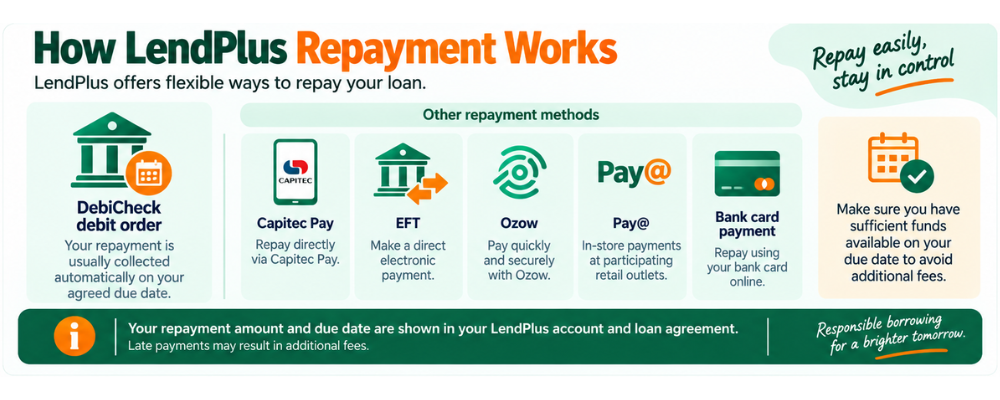
Introduction to Personal Loan Explained

Updated January 2026

If you’re considering borrowing money in 2026, understanding how a personal loan works is an essential first step. This personal loan explained guide breaks down the entire process — from the application and approval to interest rates, fees, loan terms, and responsible borrowing practices under the National Credit Act (NCA).

Unlike informal loans or expensive short-term credit, a personal loan offers structured monthly repayments, transparent pricing, and strong consumer protection. But because every lender evaluates applicants differently — and because interest rates can vary widely — borrowers who understand how personal loans really work make better, more confident decisions.
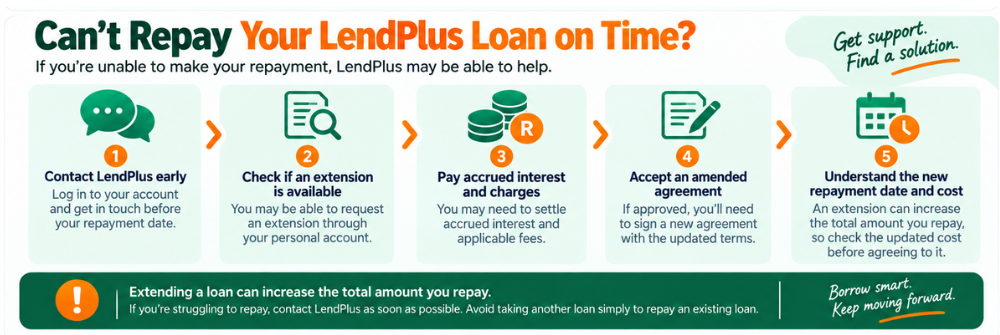
This guide goes deep into the mechanics of personal loans in South Africa and gives you the expert-level knowledge you need to use credit responsibly and effectively.

Find a Personal Loan That Fits Your Needs

This guide explains how personal loans work in South Africa. If you’re ready to compare offers and apply securely, start here:

Personal Loan Explained: What It Is and How It Works

A personal loan is a fixed-term, unsecured credit agreement that allows you to borrow a lump sum and repay it in equal monthly instalments over a period of 6 to 72 months.

“Unsecured” means:

You do not need to provide any assets (like a car or house) as security.

Approval is based on:

  • Your income level
  • Your affordability
  • Your credit score
  • Your existing debt
  • Your repayment history
  • Your banking behaviour
  • Stability of employment

Because the loan is unsecured, lenders rely heavily on your creditworthiness rather than collateral.

Next step: If you want to compare lenders after you understand the basics, use our hub page:  Compare Loans South Africa.

Best option if you want to apply (recommended)

If your goal is to compare multiple personal loan offers and apply securely, use our main service page here:

Apply for Personal Loans South Africa

Or browse all loan types in one place: Compare Loans South Africa

The Personal Loan Life Cycle

Understanding the stages of a personal loan helps you know what to expect.

Stage What Happens Why It Matters
1. Application You submit your personal details, income, and banking documents. Lenders gather information to assess your risk level.
2. Affordability Assessment Lender checks income vs expenses. Required by the NCA to avoid reckless lending.
3. Credit Check Your credit report and score are reviewed. Influences approval and interest rate.
4. Loan Offer You receive the loan amount, interest rate, term, and fees. Ensures full transparency before signing.
5. Pay-out Money is paid into your bank account. Timing varies from minutes to 48 hours.
6. Repayment Fixed monthly instalments until the loan is settled. Predictable budgeting.

Personal loan checklist (before you apply)

Before you accept any personal loan offer, make sure you understand the full cost and repayment commitment:

  • Total repayment amount: Don’t only compare monthly instalments — confirm the total amount you’ll repay over the full term.
  • Fees included: Check whether initiation fees, monthly service fees, and credit life insurance are included in the estimate.
  • Affordability: Only borrow what comfortably fits your budget after essentials like rent, groceries, transport, and debit orders.
  • Term choice: Longer terms reduce monthly instalments, but often increase the total interest you pay.
  • Early settlement: Ask whether you can settle early and whether any admin fees apply.

Loan Amounts: How Much You Can Borrow

Personal loans in South Africa can range from:

  • R1,000 to R10,000 for small, short-term needs
  • R10,000 to R50,000 for moderate financial goals
  • R50,000 to R150,000 for home improvements, education, or large expenses
  • R150,000 to R300,000+ for high-income earners with strong credit histories

The final approved amount depends on:

  • Income
  • Affordability
  • Credit score
  • Banking behaviour
  • Existing debt

If you’re unsure whether your financial profile fits typical lending requirements, you can review examples on the online loans category or the bad credit loans section for alternative options.

Understanding Personal Loan Terms (6–72 Months)

Your loan term influences both affordability and total cost.

Short Terms (6–24 months)

✔ Higher monthly instalments
✔ Lower total interest paid
✔ Faster loan completion
✔ Better for small or medium borrowing

Longer Terms (24–72 months)

✔ Lower monthly instalments
✔ Higher total interest paid
✔ Easier affordability
✔ Better for large loan amounts

Example comparison:

Assume a R20,000 loan at 21% interest:

Term Monthly Instalment Total Repayment Best For
12 months ± R1,860 ± R22,320 You want to pay less interest
36 months ± R844 ± R30,384 Balanced affordability
60 months ± R600 ± R36,000 Lower monthly instalments

You can run your own estimates anytime using our loan repayment calculator.

Personal Loan Interest Rates Explained

Interest on personal loans is risk-based, meaning lenders charge more or less interest depending on your risk profile.

Factors that help lower interest:

  • Strong credit score
  • Stable employment
  • Low debt-to-income ratio
  • Good banking behaviour
  • Clean repayment history

Factors that increase interest:

  • Poor credit score
  • Missed or late payments
  • High levels of existing debt
  • Salary inconsistencies
  • Bank account reversals or unpaid debit orders

Typical interest ranges:

Borrower Profile Interest Range
Excellent credit 13%–19%
Average credit 20%–28%
Bad credit 28%–33%+

All interest rates are capped and regulated by the National Credit Act.

If you’re rebuilding your credit, you can explore the bad credit loans section for lenders who consider lower scores.

Personal Loan Fees Explained

All personal loans in SA include:

1. Initiation Fee

A once-off fee added to your loan amount.
The cost depends on loan size but is capped under the NCA.

2. Monthly Service Fee

A flat fee up to R69 per month.

3. Interest Rate

Based on your risk profile.

4. Credit Life Insurance

Protects repayments in the event of death, disability, or retrenchment.
Optional for some lenders, required by others.

These fees together determine your monthly instalment and total repayment.

What You Can Use a Personal Loan For

Personal loans are extremely flexible. Popular uses include:

  • Medical emergencies
  • Car repairs or maintenance
  • Home renovation
  • School or university fees
  • Appliances and furniture
  • Travel
  • Moving costs
  • Debt consolidation
  • Side-business funding

If your need is urgent, you can explore options through our emergency loans section or quick loan options, which can pay out faster.

Types of Personal Loans in South Africa

Below are the most common personal loan categories and how they differ:

General Personal Loans

Best for everyday borrowing.

Bad Credit Loans

Designed for applicants with impaired credit scores.

Instant Loans

Focus on fast approval and pay-out.

Quick Loans

Suitable for small emergencies.

Short-Term Loans

Typically repaid in 1–6 months.

Online Loans

Fully digital application process.

Instalment Loans

Longer-term repayments with structured instalments.

Consolidation Loans

Used to combine multiple debts into one structured loan.

How Lenders Decide Whether to Approve You

Understanding how lenders think helps you increase your chances of approval.

Affordability

This is the biggest factor. Lenders must verify that you can repay the loan.

Credit Score

Shows how reliable you are at repaying debt.

Employment Stability

Full-time employment or consistent income increases approval odds.

Debt-to-Income Ratio

If too much of your income already goes to debt, you may be declined.

Banking Behaviour

Lenders carefully check bank statements for:

  • unpaid debit orders
  • repeated overdraft usage
  • reversals
  • large unexplainable spending
  • gambling transactions

Example: Full Personal Loan Cost Breakdown

Let’s analyse a typical loan:

Loan amount: R30,000
Term: 36 months
Interest rate: 22%
Service fee: R69
Initiation fee: R1,150

Estimated monthly instalment: ± R1,200
Total repayment: ± R43,200

Use the loan repayment calculator for your personalised calculation.

When a Personal Loan Makes Sense

A personal loan is a strong choice when:

✔ You need predictable monthly instalments
✔ You have stable income
✔ You’re consolidating high-interest debt
✔ You want structured repayments
✔ You need to finance essential expenses or emergencies

When a Personal Loan Is NOT a Good Idea

Avoid personal loans if:

❌ You’re already struggling with debt
❌ You’re borrowing for luxury items
❌ You lack income stability
❌ You can save instead of borrowing
❌ You plan to apply at many lenders in a short period

If you’re unsure, you can review alternatives through the debt consolidation section or seek advice from a financial counsellor.

How to Improve Your Chances of Approval

Experts recommend:

  • Paying all accounts on time
  • Checking your credit score regularly
  • Reducing unnecessary monthly expenses
  • Avoiding new debt before applying
  • Not applying at multiple lenders simultaneously
  • Keeping your bank account free of reversals

These changes can significantly improve your affordability.

Common Mistakes to Avoid With Personal Loans

Avoid these costly errors:

❌ Choosing the longest term only because instalments are lower
❌ Borrowing more than you actually need
❌ Ignoring fees and insurance costs
❌ Using informal lenders
❌ Missing repayments
❌ Taking a loan to pay off another loan (unless structured as consolidation)

Personal Loan Explained – Frequently Asked Questions

What is a personal loan?

An unsecured loan repaid in fixed monthly instalments.

How fast can I get a personal loan?

Some lenders approve applications on the same day.

Can I get a personal loan with bad credit?

Yes — explore options in the bad credit loans section.

How do I know what I can afford?

Use the loan repayment calculator on our website.

Are personal loan fees regulated?

Yes, under the National Credit Act.

Is credit life insurance compulsory?

Some lenders require it; others offer it as optional protection.

Can a personal loan improve my credit score?

Yes — consistent on-time repayments can improve your rating.

Compare and apply safely

Personal loans can be a useful financial tool when used responsibly, but approval depends on affordability checks and lender criteria.

If you want to compare personal loan options and apply in a safe, transparent way, start here:  Personal Loans South Africa

Or compare all loan types: Compare Loans South Africa

Conclusion

Having the fundamentals of a personal loan explained empowers you to choose the right lender, term, and amount with confidence. With clear knowledge of how interest, fees, and affordability assessments work, you can avoid unnecessary costs and make financially sound decisions.

Disclosure:  This article is for informational purposes only and does not constitute financial advice. Loan terms, rates, and eligibility vary by lender and province. FatCat Loans is a loan comparison platform, not a lender. Always review lender agreements carefully before accepting a loan.

Reviewed by the FatCat Loans Editorial Team. Read our publishing standards here: Editorial Policy.

Unsecured Personal Loans South Africa: No Collateral (2026)

This 2026 guide explains unsecured personal loans in South Africa, covering how they work, approval times, interest rates, eligibility requirements, and why no collateral is needed—making them a fast and flexible borrowing option.

Why Unsecured Personal Loans Are in High Demand in South Africa

More South Africans than ever are searching for unsecured personal loans South Africa — flexible loans that don’t require collateral, offer quick approval, and help individuals manage everything from emergencies to long-term financial goals.

As living costs rise and access to traditional lending becomes more selective, unsecured loans offer a simple, accessible way to borrow without putting your car, home, or valuable assets at risk. Whether you’re covering medical expenses, home repairs, education costs, or consolidating smaller debts, these loans provide financial breathing room when you need it most.

In this comprehensive guide, we unpack how unsecured personal loans South Africa work, who qualifies, how lenders assess applications, and how FatCat Loans connects you with reliable, NCR-approved lenders in minutes.

For background on other loan types, you can also explore

👉 Personal Loans South Africa
👉 Instant Loans
👉 Bad Credit Loans
👉 Instalment Loans
👉 Consolidation Loans

What Are Unsecured Personal Loans South Africa?

The term unsecured personal loans South Africa refers to loans that do not require collateral. Unlike secured loans — where you must provide an asset such as a car or property — unsecured loans rely on your income, credit profile, and affordability.

An unsecured personal loan is a loan you qualify for without using an asset as security (like a car or property). Instead, lenders approve you based on your income, affordability, and credit profile. Because there’s no collateral, the loan is higher risk for the lender — which is why interest rates can be higher than secured loans.

In simple terms, unsecured personal loans in South Africa usually offer:

  • No collateral required

  • Flexible loan amounts

  • Repayment terms from 6 to 72 months

  • Approval based on affordability rules under the National Credit Act (NCA)

  • Faster online applications with most lenders

These loans are ideal for South Africans who want financing without risking their assets or going through complex bank procedures.

To understand how lenders are regulated, visit the National Credit Regulator (NCR).

How Unsecured Personal Loans South Africa Work

Unsecured loans follow a straightforward process. Here’s a complete breakdown of how they work from start to finish:

Step 1 — Apply Online

You complete a quick digital application through a platform like FatCat Loans, which connects you with multiple NCR-registered lenders at once.

Step 2 — Lender Assessment

Lenders review:

  • Your credit history

  • Income stability

  • Bank account activity

  • Debt-to-income ratio

This step determines whether you meet affordability requirements.

Step 3 — Approval Decision

Once your application is processed, lenders provide:

  • The approved loan amount

  • Interest rate

  • Repayment term

  • Total cost of credit

Decisions are often instant.

Step 4 — Funds Disbursed

After signing your loan proposal and agreement, the lender pays the funds into your bank account — usually within 24 hours.

Step 5 — Repayment

You repay the loan through fixed monthly instalments over your chosen term.

If you want to compare different loan structures, explore How Debt Consolidation Loans Work in South Africa (2025 Guide)

What Do Unsecured Personal Loans Cost in South Africa? (Interest + Fees Explained)

The total cost of an unsecured personal loan depends on more than just the interest rate. South African lenders may charge:

  • interest (based on your risk profile and the loan type)

  • initiation fees (once-off setup fee)

  • monthly service fees

  • insurance (optional or included in some agreements)

Even when two loans offer the same amount, the total repayment can differ dramatically depending on the repayment term, interest rate, and added fees.

Tip: Always compare the total repayment amount, not just the monthly instalment.

Real Example: How Interest Rate Changes Your Repayment

Let’s say you borrow R30,000 over 24 months:

  • At a lower rate, your repayment may feel manageable

  • At a higher rate, your repayment increases — and the loan may cost significantly more overall

That’s why borrowers with strong affordability and a cleaner credit profile often qualify for better pricing, while borrowers with higher risk may receive prime + pricing.

If you want to understand how the base pricing benchmark affects your interest rate, read our guide to the South Africa prime rate.

Why Choose Unsecured Personal Loans South Africa

Unsecured personal loans South Africa appeal to millions of borrowers because of their flexibility, accessibility, and simplicity.

Here’s why they’re so popular:

1. No Collateral Required

You don’t risk losing your home, vehicle, or assets because the loan is unsecured.

2. Fast Digital Approvals

Most online lenders offer instant feedback and same-day pay-outs.

3. Flexible Loan Amounts

Borrow between R1,000 and R350,000 depending on your income and affordability.

4. Predictable Monthly Payments

Fixed instalments make budgeting easier.

5. Lower Entry Barriers

If banks have turned you away, unsecured lenders may still approve you based on your affordability.

6. Multi-Purpose Use

Use funds for anything, including:

  • Medical expenses

  • Home improvements

  • School fees

  • Car repairs

  • Moving costs

  • Debt consolidation

Learn more about improving your credit profile in our Debt Consolidation Meaning South Africa guide.

Who Qualifies for Unsecured Personal Loans South Africa?

Each lender has unique criteria, but most require:

  • South African ID (age 18–65)

  • Steady monthly income — salary, pension, or grant

  • Active bank account for 3+ months

  • Proof of residence

  • Recent payslips or bank statements

If your credit score is lower than average, you may still qualify through lenders offering Bad Credit Loans South Africa

Unsecured Personal Loan Application Checklist (Before You Apply)

Before submitting your application, make sure you have:

✅ South African ID number
✅ Recent bank statements (last 3 months)
✅ Proof of income (payslip or verified deposits)
✅ Proof of residence
✅ A realistic repayment plan based on your monthly budget

If your finances are tight, it’s safer to estimate what you can realistically afford to repay before applying — this reduces rejection risk and helps you avoid taking on unaffordable debt.

What Affects Approval Decisions?

Understanding lender criteria helps you strengthen your application. Here’s what lenders look at:

1. Income Stability

Regular monthly deposits, consistent employment, and predictable earnings increase your chances of approval.

2. Affordability Score

Lenders compare your income with your existing expenses and debts to ensure you aren’t overcommitted.

3. Credit History

While unsecured loans don’t require perfect credit, a clean repayment record may unlock:

  • Lower interest rates

  • Higher loan amounts

  • Longer repayment terms

4. Debt-to-Income Ratio (DTI)

A lower DTI ratio shows lenders you can manage repayment.

5. Bank Account Behaviour

Lenders check for:

  • Returned debit orders

  • High overdraft usage

  • Irregular deposits

  • High discretionary spending

If you need help improving approval chances, read our Debt Consolidation Loan Approval South Africa (2025 Guide)

Benefits of Unsecured Personal Loans South Africa

1️⃣ Flexible Use of Funds

Unlike student loans or car finance, unsecured loans can be used for any personal need.

2️⃣ Fixed Repayment Plan

The amount remains the same throughout the loan term, offering predictability.

3️⃣ No Asset Risk

You are not required to hand over security or collateral.

4️⃣ Faster Processing Times

Most lenders operate digitally — reducing approval times dramatically.

5️⃣ Helps Build Credit

Timely repayment strengthens your credit profile.

To check current interest rate movements, visit the South African Reserve Bank (SARB).

Unsecured Personal Loans South Africa vs Secured Loans

Here’s how unsecured loans compare to secured credit:

Feature Unsecured Personal Loans Secured Loans
Collateral Required ❌ No ✅ Yes
Approval Speed Fast Slower
Loan Amount Moderate Higher potential
Risk to Borrower Low Higher (asset risk)
Eligibility More flexible More restrictive

Unsecured loans typically offer flexibility and speed, while secured loans offer higher amounts and lower interest — but with more risk.

How Much Can You Borrow with Unsecured Personal Loans South Africa?

Loan ranges depend on the lender but typically fall between:

  • R1,000 – R350,000

  • 6 to 72-month repayment terms

If you want to explore larger financing options, see Personal Loans South Africa

Unsecured Personal Loans for Bad Credit

Even if your credit record isn’t perfect, some lenders specialise in affordability-based approvals. These loans may come with:

  • Higher interest rates

  • Lower initial amounts

  • Shorter repayment terms

Explore these options on our Bad Credit Loans South Africa

Using an Unsecured Loan for Debt Consolidation

One of the most popular uses for unsecured personal loans South Africa is debt consolidation.

By merging multiple smaller debts — like store accounts or microloans — into one instalment, you gain:

  • Lower monthly repayments

  • One payment instead of many

  • A clearer repayment timeline

  • Reduced financial pressure

To better understand how consolidation works, explore:
👉 Debt Consolidation Loans South Africa
👉 The Meaning of Debt Consolidation in South Africa

When an Unsecured Personal Loan Is NOT a Good Idea

Unsecured personal loans can help in the right situation — but they’re not always the best solution.

Avoid taking an unsecured loan if:

  • you plan to use it for luxury purchases or lifestyle spending

  • you’re borrowing to repay another loan (debt cycling risk)

  • your budget is already tight and you’re relying on “future income”

  • you can’t comfortably afford the instalment even with reduced expenses

If your main issue is multiple repayments, it may be safer to explore a structured consolidation option instead of taking another loan.

Responsible Borrowing Tips

To get the most benefit from unsecured loans:

📌 Borrow only what you need

Overborrowing increases financial pressure.

📌 Compare lenders before applying

Interest rates vary widely — FatCat Loans helps you compare instantly.

📌 Repay on time

This protects your credit profile and future borrowing options.

📌 Avoid taking multiple loans at once

This can damage affordability and reduce credit health.

📌 Use funds wisely

Emergency expenses, education, home repairs, and consolidation are all smart uses.

Examples of Unsecured Personal Loan Providers in South Africa (2026)

Lender Loan Amount Interest Rate Best For
African Bank Up to R350,000 From 15% Affordable, flexible terms
ABSA Bank R3,000 – R250,000 From 14% Trusted, established lender
Direct Access R1,000 – R20,000 Custom Short-term, smaller loans
Wonga R500 – R8,000 3% monthly Quick emergency funding

Loan limits and costs vary by provider and are subject to affordability and credit checks.

Compare these lenders instantly on FatCat Loans for the best rates and terms.

When Are Unsecured Personal Loans South Africa a Good Choice?

These loans are ideal for:

  • Emergency medical or household expenses

  • Repairing or maintaining your vehicle

  • Funding school or university needs

  • Managing wedding or event costs

  • Covering relocation expenses

  • Consolidating debt into one structured payment

Avoid using unsecured loans for:

  • Luxury items

  • Non-essential purchases

  • High-risk investments

    Apply for unsecured personal loans South Africa with FatCat Loans.

Frequently Asked Questions (FAQs) About Unsecured Personal Loans South Africa

What are unsecured personal loans South Africa?

Unsecured personal loans South Africa are loans that don’t require you to provide any collateral, such as a car or property. Approval is based on your income, credit profile, and overall affordability, making these loans ideal for emergencies, education, home repairs, or debt consolidation.

Who qualifies for unsecured personal loans South Africa?

Most lenders require you to:

  • Be a South African citizen aged 18–65

  • Earn a steady monthly income

  • Have an active bank account for at least 3 months

  • Provide payslips or bank statements

  • Show affordability under NCA regulations

Even if you have a lower credit score, many lenders may still approve your application based on affordability.

How quickly can I get the funds?

Approval often happens instantly, and payout typically occurs within 24 hours after signing your loan agreement. Through platforms like FatCat Loans, you can compare lenders and apply online in minutes.

Can I get unsecured personal loans South Africa with bad credit?

Yes — some lenders specialise in assisting borrowers with less-than-perfect credit. They assess your income and ability to repay rather than focusing only on your credit score. Visit the Bad Credit Loans page on FatCat Loans to explore these options.

What can I use unsecured personal loans South Africa for?

These loans are flexible and can be used for:

  • Medical bills

  • Car or home repairs

  • School or university fees

  • Moving costs

  • Emergency expenses

  • Debt consolidation

There are no restrictions on how you spend the funds.

Are unsecured personal loans South Africa safe?

Yes. As long as you borrow from NCR-accredited lenders, unsecured personal loans are regulated under the National Credit Act. FatCat Loans only works with trusted, compliant South African lenders to ensure safe, transparent borrowing.

Do I need a good credit score to get an unsecured personal loan?

Not always. Some lenders focus more on affordability and income stability than score alone, but a stronger score usually improves your interest rate and loan amount.

Can I get an unsecured personal loan without a payslip?

Some lenders may accept bank statements showing consistent deposits instead of payslips, especially for self-employed or informal income earners. Approval depends on affordability and risk assessment.

Is an unsecured loan better than using a credit card?

It depends. Unsecured loans usually offer fixed repayments and structured terms, while credit cards can become expensive if you only pay the minimum balance monthly.

How many unsecured loan applications should I submit?

Avoid applying to multiple lenders individually. Too many credit checks can affect your profile. A comparison platform helps you review options with less risk.

What happens if I settle my unsecured loan early?

Some lenders may reduce interest costs when you settle early, but terms vary. Always check the settlement calculation and whether fees apply.

Conclusion: Flexible, Fast, and Accessible Borrowing for South Africans

Unsecured personal loans South Africa are one of the most flexible lending solutions available today. With no collateral required, quick online applications, competitive interest rates, and manageable repayment terms, they provide the financial support South Africans need to navigate life confidently.

Whether you’re facing an urgent expense or planning a larger personal goal, FatCat Loans helps you compare trusted, NCR-registered lenders in minutes — giving you a safe, transparent path to approval.

🎯 Get started today!
Apply for unsecured personal loans South Africa through FatCat Loans — fast, secure, and 100% online.

Disclosure:  This article is for informational purposes only and does not constitute financial advice. Loan terms, rates, and eligibility vary by lender and province. FatCat Loans is a loan comparison platform, not a lender. Always review lender agreements carefully before accepting a loan.