How to Pay for Car Repairs in Instalments (2026 Guide)

This 2026 guide explains how to pay for car repairs in instalments, including available financing options, approval timelines, interest-free plans, and what to consider before spreading the cost of essential vehicle repairs to stay on budget.

How to Pay for Car Repairs in Instalments

Updated January 2026

Unexpected car repairs can put serious pressure on your budget, especially when costs pile up all at once. Fortunately, there are flexible ways to pay for car repairs in instalments, allowing you to get your vehicle back on the road without draining your savings. Many workshops and financial providers now offer convenient payment plans that break repair costs into manageable monthly payments — helping you stay mobile while managing your finances more comfortably.

Key Things to Know About Paying for Car Repairs in Instalments

    • Yes, you can pay for car repairs in instalments through financing options like loans or credit cards.
    • Financing allows you to spread the cost of car repairs into manageable monthly payments.
    • The application process for car repair financing is simple and approvals are swift.

Understanding Car Repair Financing Options

When it comes to financing car repairs, there are several options available. These options allow you to pay for car repairs in instalments, making it easier on your budget. One popular option is to apply for a personal loan from a bank or financial institution. This type of loan can be used to cover the cost of car repairs and is repaid over a set period of time.

Another option is to use a credit card to pay for the repairs. This allows you to spread the cost over multiple monthly payments. However, it’s important to consider the interest rate associated with the credit card and ensure that you can afford the monthly payments.

The Basics of Car Repair Financing

A personal loan is a common option for financing car repairs. To apply for a personal loan, you will typically need to have a good credit score and a bank account. The loan amount will depend on your creditworthiness and the lender’s policies. Once approved, the loan will be deposited into your bank account, and you can use the funds to pay for the car repairs.

Repayment terms for personal loans vary depending on the lender. You will typically have a set number of months to repay the loan, and you will be required to make monthly payments. The interest rate on the loan will also vary based on factors such as your credit score and the lender’s policies. It’s important to carefully review the terms of the loan and ensure that you can afford the monthly payments before applying.

How Does Financing Affect Your Credit Score?

Financing car repairs, whether through a personal loan or a credit card, can have an impact on your credit score. When you apply for a loan or open a new credit card account, it creates a new line of credit. This can lower your credit score temporarily, as it increases your overall credit utilization.

However, if you make your monthly payments on time and in full, financing car repairs can actually have a positive impact on your credit score. It shows that you are responsible with credit and can manage your debt effectively. On the other hand, if you miss payments or make late payments, it can negatively impact your credit score.

It’s important to carefully consider your financial situation and ability to make the monthly payments before financing car repairs. Make sure you choose a financing option that fits within your budget and that you can comfortably afford.

Comparing Payment Plans for Car Repairs

When you need to pay for car repairs in instalments, there are different payment plans to consider. Two common options are using a credit card or opting for interest-free payment plans.

Pros and Cons of Using Credit Cards to Pay for Car Repairs in Instalments

Paying for car repairs with a credit card has its pros and cons. Here are some key points to consider:

Pros:

  • Convenience: Using a credit card is a convenient way to pay for car repairs in instalments, especially if you already have a card.
  • Rewards: Some credit cards offer rewards or cashback on purchases, which can help offset the cost of repairs.
  • Flexibility: Credit cards often have a higher credit limit, allowing you to cover larger repair costs.

Cons:

  • Interest Charges: If you carry a balance on your credit card, you will be charged interest on the unpaid amount. This can increase the total cost of repairs.
  • High Interest Rates: Credit card interest rates can be higher than other financing options, making it more expensive in the long run.
  • Minimum Payments: Credit card companies require you to make minimum monthly payments, which can extend the repayment period and increase the overall cost.

It’s important to consider your financial situation and the terms of your credit card before using it to pay for car repairs. Make sure you can afford the monthly payments and compare the interest rates with other financing options available.

Interest-Free Payment Plans Overview

Interest-free payment plans, through providers like ZeroPay are a popular choice for financing car repairs. These plans offer an affordable way to spread the cost of repairs over time. Here’s an overview of how they work:

  • No Interest: Interest-free payment plans do not charge any interest on the amount borrowed. This means that you only pay back the principal amount.
  • Fixed Monthly Payments: Both interest-free and low-interest payment plans typically have fixed monthly payments. This allows you to budget and plan for the repayment.

When choosing interest-free payment plans, consider your budget and the total cost of borrowing. It’s important to choose a payment plan that fits within your financial means and allows you to comfortably make the monthly payments.

Step-by-Step Guide to Applying to Pay for Car Repairs in Instalments

Applying for car repair financing is a simple process. Follow these steps to apply for financing and get your car repairs covered:

  • Research Financing Options: Start by researching different financing options available to you. Look for options that offer competitive interest rates and flexible repayment terms.
  • Gather Required Documents: Before applying, gather all the necessary documents such as your identification, proof of income, and bank statements. These documents may vary depending on the financing company’s requirements.
  • Fill out the Online Application Form: Most financing companies have an online application form that you can fill out. Provide all the required information accurately and completely.
  • Submit the Application: Once you have completed the application form, submit it online. The financing company will review your application and provide a decision within a short period of time.
  • Approval and Funding: If your application is approved, you will receive the funds to cover your car repairs. The funds will be deposited into your bank account or directly paid to the repair shop.

Eligibility Criteria for Financing

The eligibility criteria for car repair financing may vary depending on the financing company. However, some common requirements include:

  • Age: You must be at least 18 years old to apply for financing.
  • Income: Most financing companies require proof of income to ensure that you have the means to repay the loan.
  • Credit History: Your credit history may be considered during the application process. A good credit score can increase your chances of approval.
  • Identification: You will need to provide a valid identification document such as a driver’s license or passport.
  • Bank Account: Having a bank account is usually a requirement for receiving the funds.

It’s important to review the eligibility criteria of the financing company before applying. This will help you determine if you meet the requirements and increase your chances of approval.

Documents Required for Application When you Need to Pay for Car Repairs in Instalments

When applying for car repair financing, you will need to provide certain documents to complete the application process. Here are some common documents that may be required:

  • Identification: You will need to provide a valid identification document such as a driver’s license or passport.
  • Proof of Income: Most financing companies require proof of income to ensure that you have the means to repay the loan. This can include pay stubs, bank statements, or tax returns.
  • Bank Statements: You may be asked to provide recent bank statements to verify your bank account and financial stability.

It’s important to gather all the required documents before starting the application process. This will help ensure a smooth and efficient application process.

Auto Repair Shops with Payment Plans

When financing your car repairs, it’s important to choose an auto repair shop that allows you to pay for car repairs in instalments. This flexible option helps you manage expenses without added financial stress. Here are some benefits of working with an auto repair shop that provides convenient payment plans.:

  • Convenience: Having payment options available at the repair shop allows you to take care of everything in one place.
  • Flexible Repayment: Payment plans offered by auto repair shops allow you to spread the cost of repairs over time, making it easier on your budget.
  • Preferred Payment Option: Some auto repair shops may have a preferred payment option, such as ZeroPay, which offers interest-free monthly payments.

Before choosing an auto repair shop, inquire about their payment options and whether they offer financing solutions. This will ensure that you have a payment plan that fits your needs and makes it easier to pay for your car repairs.

Managing Your Car Repair Financing

Once you have secured car repair financing, it’s important to manage it effectively to ensure a smooth repayment process. Here are some tips for managing your car repair financing:

  • Carefully review the terms and conditions of the financing agreement, including the monthly payment amount and repayment period.
  • Set a reminder for the due dates or set up an automatic payment system to avoid missing any payments.
  • Include your monthly payment in your budget to ensure you can afford it without causing financial strain.
  • Keep track of your other expenses to ensure you have enough funds available for your car repair payment.
  • Communicate with the financial provider if you encounter any financial difficulties or anticipate any delays in payment. They may be able to work out a solution or offer alternative payment options to help you stay on track with your car repair financing.

By managing your car repair financing effectively, you can ensure a stress-free repayment process and avoid any unnecessary financial difficulties.

What Happens if You Miss a Payment?

Missing a payment for your car repair financing can have consequences. Firstly, it’s important to understand the terms and conditions of the financing agreement regarding missed payments. Some providers may charge a late fee or penalty for late payments. Additionally, missing payments can have a negative impact on your credit score. This can make it harder to secure future financing or loans. If you anticipate difficulty in making a payment, it’s crucial to contact the financing provider as soon as possible to discuss your options. They may be able to offer a grace period or alternative payment arrangements. It’s important to be proactive in resolving any payment issues to avoid further financial strain and potential damage to your credit score.

Pay for car repairs in instalments with FatCat Loans

Alternatives to Financing for Car Repairs

While financing car repairs in instalments can be a convenient option, it’s not the only solution available. If you prefer not to go down the financing route, there are alternatives to consider. Here are some alternative options to consider:

  • Use Savings For Car Repairs

By allocating a portion of your income to a dedicated emergency fund or savings account, you can build up a reserve to cover unexpected expenses like car repairs. When faced with a repair bill, you can dip into your savings without incurring any interest charges or fees associated with financing options. However, it’s important to prioritize your savings and regularly contribute to your emergency fund to ensure you have enough funds available when needed. Additionally, practicing regular car maintenance, such as oil changes, tire rotations, and fluid checks, can help prevent major repairs and reduce the overall cost of maintaining your vehicle.

  • Seek Assistance From Family or Friends

If you’re unable or prefer not to finance car repairs or use your savings, seeking assistance from family or friends can be an alternative solution. Reach out to your loved ones and explain your situation, including the repair bill and your financial constraints. They may be willing to lend you the funds needed for the repairs. Discuss payment options and come to an agreement that works for both parties, whether it’s setting up a repayment plan or offering something in exchange for their assistance. It’s important to treat the transaction as a formal agreement and honour your commitments to maintain trust and open communication with your family or friends.

Exploring these alternatives can help you avoid taking on additional debt and interest payments.

Conclusion

In conclusion, understanding car repair financing options is crucial for managing unexpected expenses. Whether you choose credit cards or interest-free payment plans, consider how each option may impact your financial well-being. Remember to assess eligibility criteria, document requirements, and repayment strategies before committing to a financing plan. While seeking assistance from family or friends or using personal savings are alternatives, proper financial planning is key to maintaining your vehicle without compromising your budget. Stay informed about your choices to make the best decision for your car repair needs.

Frequently Asked Questions When You Pay for Car Repairs in Instalments

Can I Pay for Car Repairs in Instalments with Bad Credit?

Yes, it is possible to get car repair financing even with bad credit. Some financing providers specialize in working with individuals who have less-than-perfect credit scores. While the application process and approval may differ, having bad credit does not necessarily exclude you from accessing car repair financing options. However, it’s important to note that interest rates and repayment terms may be less favourable compared to those with good credit. It’s advisable to research and compare different financing options to find the best fit for your financial situation.

Are there any interest-free options for car repair financing?

Yes, there are interest-free options available for car repair financing. ZeroPay, for example, offers interest-free monthly payments for car repairs. By partnering with service providers like Michanic, ZeroPay allows you to spread the cost of your car repairs into manageable instalments without incurring any interest charges. This can be a convenient and budget-friendly option for individuals looking to address their car repair needs without the burden of interest payments.

How Quickly Can I Get Approved to Pay for Car Repairs in Instalments?

The approval process for car repair financing can vary depending on the provider. However, with innovative payment solutions like ZeroPay, approvals are swift and can take less than a minute. The application process when you have to pay for car repairs in instalments is typically quick and straightforward, often involving an online application form. Once approved, you can proceed with your car repairs without delay, ensuring efficient and timely service.

Can I pay for only parts or labour with financing, instead of the whole repair cost?

The payment options for car repair financing may vary depending on the provider. While some financing options may cover the entire repair cost, others may allow you to choose between financing the parts or labour separately. It’s essential to review the terms and conditions of the financing agreement to understand the payment options available.

Disclosure:  This article is for informational purposes only and does not constitute financial advice. Loan terms, rates, and eligibility vary by lender and province. FatCat Loans is a loan comparison platform, not a lender. Always review lender agreements carefully before accepting a loan.

How to Make Money in South Africa (2026): Practical Legal Ways

This 2026 guide shares quick, practical ways to make money in South Africa — from side hustles and online work to realistic earning expectations.

How to Make Money in South Africa

Updated January 2026

South Africans are feeling the pinch more than ever — rising food prices, fuel hikes, inflation, and ongoing load shedding have made it harder for households to stay afloat. The good news is that there are still practical, legal ways to make money in South Africa, even if you’re starting with limited time, skills, or cash. Whether you’re trying to cover essentials, pay off debt, or build a small safety net, small income wins can make a real difference.

If you live in Gauteng, you may also want our city-specific guide on how to make quick money in Johannesburg, with local platforms and fast earning ideas.

The good news is that you don’t need a huge budget, technical skills, or complicated business plans to get started. Many income-boosting ideas can be launched within days, giving you immediate financial breathing room.

And if you need short-term help while you build a new income stream, FatCat Loans allows you to compare a range of personal loans from trusted, NCR-approved lenders — helping you choose an option that fits your budget and goals.

This guide breaks down three quick, practical, and proven ways to make money in South Africa, along with smart financial strategies that can help you stretch your income further.

Offer Freelance or Side Services Online

One of the quickest and most flexible ways to make money in South Africa is through freelancing or side gigs — even if you only have basic skills. The rise of remote work has opened doors globally, giving South Africans access to clients around the world.

Freelancing lets you earn extra income without quitting your job, and you can scale your earnings as you gain experience.

Popular Freelance Skills You Can Offer in South Africa

Here are simple yet in-demand services you can start offering today:

  • Copywriting, proofreading, and blogging

  • Virtual assistance or administrative support

  • Social media management

  • Graphic design, logo design, or basic Canva work

  • Translation or transcription

  • Online tutoring or English teaching

  • Customer support or chat assistance

  • Data entry and spreadsheet organisation

Don’t underestimate “beginner” skills — many businesses need affordable help for everyday tasks.

Where to Start as a Freelancer in South Africa

Platform Focus Area How You Make Money
Fiverr Freelance services Set your own prices for gigs
Upwork Global freelance opportunities Paid per project or hourly
Tutorme / Preply Online tutoring Teach English or academic subjects
PeoplePerHour Creative + admin tasks Quick, small jobs available

💡 Pro Tip:

Create profiles on 2–3 platforms and charge competitive beginner rates to build reviews. Once you gain a few clients, gradually increase your prices.

Even part-time earnings of R500–R1,000 per week can help reduce financial pressure — covering petrol, groceries, school fees, or helping you build savings.

If you’re planning to invest in training to enhance your freelancing skills, you can compare flexible personal loans South Africa options that offer affordable repayment terms.

Sell Products or Start a Small Hustle

Not everyone wants to work online — and that’s perfectly fine. You can also make money in South Africa by selling products or offering practical services in your community.

You don’t need a business plan, fancy logo, or big capital. All you need is a simple product or service that solves a daily problem.

Quick Hustle Ideas Anyone Can Start

Sell Products Online

Platforms like Facebook Marketplace, Gumtree, and Takealot Marketplace allow you to sell:

  • Second-hand clothing

  • Used electronics

  • Baby items

  • Home appliances

  • Furniture

  • Collectibles

Start a Small Food Business

Food is always in demand. Consider:

  • Home-cooked meals

  • Street food or baked treats

  • Office lunch packs

  • Homemade sauces, spices, or snacks

Offer Local Services

If you prefer hands-on work, try offering:

  • House cleaning

  • Gardening

  • Car washing

  • Child care

  • Dog walking

  • Laundry services

  • Errand-running

Sell or Resell Digital Products

Digital side hustles are growing fast in South Africa. You can sell:

  • Print-on-demand shirts

  • Digital planners

  • Custom phone covers

  • Mugs and stickers

Load Shedding-Proof Ways to Make Money in South Africa

Load shedding can disrupt side hustles, especially if you rely on consistent internet access, delivery timing, or electrical equipment. The best way to stay consistent is to choose an income stream that still works when power goes off.

Here are practical, load shedding-friendly ways to earn:

→ Offer services that don’t require electricity (cleaning, gardening, car washing, dog walking, errands).

→ Freelance using data and a power bank (writing, admin support, virtual assistance).

→ Sell physical products that don’t depend on stock systems (second-hand goods, home essentials).

→ Offer “collection and drop-off” services within your neighbourhood.

→ Use prepaid data + offline tools (Canva offline drafts, Google Docs offline mode).

Tip: If you rely on online work, consider investing in a small backup solution like a power bank, WiFi UPS, or extra mobile data — it improves consistency and income stability.

Example: Start a Reselling Business

Many South Africans earn reliable weekly income by selling thrift items. For example:

1️⃣ Buy bulk thrift clothes for R20–R30 per item
2️⃣ Resell for R80–R120
3️⃣ Profit per item: R50+

Selling just 10 items per week can earn you an extra R500–R1,000, and you can scale the business easily.

If you need a small amount of start-up capital — for stock, packaging, or delivery costs — FatCat Loans helps you compare safe lenders and repayment plans. You can explore personal loans or even apply directly when you’re ready.

👉 Take the first step: Apply now to start your hustle sooner.

Earn Money Through Smart Financial Management

Sometimes, making more money doesn’t require extra hours or side hustles — it simply means managing what you already earn more efficiently.

By using your finances smarter, you can free up cash every month, reduce stress, and speed up your financial goals.

Smart Money Moves That Boost Your Income

1. Consolidate Your Debts

If you’re juggling multiple debt repayments, a consolidation loan can combine them into one lower monthly payment.
This instantly frees up extra income and helps reduce long-term interest.

If you’re struggling to manage multiple repayments, explore debt consolidation options that can reduce your monthly repayments and free up cash flow each month.

2. Switch to a Cheaper Bank Account

Many banks charge high fees. Switching to a low-fee or cashback account can save you R50–R200 per month without any effort.

3. Cut Unnecessary Subscriptions

Cancel streaming services, delivery app memberships, or unused gym contracts. Most households save R150–R350 per month immediately.

4. Use Cashback or Rewards Apps

Apps like SnapnSave and Shoprite Xtra Savings help you earn cashback on groceries you already buy.

5. Sell Unused Items

Every household has clutter — old appliances, furniture, clothes, or tech. Selling these can earn quick cash within days.

Even saving R500–R1,000 per month through smarter financial decisions is equal to getting a part-time pay raise — without working extra hours.

If you prefer fast access to funds while you reorganise your finances, explore instant loans for emergency situations.

How FatCat Loans Helps You Earn More and Stress Less

At FatCat Loans, financial empowerment is the goal.
Whether you’re improving your income, starting a side business, or tackling debt, FatCat Loans helps you compare multiple loan options — safely, quickly, and responsibly.

You can:

  • Fund a new side hustle

  • Consolidate expensive debts

  • Cover urgent bills

  • Invest in new earning opportunities

  • Upgrade skills to increase your monthly income

All lenders available through FatCat Loans are NCR-registered, transparent, and regulated.

Why South Africans Love Using FatCat Loans

  • 100% online application

  • Transparent lender comparisons

  • No obligation to accept offers

  • Fast approvals — often within 24–48 hours

  • Safe, secure, and fully regulated

👉 Take control of your financial future:
Apply online today through FatCat Loans and compare personal loan options instantly.

Learn how to make money in South Africa with FatCat Loans.

Conclusion: Start Small, Think Big

Making extra money in South Africa doesn’t have to be overwhelming. Whether you choose freelancing, selling goods, offering local services, or simply improving your financial management, the most important step is to start now.

And when you need financial flexibility to get moving, FatCat Loans is here to help you compare trusted personal loan options — quickly, safely, and affordably.

👉 Compare personal loan offers instantly through FatCat Loans and take control of your financial future today.

Frequently Asked Questions (FAQs) About Ways to Make Money in South Africa

What is the fastest way to make money in South Africa?

Freelancing, selling products online, and offering local services such as cleaning or tutoring are the quickest legal ways to earn extra income.

Can I start a side hustle with no money?

Yes. Many people start by selling unused items, offering labour-based services, or freelancing with basic skills — and reinvesting profits as they grow.

Do I need to register a business to make money in South Africa?

Not necessarily. Many people start earning through freelancing, selling goods, or offering services without registering a business. However, if you earn consistently and want to grow, registering can make it easier to open a business bank account, work with suppliers, and operate professionally.

Do I need to pay tax on side hustle income in South Africa?

Yes — if your side hustle income exceeds SARS tax thresholds or becomes a regular source of income, you may need to declare it. Even small earnings can become taxable if you earn consistently or receive payments as self-employed income. If you’re unsure, it’s worth checking SARS guidelines or speaking to a tax professional.

How can I avoid online job scams in South Africa?

A legitimate online job should never require upfront payments or “registration fees.” Avoid any website that asks you to pay first, promises unrealistic earnings, or refuses to provide company details. Stick to trusted platforms like Fiverr, Upwork, and reputable tutoring sites, and always check reviews before sharing personal information.

What are the safest online jobs for beginners in South Africa?

Some of the safest beginner-friendly online jobs include virtual assistance, basic content writing, proofreading, data entry, transcription, and tutoring. These options usually require minimal experience and can be started through trusted freelance marketplaces with secure payment systems.

Are online jobs in South Africa legitimate?

Yes, but stick to reputable platforms like Fiverr, Upwork, and TutorMe. Avoid websites that ask for upfront payments.

How much extra income can I realistically earn?

Most side hustlers in South Africa earn R500–R3,000 per month, depending on skill, time, and consistency.

How can FatCat Loans help me make money?

FatCat Loans compares trusted South African lenders offering personal loans South Africa, helping you fund a side hustle, reduce debt, or invest in new income streams.

Disclosure:  This article is for informational purposes only and does not constitute financial advice. Loan terms, rates, and eligibility vary by lender and province. FatCat Loans is a loan comparison platform, not a lender. Always review lender agreements carefully before accepting a loan.

How To Make Quick Money In Johannesburg (2026 Guide)

This 2026 guide explains practical and realistic ways to make quick money in Johannesburg, including online gigs, local side hustles, and short-term income ideas, along with earning potential and tips to improve your finances safely.

How to Make Quick Money in Johannesburg

Updated January 2026

Looking for how to make quick money in Johannesburg? You’re not alone. With the city’s high living costs, transport expenses, and everyday financial pressure, many Johannesburg residents are looking for fast, realistic ways to earn extra cash.

The good news is you don’t need a massive budget, a degree, or a complicated business plan to get started. Johannesburg is full of opportunity — and because it’s a large, active city, you can often find gigs and income ideas faster than in smaller towns.

This guide focuses on Johannesburg-specific ways to earn, including local gigs, short-term hustles, and practical ideas that can bring in money within days.

If you’re looking for strategies that work anywhere in the country, read our full guide on how to make money in South Africa.

1) Turn Your Skills Into Cash (Joburg Local Gigs That Pay Fast)

Johannesburg is always moving — which means people constantly need help with services, errands, and short-term jobs. If you’ve got a skill (or even just time and reliability), you can start earning quickly.

Here are services that usually sell well in Johannesburg:

  • Writing, editing, or admin support (small businesses)

  • Tutoring (learners and university students)

  • House cleaning (once-off or weekly)

  • Gardening and yard work

  • Handyman work (repairs, painting, installations)

  • Event support (setup, serving, décor assistance)

  • Photography (small events and personal shoots)

You don’t have to be “professional” to start — you just need to be consistent, clear, and available.

Where to Find Quick Gigs in Johannesburg (Local Platforms)

Johannesburg offers more same-week earning opportunities than most cities because of its size, demand, and constant movement. If you want quick money, start where people actively request local help:

Platform / Source Best For Why It Works in Johannesburg
Locanto Johannesburg Local odd jobs & services Immediate leads in your area
Gumtree Johannesburg Freelance + service listings Popular for quick local hiring
Facebook Marketplace + Joburg Groups Services + sales High demand, fast responses
WhatsApp Neighbourhood Groups Babysitting, tutoring, cleaning People hire quickly if you reply fast
SweepSouth (Johannesburg coverage) Cleaning services Trusted platform with local demand

Johannesburg Pro Tip:
The fastest way to get hired is to post your service in Facebook groups like “Your suburb + services” and reply fast. Many people hire the same day if you’re available immediately.

Even earning R500–R1,500 per week part-time can cover groceries, petrol, or small debts — and it adds up quickly.

2) Start a Johannesburg Side Hustle (Low-Cost Ideas That Work Locally)

If you’d rather make money selling or working hands-on, Johannesburg is one of the best cities in the country to start small and grow fast.

Here are side hustles that work especially well in Joburg:

✅ Reselling (Fastest Starter Hustle)

Buy low-cost secondhand goods and resell at a profit through Facebook Marketplace or Gumtree.

Popular items include:

  • Clothing and sneakers

  • Baby items

  • Small appliances

  • Phones and accessories

  • Furniture

Quick example:
If you buy 10 items at R30 each and sell them at R100 each, your profit is about R700 per week.

✅ Food Hustles (High Daily Demand)

Joburg has huge demand for quick food — especially near taxi ranks, schools, and offices.

Ideas that work:

  • Lunch packs

  • Kota / vetkoek

  • Muffins and baked goods

  • Homemade snacks

  • Drinks (juice, coffee, iced tea)

📍 Best places to sell:
Taxi ranks, industrial areas, school gates, office parks, or pop-up markets.

✅ Local Services With Repeat Customers

These services often become weekly income:

  • Laundry pickup & delivery

  • House cleaning

  • Gardening

  • Car washes

  • Childcare

  • Dog walking (especially suburbs)

Free Business Support in Gauteng

If you want proper support, training or funding guidance, two reliable resources are:

  • SEDA (Small Enterprise Development Agency)

  • GEP (Gauteng Enterprise Propeller)

Both offer workshops and support for small businesses — often free.

3) Make Quick Money by Freeing Up Cash (Joburg Budget Fixes That Work Fast)

Sometimes the quickest way to improve your situation isn’t earning more — it’s freeing up money you already have.

If you’re under pressure, these quick actions can create breathing room:

✅ Sell unused items (phone, furniture, clothes)
✅ Cancel unused subscriptions (streaming, gym, delivery memberships)
✅ Switch to a cheaper bank account if fees are high
✅ Check whether you’re paying too much on repayments

If you want broader money strategies and online earning options, read our national guide on how to make money in South Africa.

4) Rent Out What You Already Own (Passive Income in Johannesburg)

Johannesburg makes it easier than most cities to earn from assets — because there’s always demand.

Rental ideas that work:

  • Rent out a spare room (students or short-term guests)

  • List a room on Airbnb (tourists and business travellers)

  • Rent your car (if you don’t use it daily)

  • Rent out storage space (garage or spare room)

  • Rent tech equipment (cameras, speakers, tools)

Even one extra room can become a steady income stream over time.

5) Turn Your Car or Time Into Income (Joburg Gig Economy)

If you have a reliable car, you have earning potential in Johannesburg. Even without a car, your time is valuable.

Ways to earn with your car:

  • Bolt or Uber

  • Mr D / Uber Eats deliveries

  • School runs

  • Weekend deliveries for small businesses

Ways to earn with your time:

  • Errands for neighbours

  • Part-time cleaning or gardening

  • Short-term event work

  • Simple online tasks (surveys/testing — but only reputable ones)

💬 Quick reminder: always track fuel and data costs so you know your real profit.

How FatCat Loans Supports Your Financial Growth (Without Pressure)

At FatCat Loans, the goal is to help South Africans compare credit safely — not push people into borrowing.

If you’re building income, starting a hustle, or covering urgent needs, FatCat Loans helps you compare NCR-registered lenders and find options that match your budget.

Why Johannesburg residents use FatCat Loans:

  • Compare multiple loan options in one place

  • 100% online and confidential

  • No obligation to accept an offer

  • Trusted lenders only (NCR-registered)

Find out how to make quick money in Johannesburg with FatCat Loans.

Frequently Asked Questions (FAQs) About How to Make Quick Money in Johannesburg

How can I make quick money in Johannesburg?

You can earn fast through local gigs, reselling products, food hustles, delivery driving, or offering local services like cleaning and tutoring.

Can I start earning online in Johannesburg with no experience?

Yes. Beginners often start with simple services like virtual assistance, basic writing, or tutoring. Use trusted platforms and avoid sites asking for upfront fees.

How much money can I make with a side hustle in Johannesburg?

Depending on time and consistency, most people earn between R500 and R5,000+ per month.

Can FatCat Loans help me start a business?

FatCat Loans can help you compare personal loan options if you need funding — but always borrow responsibly and only if repayments are affordable.

Is it safe to apply for loans online?

Yes, if the lender is NCR-registered. FatCat Loans works with regulated providers, but always read your loan agreement carefully.

Conclusion: Your Quick Money Plan Starts Here

Johannesburg is full of ways to earn — if you know where to look. Whether you’re offering services, selling products, renting assets, or using the gig economy, you can start making quick money in Johannesburg with simple steps and consistent action.

And if you need financial flexibility to get started, FatCat Loans helps you compare trusted personal loan options — safely and responsibly.

👉 Compare personal loan offers at FatCat Loans when you’re ready.

Disclosure: This article is for informational purposes only and does not constitute financial advice. Loan terms, rates, and eligibility vary by lender and province. FatCat Loans is a loan comparison platform, not a lender. Always review lender agreements carefully before accepting a loan.

Guide to Understanding a Low Risk Credit Score

Introduction To Understanding A Low Risk Credit Score

Updated March 2026

Understanding what a low risk credit score means is essential for anyone looking to improve their financial health. If you’re not sure where you currently stand, start by learning how to improve your credit score in South Africa. A low risk credit score indicates that a borrower is considered financially reliable and less likely to default on payments.

A low risk credit score indicates that a borrower is financially reliable and unlikely to miss payments. Because of this, lenders are more willing to offer:

  • Lower interest rates
  • Better loan terms
  • Faster approvals

In this guide, we’ll explain:

  • How credit scores are calculated
  • What qualifies as low risk
  • How to maintain a strong credit profile over time

What Is a Low Risk Credit Score in South Africa?

A low risk credit score generally falls within the “good” to “excellent” range, depending on the credit bureau.

In South Africa, this typically means:

  • 650+ → Good (low risk)
  • 700+ → Very low risk
  • 750+ → Excellent borrower

Lenders see borrowers in this range as reliable and are more likely to offer:

  • Lower interest rates
  • Higher loan limits
  • Faster approvals

Compare your loan options with FatCat Loans.


Key Points

  • A credit score is a three-digit number lenders use to assess your creditworthiness
  • A low risk credit score means you are less likely to default on payments
  • Higher scores can lead to lower interest rates and better loan terms
  • Payment history and credit behaviour play a major role
  • Maintaining a strong score requires consistent financial habits

The Basics of Credit Scoring

Credit scoring is a system used by credit bureaus to evaluate your creditworthiness based on your financial behaviour.

In South Africa, major credit bureaus include:

  • TransUnion
  • Experian
  • Compuscan

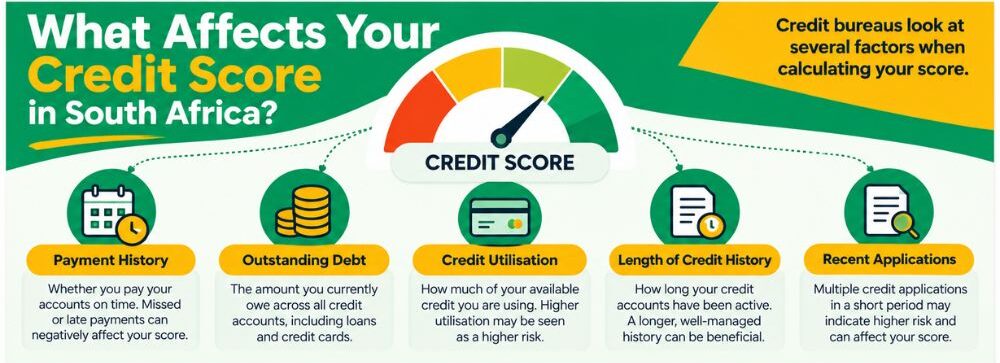
They calculate your credit score using factors like:

  • Payment history
  • Credit usage
  • Length of credit history
  • Types of credit accounts
  • New credit applications

These factors are analysed to produce a score that helps lenders assess your level of risk.


What Defines a Low Risk Credit Score?

A “low risk” credit score typically falls in the higher score ranges, meaning you have demonstrated responsible credit behaviour over time.

While ranges can vary slightly by bureau, generally:

  • 650+ → Good
  • 700+ → Very good
  • 750+ → Excellent / low risk

The higher your score, the more confidence lenders have in your ability to repay debt.


Credit Score Ranges in South Africa

Credit scores in South Africa are typically divided into ranges that indicate your level of credit risk. Although each credit bureau may use slightly different scoring models, the categories below are widely used as a general guide.

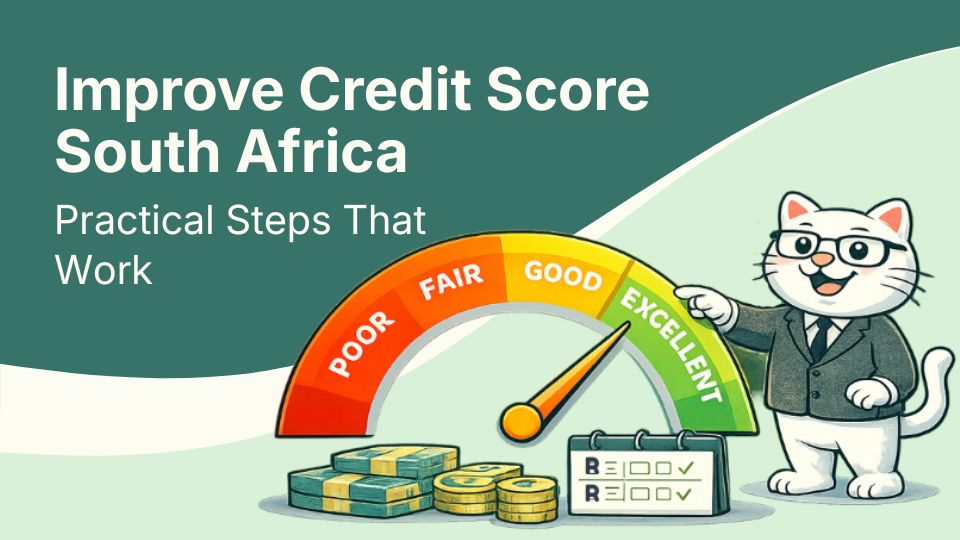
Score Range Rating Risk Level
300–499 Very Poor Very high risk
500–599 Poor High risk
600–649 Fair Medium risk
650–699 Good Low risk
700+ Excellent Very low risk

Understanding where your score falls can help you better assess your financial position and improve your chances of qualifying for favourable credit terms.


Factors That Contribute to a Low Risk Rating

Your credit score is influenced by several key behaviours:

  • Consistent on-time payments
  • Low credit utilisation (using a small portion of your available credit)
  • A mix of credit types (cards, loans, etc.)
  • Long credit history

Additional positive signals include:

  • Stable income
  • Limited new credit applications

Together, these build a strong and reliable credit profile.


What Can Lower Your Credit Score?

Your credit score can drop if you:

  • Miss or delay payments
  • Max out your credit cards
  • Apply for multiple loans in a short period
  • Close old accounts
  • Default on accounts

Even small mistakes can have a noticeable impact over time.


Benefits of Having a Low Risk Credit Score

Easier Approval for Loans and Credit

With a low risk credit score, lenders are more likely to approve your applications quickly.

This applies to:


Lower Interest Rates and Better Terms

A strong credit score can save you money.

You may qualify for:

  • Lower interest rates
  • Reduced fees
  • More flexible repayment options

Over time, this can significantly reduce the total cost of borrowing.


How to Achieve and Maintain a Low Risk Credit Score

Building a strong credit score takes consistency.

Key habits to focus on:

  • Pay bills on time
  • Keep credit usage low
  • Limit new credit applications
  • Check your credit report regularly
  • Maintain older accounts

You can also check your credit score for free to track your progress.

How Long Does It Take to Improve Your Credit Score?

Improving your credit score doesn’t happen overnight.

  • Small improvements: 1–3 months
  • Moderate improvements: 3–6 months
  • Major improvements: 6–12+ months

Consistency is key—lenders want to see stable behaviour over time.


Additional tips:

  • Avoid maxing out credit cards
  • Only take on debt you can afford
  • Use a mix of credit responsibly

Common Misconceptions About Credit Scores

Many people misunderstand how credit scores work.

Myth 1: Checking your score lowers it

False — checking your own score is a soft inquiry.

Myth 2: Closing old accounts improves your score

False — it can actually shorten your credit history.

Myth 3: High income = high credit score

False — your behaviour matters more than income.

Myth 4: Carrying a balance helps your score

False — paying in full is better.


What Does NOT Affect Your Credit Score

Some factors don’t directly impact your score:

  • Employment history
  • Income level
  • Age

Lenders may consider these separately, but they are not part of your credit score calculation.


Impact of Your Credit Score on Daily Life

Your credit score affects more than just loans.

It can influence:

  • Loan approvals
  • Interest rates
  • Rental applications
  • Insurance premiums

Good credit management gives you more financial flexibility and opportunities.


How Your Credit Score Influences Financial Opportunities

A strong credit score can help you:

  • Qualify for personal loans
  • Access higher credit limits
  • Secure better repayment terms

Explore personal loan options if you’re considering borrowing.


Long-Term Benefits of Good Credit Management

Maintaining a strong credit score over time can lead to:

  • Lower borrowing costs
  • Better financial security
  • Increased access to credit

It also helps you prepare for major financial goals like buying a home or starting a business.


Frequently Asked Questions About Credit Scores

1. What is a good credit score in South Africa?

A good credit score in South Africa is generally 650 or higher, although this can vary slightly depending on the credit bureau. Scores above 700 are considered very low risk and can help you qualify for better loan terms and lower interest rates.


2. What is considered a low risk credit score?

A “low risk” credit score typically falls in the higher score ranges. Borrowers in this range are seen as reliable and are less likely to default on payments.


3. How long does it take to improve your credit score?

Improving your credit score can take time depending on your situation:

  • Small improvements: 1–3 months
  • Moderate improvements: 3–6 months
  • Significant improvements: 6–12+ months

Consistency is key to long-term improvement.


4. What lowers your credit score the most?

The biggest factors that can lower your credit score include:

  • Missing or late payments
  • High credit utilisation
  • Applying for multiple loans in a short period
  • Defaulting on accounts

5. Does checking your credit score affect it?

No. Checking your own credit score is considered a soft inquiry and does not affect your score.


6. Can I get a loan with a low credit score?

Yes, but your options may be limited. You may face higher interest rates or stricter terms. Exploring loan options can help you understand what you qualify for.


Compare your loan options with FatCat Loans.

Conclusion

Understanding what a low risk credit score means is key to improving your financial future.

By building good habits, monitoring your credit, and avoiding common mistakes, you can:

  • Strengthen your credit profile
  • Access better financial opportunities
  • Reduce the cost of borrowing

Your credit score isn’t just a number—it’s a tool that can shape your financial life.

Credit Score Meaning South Africa: What It Is and Why It Matters

Introduction to Credit Score Meaning South Africa

Your credit score plays a major role in your financial life, especially when applying for loans or credit in South Africa. But what does it really mean? Understanding the credit score meaning South Africa helps you make smarter financial decisions and improve your chances of loan approval. Whether you’re planning to buy a car, apply for a personal loan, or even rent an apartment, your credit score reflects how reliable you are when it comes to repaying debt.

At FatCat Loans, we believe that everyone deserves access to fair, transparent lending. That’s why we’re here to help you understand your credit score meaning South Africa — and how you can take steps to build or repair it.

Key Highlights to Credit Score Meaning South Africa

→ Your credit score in South plays a significant role in determining your financial opportunities, including your chances of getting approved for a loan.

→ Your credit score is a three-digit number that ranges from 0 to 999, with higher scores being more favourable.

→ Factors that influence your credit score include payment history, credit utilisation, credit history length, and credit mix.

→ A good credit score in Africa is typically considered to be above 661, while a score below 610 is considered high risk.

→ You can improve your credit score by making timely payments, keeping your credit utilisation ratio low, and maintaining a good credit history.

→ It’s important to regularly check your credit score and take steps to improve it, as a higher score can lead to better financial opportunities.

Understanding Your Credit Score Meaning South Africa

Understanding your credit score is essential for maintaining your financial health in South Africa. Your credit score is a numerical representation of your creditworthiness and is based on a scoring system that evaluates various factors. These factors include your payment history, credit utilisation, credit history length, and credit mix. By understanding the components of your credit score, you can make informed decisions about your finances and work towards improving your creditworthiness.

In this blog, we will delve deeper into the credit score meaning South Africa and how they can impact your financial life. We will explore the factors that influence your credit score, decode the credit score ranges, and provide strategies to improve your credit score. By the end of this blog, you will have a better understanding of what your credit score truly means and how to manage it effectively.

The Basics of Credit Scores

Credit scores are three-digit numbers that help lenders assess your creditworthiness. In South Africa, credit scores range from 0 to 999, with higher scores indicating lower credit risk. These scores are calculated by credit bureaus, which compile records of your personal credit transactions on behalf of financial institutions. The credit bureaus consider factors such as your debt repayment history, the amounts owed, types of credit applied for, and the length of your accounts. Additionally, they assess how much of your available credit you’re using and whether there is any history of not honouring debt obligations. By considering these factors, credit bureaus assign you a credit score that reflects your creditworthiness and helps lenders make informed decisions about loan approvals.

How Credit Scores Affect Financial Opportunities

Your credit score has a significant impact on the financial opportunities available to you in South Africa. Lenders use credit scores to determine the level of risk associated with lending to you and make decisions about interest rates and loan approvals.

→ A higher credit score increases your chances of securing a favourable interest rate on loans, including home loans. This can result in significant savings over the life of the loan.

→ A low credit score may limit your financial opportunities and make it more challenging to obtain loans or credit at favourable terms.

Understanding the impact of your credit score on financial opportunities can motivate you to take steps to improve your creditworthiness.

Factors Influencing Your Credit Score

Several factors influence your credit score meaning South Africa. These factors include:

→ Payment history: Your payment history reflects your track record of making timely payments on credit accounts.

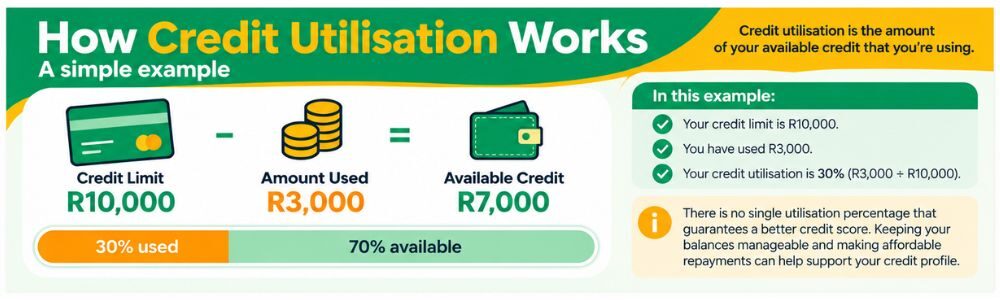
→ Credit utilisation: This refers to the percentage of your available credit that you are using. It is calculated by dividing your total credit card balances by your total credit limits. A lower credit utilisation ratio indicates that you are using a smaller portion of your available credit and is typically associated with a higher credit score.

→ Credit history length: A longer credit history demonstrates your experience in managing credit over time and provides lenders with a more comprehensive view of your financial habits. By maintaining a long-term credit history, you can build a positive credit reputation and increase your chances of obtaining favourable financial opportunities.

→ Credit mix: Credit mix refers to the different types of credit accounts you have, such as credit cards, loans, or mortgages. Having a diverse credit mix can positively impact your credit score and demonstrate your ability to manage various types of credit.

Understanding these factors can help you identify areas where you can improve your creditworthiness.

Decoding Credit Score Ranges in South Africa

In South Africa, credit scores are categorized into different ranges, each indicating varying levels of creditworthiness. Understanding these credit score ranges can help you evaluate your own credit score and assess your financial standing.

A good credit score in South Africa typically falls within the range of 661 to 780. A credit score within this range indicates that you are a low-risk borrower and demonstrates your ability to manage credit responsibly. Here’s a breakdown of the credit score ranges in South Africa:

Credit Score Range

Credit Score Category

781 to 850

Excellent

661 to 780

Good

610 to 660

Fair

500 to 610

Poor

300 to 499

Very poor

Having a good credit score can open up various financial opportunities, such as higher chances of loan approvals and better interest rates. It reflects your financial health and responsible credit management.

The Credit Score Meaning South Africa of a Bad Credit Score

A bad credit score in South Africa is typically considered to be below 610. A credit score in this range indicates a higher risk of defaulting on loans or not meeting financial obligations. It may also result in difficulty obtaining credit and may lead to being placed under debt review. A bad credit score can make it challenging to secure loans or credit on favourable terms and may limit your financial opportunities. It is important to take steps to improve your credit score if it falls in the bad credit score range in order to enhance your financial health and increase your chances of obtaining credit in the future.

Strategies to Improve Your Credit Score

Improving your credit score is a key step toward better financial health. By following the strategies below, you can strengthen your creditworthiness and improve your chances of accessing favourable financial opportunities.

Strategy Why It Matters Action Steps
Make timely payments Demonstrates responsible financial behaviour and builds trust with lenders. Late or missed payments can significantly lower your score. Pay all bills, loans, and credit card balances on time each month to show consistent reliability.
Keep credit utilisation low Using too much of your available credit can harm your score. Keeping your credit utilisation below 30% helps maintain a healthy ratio. Limit spending on credit cards and avoid maxing out available limits. Aim to pay balances in full monthly.
Avoid opening too many new accounts Multiple new credit applications can signal financial instability to lenders and temporarily reduce your score. Apply for new credit only when necessary and focus on managing existing accounts responsibly.
Manage debt wisely High debt levels can strain your finances and negatively affect your credit. Managing debt shows lenders you can handle financial commitments. Keep debt within manageable limits. If overwhelmed, consider professional debt counselling to regain control.
Monitor your credit report regularly Reviewing your credit report helps identify errors and track progress toward improving your score. Request a free credit report through FatCat Loans and check for accuracy or suspicious activity.

Click here to access a copy of your free credit report with FatCat Loans.

Navigating Credit Reports

Understanding how to navigate credit reports is crucial for interpreting the information and making informed financial decisions. A credit report contains your credit record, which includes information about your credit accounts, credit history, and credit score. Credit bureaus in South Africa compile and maintain these reports.
How to Obtain Your Credit Report

To obtain your credit report in South Africa, you can contact a credit bureau or use online services that provide free credit reports. These reports are essential for understanding your financial health, identifying any errors or discrepancies, and taking necessary steps to improve your credit score.

Interpreting the Information on Your Credit Report

Interpreting the information on your credit report can help you understand your credit history and credit score. It is important to review the details of your credit accounts, payment history, and any negative information. Understanding this information can help you make informed decisions to improve your credit score.

Learn more about your credit score meaning South Africa with FatCat Loans.

Credit Score Myths Debunked

There are several myths surrounding credit scores in South Africa. It is important to debunk these myths to have a clear understanding of how credit scores work and how they impact your financial health.

→ One common myth is that having no credit history is better than having a bad credit score. In reality, having no credit history can make it difficult for lenders to assess your creditworthiness.

→ Another myth is that checking your credit score will negatively impact it. However, checking your own credit score does not affect your credit score.

Common Misconceptions About Credit Improvement

There are common misconceptions about how to improve your credit score. One misconception is that closing a credit card account will improve your credit score. However, closing a credit card account can actually negatively impact your credit score, especially if it reduces your overall available credit.

Frequently Asked Questions About Your Credit Score Meaning South Africa

How Often Should I Check My Credit Score?

It is recommended to check your credit score meaning South Africa and credit report at least once a year to monitor your financial health and ensure the accuracy of the information. Regularly monitoring your credit score can help you identify any errors or fraudulent activity and take necessary steps to rectify them.

Can Paying Off Loans Early Improve My Credit Score?

Paying off loans early can have a positive impact on your credit score as it demonstrates responsible financial behaviour. However, it is important to note that paying off loans early may not have an immediate impact on your credit score. It is a long-term strategy that can contribute to improving your credit score over time.

Does Closing a Credit Card Account Affect My Credit Score?

Closing a credit card account can potentially affect your credit score, especially if it reduces your overall available credit. It is important to consider the impact on your credit utilisation ratio before closing a credit card account. However, if the credit card has a high annual fee or you’re struggling to manage it responsibly, closing the account may be the right decision for your financial well-being.

How Long Does Negative Information Stay on My Credit Report?

Negative information, such as late payments or defaults, can stay on your credit report for up to five years in South Africa. However, the impact of negative information on your credit score may diminish over time, especially if you have a consistent record of responsible credit management.

Conclusion — Understanding Your Credit Score Meaning South Africa

Understanding your credit score meaning South Africa is key to achieving long-term financial stability. Your score reflects how responsibly you manage debt — with factors like payment history, credit utilisation, and credit mix playing major roles. By paying bills on time, keeping your balances low, and checking your credit report regularly, you can steadily improve your credit profile and open doors to better financial opportunities.

Don’t let myths or misinformation about credit hold you back. With the right financial habits and trusted support, building a strong credit score is entirely achievable.

At FatCat Loans, we’re here to help you every step of the way — whether you’re looking to understand your credit score, improve it, or apply for a loan that suits your situation.

👉 Ready to take control of your financial future?
Visit FatCat Loans today to explore smart loan options and practical tools that can help you strengthen your credit and secure the opportunities you deserve.

Which Banks Use TransUnion Credit Scores in South Africa?

Learn which banks use TransUnion in South Africa, how TransUnion credit scores affect loan approvals, and how to check and improve your credit profile.

Which Banks Use TransUnion in South Africa?

Updated April 2026

If you’re planning to apply for a mortgage, car finance, or any other type of credit in South Africa, your credit profile plays a key role.

Banks and lenders rely on credit bureaus to assess your application before approving any credit.

One of the main bureaus used by banks is TransUnion.

In this blog post, we’ll explore the role of credit bureaus in South Africa, understand how TransUnion fits into the financial landscape, and discover which banks use TransUnion for credit checks.


Key Highlights on Banks that use TransUnion

  • TransUnion is one of the main credit bureaus used by banks in South Africa for credit checks and assessing creditworthiness.
  • Other major credit bureaus in South Africa include Experian and XDS.
  • Understanding your credit report and credit score is important for obtaining credit from banks and other financial institutions.
  • Maintaining good credit rating involves paying bills on time, keeping credit utilization low, and monitoring your credit report regularly.
  • TransUnion offers unique services and an online experience that sets it apart from other credit bureaus in South Africa.
  • Several major banks in South Africa rely on TransUnion for credit checks and credit reporting.
  • Many banks in South Africa use this bureau to check your credit report and score when you apply for credit

Overview of Credit Reporting in South Africa

In South Africa, credit reporting is regulated under the National Credit Act and overseen by the National Credit Regulator. A credit report is a detailed record of an individual’s credit history and provides valuable information to lenders when assessing credit applications. Credit bureaus, such as TransUnion, Experian, and XDS, collect and consolidate credit information from various sources, including lenders and financial institutions, to create comprehensive credit profiles.

What Makes TransUnion Different?

TransUnion is one of the leading credit bureaus in South Africa and is widely used by banks and other financial institutions.

This bureau is widely used by banks and financial institutions in South Africa.

It provides access to your credit report and score, helping you monitor your financial profile and identify areas for improvement.

TransUnion provides individuals with access to their credit reports and credit scores, allowing them to monitor their credit status and identify any areas for improvement.

They also offer educational resources and financial advice to help individuals manage their credit more effectively. The user-friendly online platform makes it easy for individuals to access their credit information and stay informed about their credit profile.

TransUnion’s Services for Banks and Consumers

TransUnion provides a range of services for both banks and consumers in South Africa.

  • For banks, TransUnion offers credit reports and credit scores that enable them to make informed lending decisions. These reports and scores help banks assess an individual’s creditworthiness, determine appropriate credit limits, and manage risk effectively.
  • For consumers, TransUnion provides access to credit reports and credit scores, allowing them to monitor their credit status and take steps to improve their credit profile. A good credit score can increase the chances of being approved for credit, such as credit cards or loans, and may result in more favourable terms.

Major Banks in South Africa and Their Credit Bureau Preferences

Banks choose specific credit bureaus based on several factors. While each bank may have its own specific preferences, TransUnion is a widely used credit bureau in the country. Here are factors that affect banks’ credit bureau preferences:

  • Availability and accuracy of credit information: Credit bureaus like TransUnion provide extensive credit data which banks can use to assess an individual’s creditworthiness.
  • Reliability and reputation of the credit bureau: Banks prefer to work with credit bureaus that have a proven track record of providing accurate and reliable credit information.
  • User-friendly online platforms and customer support services provided by credit bureaus can also influence bank preferences.

Overall, banks choose specific credit bureaus that meet their requirements for accurate data, reliable services, and ease of use.


Banks That Use TransUnion for Credit Checks

Banks known to use TransUnion in South Africa include:

  • Absa
  • Standard Bank
  • Nedbank
  • African Bank
  • Capitec (in some cases)

Several South African banks rely on TransUnion for credit checks and credit reporting. TransUnion’s extensive credit database and accurate credit information make it a preferred choice for many banks. By using TransUnion’s services, banks can assess an individual’s creditworthiness, determine appropriate credit limits, and manage risk effectively. Major banks such as Absa, Standard Bank, and Nedbank are known to use TransUnion for credit checks and credit reporting.


How TransUnion Affects Your Loan and Credit Card Applications

How Banks Use Your TransUnion Credit Score

TransUnion plays a significant role in loan and credit card applications. When you apply for a loan or credit card, the bank or financial institution will typically request your credit report and score from TransUnion. These credit report and score details provide crucial information about your creditworthiness and help the bank assess the level of risk involved in extending credit to you. A good credit score increases your chances of approval and may result in better interest rates and terms.


Understanding Your Credit Score and Its Importance

Why Your Credit Score Matters When Applying for Credit

Your credit score plays a crucial role in your financial life, especially when it comes to applying for credit. It is a three-digit number that reflects your creditworthiness and the likelihood of you repaying your debts. Banks and lenders use your credit score to assess your creditworthiness before approving your credit applications, such as credit cards, home loans, and vehicle finance.

A good credit score is vital if you want to secure the best credit terms and interest rates. It demonstrates to lenders that you are a responsible borrower who is likely to make repayments on time. A higher credit score also gives you more options when it comes to accessing credit and can help you negotiate better terms.

Your credit score is one of the main factors lenders may review when assessing your application.

In South Africa, your credit score is calculated based on your credit behaviour, including how you manage each type of credit and how active your accounts are, including whether accounts are paid in full, your repayment history, and the information reported by lenders to the National Credit Regulator. Credit bureaus like TransUnion use this data to determine your credit risk profile.


Tips for Improving Your Credit Score

Improving your credit score is possible with some strategic financial management. Here are some tips to help you improve your credit score:

  • Make your debt repayments on time: Late or missed payments can negatively impact your credit score. Set up automatic payments or reminders to ensure you never miss a payment.
  • Maintain a low credit utilization ratio: The credit utilization ratio is the percentage of available credit you are using. Aim to keep it below 35% to show lenders that you are not overly reliant on credit.
  • Pay off outstanding debts: If you have any outstanding judgements or administration orders, take immediate steps to repay the outstanding amounts in full. This can improve your credit profile.
  • Diversify your credit mix: Having a mix of different types of credit, such as home loans, vehicle finance, service contracts, and credit cards, can show lenders that you can manage various types of debt responsibly.
  • Limit new credit applications: Too many credit applications can indicate financial distress or frequent changes in circumstances. Limit new credit applications to maintain a stable credit history.

Navigating Credit Reports and Scores with TransUnion

How Your TransUnion Credit Report Works

TransUnion provides comprehensive credit reports and scores that can help you navigate and understand your credit health. These reports consolidate information in your credit profile from various sources, including lenders and other credit providers. By accessing your TransUnion credit report, you can gain insights into your credit history, including your payment history, accounts, and any outstanding debts. Understanding your credit report and score is crucial for improving your credit score and making informed financial decisions.

How to Access Your TransUnion Report

Accessing your TransUnion credit report is a simple process, and South Africans can do it for free once a year. Here are the steps to access your TransUnion credit report:

  • Visit the TransUnion website or call their customer service hotline.
  • Request your free credit report.
  • Provide the necessary identification and personal information.
  • TransUnion will verify your identity and provide you with access to your report.
  • Review your report carefully, checking for any inaccuracies in the information in your credit report or potential identity theft.
  • If you find any errors, contact TransUnion immediately to dispute the information.

Interpreting Your Credit Score

Interpreting your credit score is essential for understanding your credit health. Your credit score is a numerical representation of your creditworthiness and can range from 0 to 999, depending on the scoring model used. A higher credit score indicates a lower risk borrower, while a lower credit score suggests a higher risk borrower.

A good credit score falls within the range of 600 to 999, showing lenders that you are a responsible borrower. A low credit score, on the other hand, can make it challenging to access credit or secure favourable terms. If you have a low credit score, it’s important to take steps to improve it by making debt repayments on time, reducing your credit utilization, and addressing any outstanding debts.

Learn which banks use TransUnion in South Africa with FatCat Loans.


Conclusion

In conclusion, understanding which banks use TransUnion in South Africa can significantly impact your financial decisions. TransUnion plays a pivotal role in credit reporting, affecting loan approvals and credit card applications. By familiarizing yourself with the credit reporting practices of major banks and optimizing your credit score, you can enhance your financial standing. Accessing your TransUnion report and interpreting your credit score are crucial steps in improving your creditworthiness. Stay informed about credit bureaus’ relationships with banks to make informed choices that benefit your financial health.


Frequently Asked Questions

Which bank is easiest to get a loan from in South Africa?

The ease of getting a loan from a bank in South Africa can vary depending on various factors, including your creditworthiness and financial circumstances. It’s best to approach multiple banks and compare their loan terms and interest rates to find the best option for your needs.

How often do South African banks update credit scores?

South African banks update credit scores regularly to reflect changes in individuals’ credit status. The frequency of updates can vary between banks but is typically done monthly or quarterly. It’s important to regularly check your credit score to stay informed about your credit health.

Can I dispute a credit report error with TransUnion directly?

Yes, you can dispute a credit report error with TransUnion directly. If you find any inaccuracies or potential identity theft in your credit report, contact TransUnion immediately to initiate the dispute process. TransUnion will investigate the disputed information and make any necessary corrections.

What to do if your bank doesn’t use TransUnion?

If your bank doesn’t use TransUnion, it’s still important to monitor your credit and explore other credit options. There are other credit bureaus in South Africa, such as Experian and XDS, that banks may use. You can access your credit reports from these bureaus to stay informed about your credit health.

How does a bank’s choice of credit bureau affect you?

A bank’s choice of credit bureau can impact your credit rating and the credit options available to you. Each credit bureau may have different information and scoring models, leading to variations in credit scores and assessments. It’s important to be aware of the credit bureaus used by your bank to understand how it may affect your credit profile.

Are there benefits to choosing a bank that uses TransUnion?

Choosing a bank that uses TransUnion can have benefits for your credit report. TransUnion is one of the main credit bureaus in South Africa, and having your credit information with an established bureau can provide you with comprehensive and reliable credit reports. This can help you monitor your credit health and make informed financial decisions.

How can I find out which credit bureau my bank uses?

To find out which credit bureau your bank uses, you can contact the bank’s customer service or visit their website. They will be able to provide you with information about the credit bureau they use to assess credit applications and determine your creditworthiness. You can also check your credit history from multiple credit bureaus to get a comprehensive view of your credit health.

What steps should I take if my credit score from TransUnion is low?

If your credit score from TransUnion is low, there are steps you can take to improve your credit. Start by making debt repayments on time, reducing your credit utilization, and addressing any outstanding debts. Regularly monitoring your credit report and score can help you track your progress and identify areas for improvement.

What is a good TransUnion credit score in South Africa?

A good TransUnion credit score in South Africa typically ranges between 650 and 999. The higher your score, the lower the risk you present to lenders, which may improve your chances of being approved for loans or credit cards.

Do banks use TransUnion in South Africa?

Yes, many banks in South Africa use TransUnion as one of the credit bureaus for credit checks. When you apply for credit such as a personal loan, vehicle finance, or a credit card, banks may request your TransUnion credit report and TransUnion credit score to assess your creditworthiness. However, some lenders may also use other credit bureaus such as Experian or XDS.

Debt Review Loans: 7 Safe Ways to Handle an Emergency

Need a loan urgently while under debt review? Discover essential tips on our blog for getting the financial assistance you need.

Debt Review Loans

Updated March 2026

Important: Legitimate lenders generally cannot offer new credit while you are under debt review. This guide explains your safest options and alternatives.

Facing a sudden money crisis while under debt review can feel frightening. Bills can pop up without warning—like a medical emergency or a car repair—and you may feel stuck because most lenders won’t consider your application. Still, needing an urgent loan while under debt review doesn’t mean you’re out of hope. Many South Africans deal with the same stress every day.

The truth is, there are safe and legal ways to handle emergencies during debt review. You just need to understand your options, the law, and the risks involved. When you know what steps to take, you can protect yourself from scams, avoid dangerous lenders, and make smarter financial decisions. The goal of debt review is to help you regain control, not trap you—so knowing your choices makes the process far less stressful.

Are Debt Review Loans Available in South Africa?

Many people search for **debt review loans** when facing a financial emergency. However, under the National Credit Act (NCA), registered lenders are generally not allowed to offer new credit to consumers who are currently under debt review.

This rule exists to protect borrowers from taking on additional debt while they are already in a structured repayment process.

Because of this restriction, legitimate banks and lenders usually cannot approve a new loan while you are under debt review. Instead, the safest approach is to explore emergency alternatives or speak with your debt counsellor about possible solutions.

Key Highlights on Ways to Get an Urgent Loan While Under Debt Review

  • Taking out new credit during debt review is not advised and often not allowed.

  • Debt review, introduced by the National Credit Act (NCA), restricts reputable lenders from giving you credit.

  • If you need money urgently, you may encounter informal lenders or pawn-based loan options.

  • Non-traditional lenders often charge high fees and may be unsafe.

  • It’s wiser to finish the debt review process and settle existing debt before seeking new credit.

Understanding Debt Review and How It Limits Your Loan Options

What Is Debt Review?

Debt review is a legal process that protects over-indebted South Africans. It was created by the NCA to help people who cannot manage their existing debt. A registered debt counsellor reviews your finances, negotiates with creditors, and builds an affordable repayment plan. This plan becomes legally binding once the court approves it.

When your plan is approved, your debt counsellor helps you stay on track. Monthly payments become structured and predictable. Over time, this creates financial stability and gives you a path toward becoming debt-free.

Why Debt Review Blocks New Credit

Once you enter debt review, your credit profile is updated. Lenders can clearly see your status, which tells them you’re already struggling with repayments. Because of this, approving a new loan becomes too risky for them. By law, they cannot offer you new credit.

This makes it extremely difficult to get an urgent loan while under debt review, even if your emergency is genuine. The entire system is designed to stop additional debt so your situation doesn’t worsen.

How Debt Review Affects Your Chances of Getting a Loan

Debt review changes the way lenders view you. Your credit report shows that you’re under financial stress, and most institutions will not approve new loans. Their job is to assess your ability to repay, and taking on new debt while under pressure increases the risk of default.

This is why many people under debt review are denied credit immediately. Even small loans become difficult to access. While this may feel restrictive, it also protects you from falling deeper into debt.

If you are exploring ways to simplify your finances after debt review, you may want to learn how debt consolidation works in South Africa.

How to Improve Your Chances of Getting Credit After Debt Review

Getting a traditional loan while under debt review is nearly impossible. However, some alternative financing options exist. Each one comes with benefits and risks, so it’s important to proceed carefully.

1. Peer-to-Peer Lending

Some platforms connect lenders and borrowers directly. The requirements may be more flexible, but approval is not guaranteed. Interest rates can vary, and you must read the terms carefully.

2. Private or Informal Lenders

Some people turn to private lenders when in crisis. Unfortunately, many of these lenders operate without regulation. They may charge extreme fees or hold your ID, bank card, or personal belongings—practices that put you at risk.

3. Loan Sharks

These lenders target people in desperate situations. Their loans often come with high fees, intimidation, and unsafe repayment conditions. Using a loan shark can damage your financial stability and personal safety.

If you consider any non-traditional option, research the lender carefully, check their registration status, and make sure you understand every fee and term before moving forward.

4. Speak to Your Debt Counsellor

Your debt counsellor understands your financial situation better than anyone else. If an emergency arises, they may be able to adjust your repayment plan temporarily or help you explore safer options that won’t jeopardise your debt review process.

5. Negotiate Payment Extensions

If your urgent expense involves an existing bill—such as medical costs, school fees, or utilities—contact the provider directly. Many companies are willing to offer temporary payment arrangements or extensions during financial hardship.

6. Consider Crowdfunding or Community Support

Crowdfunding platforms or support from friends and family can help you raise emergency funds without taking on new debt. While this option may not work for every situation, it can provide relief without violating debt review rules.

7. Focus on Completing Debt Review

The most reliable path to accessing credit again is finishing your debt review successfully. Once you receive a clearance certificate, lenders can reassess your credit profile and you may qualify for new financial products again.

Realities of Securing an Urgent Loan While Under Debt Review

It’s tempting to seek a quick loan during a crisis, but this choice can create serious problems. Extra debt can worsen your financial position and may even lead to legal trouble. Risky lenders frequently charge high interest rates and trap borrowers in a cycle of dependency.

Before accepting any loan offer, do the following:

  • Read the contract carefully.

  • Check whether the lender is registered with the National Credit Regulator.

  • Confirm all fees.

  • Decide whether the repayment plan is realistic.

Small decisions made in a rush can have long-term consequences, so take time to evaluate every option.

Legal Considerations and Safeguards to Protect You

The NCA ensures that consumers receive fair treatment. It regulates lenders, sets clear rules for interest rates, and outlines how debt review must work.

Here’s what you should know:

  • Lenders must follow responsible lending practices.

  • All credit providers must be registered.

  • Borrowers have the right to ask for full disclosure of fees.

  • No lender may approve credit if you cannot afford it.

Understanding these rights helps you avoid illegal lenders and protects you if you ever feel pressured into taking a loan.

The Legal Framework Surrounding an Urgent Loan While Under Debt Review

The legal process behind debt review exists to protect you from taking on more debt than you can manage. When the court approves your repayment plan, both you and your creditors must follow it. This legal protection also limits your ability to apply for credit.

If you ever consider seeking an urgent loan while under debt review, remember that doing so can violate the terms of your agreement. This can lead to complications and delays in completing the debt review fully. Speaking with a debt counsellor or legal advisor can help you avoid these issues.

How to Protect Yourself From Predatory Lenders

Some lenders target people who feel desperate. They use aggressive tactics and charge extremely high fees. Here’s how to avoid them:

  • Research every lender.

  • Avoid anyone who wants your bank card or PIN.

  • Do not sign contracts you don’t fully understand.

  • Ask your debt counsellor before agreeing to anything.

If something feels wrong, trust your instincts and walk away.

How to Improve Your Chances of Getting Credit After Debt Review

Although getting a loan during debt review is difficult, you can take steps to improve your overall financial health. Once you complete the debt review process, these improvements can help you qualify for credit again.

Steps to Strengthen Your Profile

  • Pay existing debts on time.

  • Keep your financial documents organized.

  • Avoid unnecessary spending.

  • Review your credit report for errors.

These habits show lenders that you take your commitments seriously.

Improving Your Financial Profile and Creditworthiness

A stronger financial profile increases your chances of getting approved for credit later. Here’s how to build one:

  • Reduce your debt where possible.

  • Maintain up-to-date bank statements.

  • Monitor your credit score regularly.

  • Demonstrate long-term stability with consistent payments.

Small improvements can make a big difference over time.

Communicating With Your Debt Counsellor About Your Needs

If you urgently need money, don’t hide it. Talk to your debt counsellor. They can help you evaluate whether taking on additional debt makes sense—or if there are safer alternatives. Open communication protects your progress and helps you make informed choices.

Your counsellor can also guide you toward safer assistance methods that won’t jeopardise your debt review status.

Apply for Urgent Loan While Under Debt Review with FatCat Loans

Conclusion

Managing finances during debt review can be challenging, especially when an emergency strikes. But with the right information, patience, and support, you can handle the situation safely. Explore alternative options carefully, protect yourself from predatory lenders, and focus on strengthening your financial profile.

Debt review is designed to give you a fresh start. Stay committed to the process, communicate openly with your counsellor, and take small steps toward financial recovery. A better financial future is possible when you make informed, cautious decisions.

FAQs About Getting a Loan While Under Debt Review

Can I legally get a loan while under debt review?

No. The NCA prevents lenders from giving new credit to anyone under debt review.

What happens if I take a loan during debt review?

You may face legal action, damage your credit score, and disrupt your debt review progress.

Are there lenders who offer an urgent loan while under debt review?

Legitimate lenders do not offer loans to people under debt review.

How can I improve my chances of loan approval after debt review?

Pay debts on time, follow your repayment plan, and work closely with your debt counsellor.

What should I do if I’m denied a loan while under debt review?

Consult your debt counsellor or financial advisor for guidance and safer alternatives.

Can I apply for a loan after completing debt review?

Yes. Once you receive a clearance certificate from your debt counsellor, lenders can reassess your credit profile. At this point, you may qualify for personal loans or other credit products again.

Ready to Take Control of Your Finances? FatCat Loans Can Help

Even if finding an urgent loan while under debt review isn’t possible, you’re not alone. FatCat Loans helps South Africans navigate financial challenges safely. Our team is ready to guide you, explain your options, and support you every step of the way.

👉 Reach out to FatCat Loans today — your financial stability starts with one smart decision.

How to Start a Cleaning Company in South Africa: Step-by-Step Guide

Thinking of starting a cleaning company in South Africa? This step-by-step guide covers everything you need to launch confidently — from registration and essential documents to equipment, startup costs, and hiring. You’ll also learn how to market your services, get your first clients, and grow your business over time with practical, real-world tips.

How to Start a Cleaning Company in South Africa

Starting a cleaning company in South Africa can be one of the most practical small business moves you make — especially if you want consistent demand and low startup barriers. Whether you’re targeting residential clients, commercial contracts, or even government tenders, there are real opportunities if you set things up properly from day one.

For many people, the biggest challenge is the upfront cost. Cleaning equipment, transport, uniforms and supplies can add up quickly before you’ve even landed your first long-term clients. That’s why some entrepreneurs use a personal loan to cover startup expenses and get the business earning faster. If you’re exploring funding options, you can view FatCat’s personal loan options here.

This guide breaks down everything you need to start your cleaning company step-by-step — including registration, equipment, setup, and how to grow.

Quick Highlights (What You’ll Learn)

  • What you need to register a cleaning company legally

  • How to choose your cleaning niche (residential vs commercial)

  • Startup equipment checklist and cost planning

  • How to register for tenders and business compliance

  • Marketing tips for winning your first clients

  • How personal loans can help you launch sooner

Understanding the Cleaning Industry in South Africa

The cleaning industry is one of South Africa’s most stable service sectors because cleaning is a recurring necessity — for homes, offices, retail stores, medical facilities, and schools.

Why Cleaning Businesses Can Be Profitable

Cleaning companies can grow steadily because:

  • recurring clients create predictable income

  • commercial contracts can scale quickly

  • startup costs are lower than many other businesses

  • government tenders can offer larger long-term opportunities

If you eventually want to work with government departments, you’ll need to register on the Central Supplier Database (CSD).

Key Market Trends in the Cleaning Sector

Here’s what’s currently shaping the industry:

1) Businesses are outsourcing cleaning more than ever

Instead of hiring in-house staff, many companies outsource cleaning to contractors.

2) Eco-friendly cleaning is growing fast

Clients increasingly prefer non-toxic, environmentally-friendly solutions.

3) Compliance matters more

Commercial clients and tenders often require:

  • company registration

  • tax clearance

  • proof of banking

  • staff compliance

This is why it helps to build a strong foundation early — even if you’re starting small.

Before You Start: Decide Your Cleaning Niche

One of the first choices is whether you’ll focus on residential cleaning or commercial cleaning.

Residential Cleaning (Best for Starting Small)

Residential cleaning tends to be easier to start with because:

  • clients are easy to reach through local communities

  • jobs are smaller and flexible

  • you can start as a one-person business

Commercial Cleaning (Higher Income, Bigger Requirements)

Commercial cleaning may offer higher income through contracts, but often requires:

  • staff and supervision

  • transport and equipment

  • compliance paperwork

Many cleaning businesses start with residential clients and expand into commercial work once they have steady cash flow.

Equipment and Resources Needed to Start

Your equipment list depends on your niche, but here’s a solid starter checklist.

Essential Cleaning Supplies

  • mop, bucket and broom

  • vacuum cleaner

  • disinfectant and multipurpose cleaner

  • glass cleaner

  • microfibre cloths

  • gloves and masks

  • refuse bags

  • step ladder (for windows)

  • uniforms or branded shirts

Commercial Add-ons (If You’re Targeting Contracts)

  • industrial vacuum

  • floor buffer / scrubber

  • bulk cleaning chemical supply

  • transport for staff and equipment

✅ If equipment costs are holding you back, some entrepreneurs choose a short-term funding option like a personal loan for business expenses, provided the repayments fit their projected cash flow.

Step-by-Step Guide: How to Start a Cleaning Company in South Africa

Step 1: Create a Simple Business Plan

Your business plan doesn’t need to be complicated, but it should cover:

  • your services and pricing

  • who your target market is

  • how you’ll find clients

  • startup costs and monthly expenses

  • income goals

If you’re applying for funding, having a clear plan also helps you borrow responsibly — especially if you’re considering a small personal loan to cover startup expenses.

Step 2: Register Your Company with CIPC

Registering with the Companies and Intellectual Property Commission (CIPC) gives your business credibility and allows you to operate legally.

You can register online directly on the CIPC website.

Step 3: Get the Licenses and Permits You Need

Most cleaning businesses don’t need special licences, but depending on your services you may need:

  • municipal permits (if required in your area)

  • waste disposal compliance

  • health certificates (if cleaning food-related premises)

If you want to apply for government work, register on the Central Supplier Database (CSD).

Step 4: Set Up Your Financial Infrastructure

To avoid cash flow problems early on:

  • open a business bank account

  • keep your invoices and receipts organised

  • set up a system for tracking payments

  • register with SARS and stay tax compliant

You can learn more about tax registration and compliance on SARS.

Step 5: Purchase the Right Cleaning Equipment

Buy only what you need for your first clients, and grow from there. A common mistake is overspending early.

If you’re doing office cleaning, invest in durable equipment. If you’re doing residential work, focus on portable and flexible tools.

Step 6: Hire and Train Your Team (When You’re Ready)

If you plan to hire staff, you’ll need to understand basic compliance such as:

  • UIF registration

  • minimum wage rules

  • contracts

  • workplace safety

  • COID (Compensation for Occupational Injuries and Diseases)

Training matters because your business reputation depends on reliability and quality.

Step 7: Market Your Cleaning Services Effectively

Marketing is what fills your calendar. These are the best channels for cleaning businesses:

Start with:

✅ Facebook Marketplace
✅ WhatsApp community groups
✅ Google Business Profile
✅ Local flyers and referrals
✅ Posting before-and-after photos on social media

If you’re targeting commercial clients, build a basic company profile PDF and email it to:

  • office parks

  • restaurants

  • schools

  • retail stores

And don’t underestimate reviews — even 5 strong Google reviews can drive more calls than paid ads.

How to Grow Your Cleaning Business

Once you’re earning consistently, the next step is scaling. Growth usually comes from:

  • adding staff

  • offering specialised services (carpets, deep cleans, windows)

  • expanding into nearby suburbs or towns

  • securing contracts and tenders

Some business owners reinvest profits, while others choose funding options like a personal loan to upgrade equipment or take on larger contracts sooner. If you’re looking into that, FatCat Loans has a full breakdown of personal loan options.

Learn more about how to start a cleaning company in South Africa with FatCat Loans.

Conclusion

Starting a cleaning company in South Africa is a realistic business opportunity with strong demand across both residential and commercial markets. The key is doing the basics properly: choose your niche, register your business, stay tax compliant, and market consistently.

If you already have clients lined up but need equipment and startup capital, using a personal loan responsibly can help you start faster and begin earning sooner — as long as repayments fit your budget.

Frequently Asked Questions

How much money do you need to start a cleaning business in South Africa?

A small home-based cleaning business can start from around R10,000 to R30,000 depending on equipment and supplies. If you’re targeting commercial work, costs can range from R50,000 to R300,000 depending on scale.

Can I run a cleaning business from home?

Yes. Many cleaning businesses start from home, especially in the first year. Just ensure you keep proper records, separate business finances, and comply with local regulations if required.

Can I use a personal loan to start a cleaning company?

Yes — many entrepreneurs use a personal loan to cover startup costs like equipment, uniforms, and transport. The most important part is borrowing responsibly and ensuring repayments fit your projected income.

Disclosure:  This article is for informational purposes only and does not constitute financial advice. Loan terms, rates, and eligibility vary by lender and province. FatCat Loans is a loan comparison platform, not a lender. Always review lender agreements carefully before accepting a loan.

Startup Business Loans South Africa: Complete Funding Guide for 2026

This complete 2026 guide explains start-up business loans in South Africa, covering funding options, eligibility requirements, interest rates, approval timelines, and how new businesses can access financing to grow and succeed.

Introduction To Startup Business Loans South Africa

Updated January 2026

If you’re dreaming of launching a new venture, you may have already discovered that getting startup business loans South Africa can be challenging — especially when your business is still new, unregistered, or has no trading history yet. But the good news is that several funding options exist for entrepreneurs, from government support to private lenders, and even personal loans when business credit isn’t available.

This guide explains how to get startup funding, where to apply, what documents you need, and how FatCat Loans can help you access the financial support required to turn your idea into a real business.

And if you’re looking for online borrowing options, you may also find our Quick Online Loans South Africa helpful as it explains how digital loan platforms work across South Africa.

What Are Startup Business Loans South Africa?

Startup business loans are financial products designed for people who want to start a new business but don’t yet have:

  • Business credit
  • Cash flow
  • Trading history
  • Collateral

Traditional banks rarely fund early-stage startups, which is why entrepreneurs often explore alternative lenders, government grants, development funding, or personal loans to kick-start their business.

Why Startup Funding Is Difficult to Access

Banks and lenders see new businesses as higher risk because they don’t have:

  • Proven revenue
  • Financial statements
  • Stable customers
  • Business assets

This doesn’t mean you can’t get funding — it just means you need to apply through the right channels, prepare good documentation, and understand your options.

Where to Get Startup Business Loans South Africa

Here are the most trusted and realistic sources of funding for brand-new entrepreneurs:

1. Government Funding for Startup Businesses

South Africa has several funding organisations designed specifically for small and medium-sized businesses.

SEDA – Small Enterprise Development Agency

SEDFA offers:

  • Training
  • Mentorship
  • Business planning support
  • Access to funding networks

While SEDA does not offer loans directly, they help entrepreneurs prepare funding proposals and improve approval chances.

SEFA – Small Enterprise Finance Agency

SEDFA provides:

  • Micro loans (R500 – R50,000)
  • SME loans (up to R5 million)
  • Asset finance
  • Working capital

SEFA is one of the best-known sources of startup business loans South Africa, especially for entrepreneurs with limited collateral or credit history.

NYDA – National Youth Development Agency

For entrepreneurs aged 18–35, funding includes:

  • Grants up to R200,000
  • Training
  • Mentorship
  • Business tools

NYDA is ideal for young business owners, particularly in creative, digital, and community-focused industries.

2. Private Lenders for Startup Funding

Most private credit providers require a business to be trading for at least 6–12 months, but some offer small loans to help entrepreneurs start up.

However, rates may be higher, and approval depends on personal affordability and credit score.

This is where many entrepreneurs prefer using personal loans to fund early business expenses such as:

  • Stock
  • Equipment
  • Renting a workspace
  • Online tools
  • Marketing
  • Transport
  • Business registration fees

3. Use Personal Loans to Start Your Business

Many South Africans fund new businesses with personal loans because:

  • They are easier to qualify for
  • No business history is required
  • You can use the money for any business purpose
  • Approval is fast (often 24–48 hours)

This is where FatCat Loans helps entrepreneurs succeed.

How FatCat Loans Helps Entrepreneurs

FatCat Loans is a loan comparison platform, not a lender. We help you find safe, responsible personal loans that can be used to start or grow your new business.

Why Entrepreneurs Choose FatCat Loans:

  • Compare multiple lenders instantly
  • One simple online application
  • Only NCR-registered credit providers
  • Fast approvals
  • No obligation to accept an offer

Whether you need R5,000 to buy stock or R50,000 to launch a new idea, a personal loan may be the fastest way to get started.

Compare personal loans with FatCat Loans

4. Business Angels & Investors

Some entrepreneurs choose private investors. These investors may provide:

  • Funding
  • Industry knowledge
  • Mentorship
  • Growth support

But investors usually take equity in your business and prefer ideas with long-term scalability.

5. Crowdfunding for Startups

Platforms like Thundafund allow South Africans to raise funding through community support.

Good for:

  • Creative projects
  • Social businesses
  • Small product launches

Requirements for Startup Business Loans South Africa

Most lenders require:

  • South African ID
  • Proof of income
  • Business plan
  • 3–6 months’ bank statements
  • Proof of address
  • Budget/financial forecast

Government agencies like SEDA and SEFA also require a detailed business plan.

If you want to register a business first, visit:
🔗 CIPC (Company Registration):

How to Increase Your Chances of Getting Startup Funding

✔ Check Your Credit Score

Visit Transunion

Lenders normally check your personal credit score when your business has none.

✔ Start Small and Grow

Instead of asking for R500,000 immediately, start with manageable expenses and scale.

✔ Keep a Clean Bank Account

Avoid unpaid debit orders or negative balances — these reduce approval chances.

✔ Write a Simple, Clear Business Plan

Include:

  • What you sell
  • Who your customers are
  • Start-up costs
  • Profit margins
  • Monthly budget

SEDA offers free help for this.

✔ Don’t Apply at Too Many Places

Multiple loan applications harm your score. Rather use a comparison platform like FatCat Loans.

Alternative Ways to Fund a Startup

If startup business loans are too hard to access, these alternatives can help:

1. Personal Loans

Fastest and easiest way to begin.

2. Debt Consolidation

Reduce monthly payments to free up cash for your business.

3. Side Income

Many entrepreneurs start part-time before going full-time.

4. Supplier Credit

Some wholesalers allow you to buy now and pay later once stock sells.

5. Partnerships

Team up with someone who has capital or equipment.

You may also find it helpful to read our guide on How to Make Quick Money in Johannesburg — perfect for entrepreneurs looking to boost their income before applying for funding.

Click here to apply for startup business loans South Africa with FatCat Loans.

Frequently Asked Questions (FAQs) About Startup Business Loans South Africa

Can I get startup business loans South Africa without trading history?

Yes — through government agencies like SEFA and NYDA, or through personal loans.

Does FatCat Loans offer business loans?

No. FatCat Loans compares personal loans that many entrepreneurs use for startup costs.

Are government startup loans hard to get?

They require strong planning and documents, but thousands of entrepreneurs receive support each year.

What is the easiest way to fund a startup?

Personal loans are the fastest option since banks rarely fund brand-new businesses.

Do I need collateral for a startup loan?

Not always. NYDA and some SEFA programs do not require collateral.

How much funding can a new business get?

Amounts range from R500 to R5 million depending on the lender, your business plan, and affordability.

Conclusion: Your Startup Funding Journey Starts Here

Finding startup business loans South Africa can feel overwhelming, but you have many options — from government agencies to personal loans, investors, and private lenders. What matters most is choosing safe, responsible credit and avoiding unregistered lenders.

Whether you need a small amount to launch a side hustle or a bigger amount to fund stock or equipment, FatCat Loans is ready to help you compare trusted personal loan offers.

Start your business journey now:
Apply for personal loan quotes with FatCat Loans

Grow your dream. Build your future. Start today.

Disclosure:  This article is for informational purposes only and does not constitute financial advice. Loan terms, rates, and eligibility vary by lender and province. FatCat Loans is a loan comparison platform, not a lender. Always review lender agreements carefully before accepting a loan.

Loans for Blacklisted Consumers in South Africa

Being “blacklisted” doesn’t mean you’re permanently blocked from credit in South Africa — but it can make borrowing more difficult and expensive. This guide explains what lenders look at, the safest loans for blacklisted consumers, how to avoid scams, and practical steps to improve your approval chances.

What “Blacklisted” Actually Means in SA

Updated April 2026

In South Africa, there is no official “blacklist” database. The term is commonly used to describe a credit profile with negative listings such as missed payments, defaults, or court judgments reported to credit bureaus like TransUnion, Experian, or Compuscan.

These records can affect your risk profile and creditworthiness, but they do not permanently prevent you from borrowing.

South African lenders must still follow the National Credit Act (NCA) and National Credit Regulator (NCR) rules. That means affordability checks, consumer protections, and credit reporting rules still apply.

If you’re searching for loans for blacklisted consumers, it’s important to understand what lenders actually look for, which options are legally available, and how to avoid risky loan offers.

In this guide, we explain what “blacklisted” means, how it affects your loan eligibility, and the practical steps you can take to improve your chances of approval.

Quick answer: In South Africa, “blacklisted” usually means your credit profile shows negative information (like missed payments, defaults, collections, or judgments) — it’s not a permanent ban. Many lenders still consider applications, but they focus heavily on affordability, stable income, and the type and recency of the listing. Always confirm the provider is NCR-registered and understand the total repayment cost before signing.


Loans for Blacklisted Consumers in South Africa: Key Facts

  • Understanding what it means to be blacklisted for a loan
  • The impact of blacklisting on your loan eligibility and financial health
  • Different types of loans available, including secured and unsecured loans
  • Differences between secured and unsecured loans and the risks involved
  • Strategies to secure a loan when you’re blacklisted
  • Navigating bad credit loans and understanding interest rates and fees
  • Alternatives to traditional loans for blacklisted individuals


Compare bad credit loans up to R350,000 today


“Blacklisted” Is Not an Official Legal Term

In South Africa, “blacklisted” refers to negative credit records on your credit profile (like defaults or missed payments). It is not an official status, and you can still access credit if lenders see you can afford repayments.

In South Africa, the term “blacklisted” is widely used — but it’s not a formal legal status defined in the National Credit Act (NCA). What most people mean by “blacklisted” is that they have negative credit information on their
credit report, such as:

  • Missed or late payments
  • Defaults or arrears
  • A judgment (active or settled)
  • Debt review status
  • Multiple recent credit applications
  • High debt-to-income ratios

Credit providers don’t use a “blacklist” database. Instead, they assess your risk profile using credit bureau data and affordability checks (your income versus your financial obligations). That means even with a poor credit record, you may still qualify — but typically under stricter terms, or through lenders who specialise in higher-risk lending.

Key takeaway: You’re not permanently “blocked” from credit — but you need to understand what lenders see and how to improve your financial profile.

How to Check If You’re Blacklisted

If you’re unsure whether you have negative credit information, start by checking your credit report. In South Africa, you can request your credit report from a registered credit bureau. Review it for missed payments, defaults, judgments, and debt review status. If you spot incorrect information, you have the right to dispute it and request correction.


Understanding Blacklisting and Its Impact on Loan Eligibility

When people say they are “blacklisted” for a loan, it usually means their credit profile contains negative information that makes lenders more cautious.

Your credit score reflects your financial behaviour, including payment history, outstanding debt, and credit utilisation. Lenders use this information to assess your eligibility, loan amount, and pricing.

How Lenders Interpret “Blacklisted” in Practice

In South Africa, there is no single official ‘blacklist.’ Instead, the term describes negative listings on your credit record with major bureaus like TransUnion, Experian, or Compuscan — typically due to missed payments, defaults, judgments, or debt review. These negative entries impact your credit score and influence lenders’ decisions, but they can be corrected or improved over time through responsible financial actions and disputes if listed incorrectly.

How Does Blacklisting Affect Your Financial Health?

Blacklisting can have a significant impact on your financial health. When you are blacklisted, your credit rating is negatively affected, making it challenging to obtain loans or credit at favourable terms. This can limit your options and make it difficult to meet your financial needs. When you apply for a loan, lenders will assess your creditworthiness based on factors such as your credit score, employment history, and income. Being blacklisted can result in loan rejections or higher interest rates, which can further strain your financial situation. It’s important to address the issues that led to blacklisting and take steps to improve your credit score and financial health.

The Role of Credit Bureaus in Blacklisting

Credit bureaus play a crucial role in the blacklisting process in South Africa. These agencies collect and maintain information about individuals’ credit history, including their borrowing and repayment habits. This information is used by lenders to assess an individual’s creditworthiness and determine whether or not to approve a loan application.

When an individual fails to make timely payments on a loan or defaults on a loan altogether, it can negatively impact their credit history. Lenders report this information to credit bureaus, who then include it in the individual’s credit report. This negative information can result in the individual being “blacklisted” or labelled as high-risk by lenders.

Being blacklisted can make it difficult for individuals to access credit or secure loans in the future. It is important for individuals to regularly review their credit report, address any inaccuracies, and work towards improving their credit score to avoid being blacklisted.


What Lenders Look At When You Apply for Loans While Blacklisted

If your credit record is negatively impacted, lenders usually focus on three things:

1. Affordability (Most Important)

Even if your credit score is poor, your application can still be approved if you prove you can afford repayments without financial distress. Responsible lenders must check affordability before approving a loan.

2. Stability of Income

Applicants with stable income (salary, verified deposits, consistent self-employed income) are more likely to be approved than applicants with irregular income.

3. The Type and Age of Negative Listings

A missed payment from 3 years ago is usually less damaging than a default in the last 6 months. Similarly, a settled judgment can be treated differently from an active judgment — depending on the lender.

Pro tip: If you’ve recently settled a debt, it can take time for updates to reflect across credit bureaus. Some processes can take days to weeks depending on the bureau and creditor updates.


Who Qualifies for a Loan When Blacklisted?

You can apply for a blacklisted loan in South Africa if you:

  • Are aged 18–65 with a valid SA ID.
  • Earn a monthly income of at least R3,000–R5,000.
  • Have a bank account active for at least 3 months.
  • Can provide proof of income (payslips or bank statements).
  • Are not under debt review.

If you meet these requirements, your approval depends mainly on affordability rather than your past credit record.


What You’ll Need to Apply for a Loan When Blacklisted

Before you apply for loans for blacklisted consumers in South Africa, you’ll need to provide a few standard documents. These help lenders assess your identity, income stability, and affordability — which are key factors in approval.

While specific lenders differ, most reputable credit providers in South Africa will ask for:

Requirements and Why They Matter

Requirement Why it matters
South African ID Required to verify your identity for any credit application in South Africa
Bank statements (3–6 months) Shows income patterns, spending behaviour, and affordability
Proof of income (payslips or deposits) Confirms you can repay the loan, even with a negative credit record
Proof of residence Used for verification and regulatory compliance checks
Active bank account Needed for loan payout and debit order repayments

Note:  Most lenders offering loans for blacklisted applicants will require these documents as a minimum. Having them ready can improve your chances of faster approval.


Loan options of up to R350,000 for blacklisted individuals


Compare Loan Options for Blacklisted Consumers

Before choosing any loan, it’s important to compare your options carefully — especially if your credit profile has negative listings. Different lenders assess risk differently, which means approval chances, costs, and repayment terms can vary significantly.

When comparing loan options, focus on these key factors:

Total repayment cost

A lower monthly payment over a longer term can cost more overall.

Interest rates and fees

Check for initiation fees, monthly service fees, and optional insurance costs.

Repayment flexibility

Look for options that align with your income cycle and allow early settlement without heavy penalties.

Lender registration and transparency

Always confirm the provider is registered with the National Credit Regulator (NCR) and provides a clear written quote.

Approval requirements

Some lenders focus more on affordability and income stability than your credit score alone.

If you’re unsure where to start, using a loan comparison platform can help you review multiple NCR-registered lenders in one place — saving time and helping you avoid high-risk or unverified providers.

Tip: Never choose a loan based on speed alone. The safest option is one that remains affordable throughout the full repayment period.


How to Apply for a Loan When Blacklisted (Step-by-Step)

Applying for a loan with a negative credit record is straightforward if you prepare properly. Following a structured approach can improve your chances of approval and help you avoid costly mistakes.

1. Check what you can afford

Before applying, calculate how much you can realistically repay each month without financial strain. Approval does not always mean the loan is affordable.

2. Review your credit report

Check your credit profile with a registered bureau (such as TransUnion or Experian) to understand what lenders will see and identify any incorrect listings.

3. Gather your documents

Prepare your South African ID, recent bank statements (usually 3–6 months), and proof of income. Having these ready speeds up the application process.

4. Compare lenders

Look for NCR-registered lenders that specialise in bad credit or blacklisted applicants. Compare total repayment costs, not just monthly instalments.

5. Submit your application

Complete the online application and upload your documents. Many lenders offer quick pre-approval based on affordability checks.

6. Review the offer carefully

Before accepting, check the interest rate, fees, repayment term, and total repayment amount. Make sure everything is clearly disclosed.

7. Accept and receive funds

Once approved and accepted, funds are often paid out within hours or the next business day, depending on the lender and verification process.

Important: Avoid applying with multiple lenders at once, as too many credit enquiries in a short period can negatively affect your profile.


Loan Options for Blacklisted Consumers in South Africa

Blacklisted borrowers may access short-term cash loans, microfinance, secured loans, peer-to-peer loans, and debt consolidation — each with different typical amounts and terms.

Loan type Best for Typical risk Approval likelihood What to know
Short-Term Cash Loans (Short Repayment Period) Urgent small amounts Higher monthly cost, short repayment terms High (if income is verified) Usually smaller loans with shorter repayment periods. They may be easier to qualify for, but can become expensive if you re-borrow frequently or extend repayments.
Personal Loans from Specialist Credit Providers Debt consolidation, urgent expenses, medium amounts Higher interest rates than banks Moderate to High (depends on affordability) Some NCR-registered lenders offer structured personal loans for consumers with adverse credit, especially where affordability is strong.
Secured Loans (Using an Asset as Security) Larger amounts, potentially lower rates Risk of losing the asset if you default Higher than unsecured (if asset value is strong) Secured loans reduce lender risk by using collateral. This can improve approval odds, but you must be confident you can repay to avoid repossession.
Debt Consolidation Loans (For Blacklisted Borrowers) Reducing multiple repayments into one Longer terms can increase total interest paid Varies (depends on affordability and debt review status) Consolidation can be helpful if it reduces your monthly repayments, but always compare the total repayment amount and ensure it’s affordable.

Important: Always compare the full repayment cost (not just the monthly instalment) and confirm that the credit provider is registered with the National Credit Regulator (NCR).

Debt consolidation can help if it reduces your monthly burden — but only if the total repayment cost is affordable. If you’re comparing providers, these debt consolidation options that can reduce your monthly repayments can help you understand what to look for and when consolidation makes sense.


Strategies to Secure a Loan When You’re Blacklisted

Being blacklisted can make borrowing harder, but it does not make approval impossible.

Your best chance is to improve your credit profile, strengthen affordability, and compare lenders that work with bad credit applicants.

Improving Your Credit Score: Step-by-Step Guide

Improving your credit score is an essential step in securing a loan when you’re blacklisted. Here’s a step-by-step guide to help you improve your credit score:

  1. Obtain your credit report and review it carefully
  2. Pay all accounts on time
  3. Reduce outstanding debt where possible
  4. Dispute incorrect or outdated listings
  5. Maintain a balanced mix of credit

Finding the Right Lender: Tips and Tricks

When you’re blacklisted, finding the right lender is crucial to securing a loan. Here are some tips and tricks to help you find the right lender:

  • Research registered credit providers: Look for lenders who are registered with the National Credit Regulator (NCR) to ensure they operate within the legal framework.
  • Assess their approach to bad credit history: Some lenders specialise in working with individuals who have bad credit or are blacklisted. Look for lenders who have experience in dealing with similar situations.
  • Understand the application process: Familiarise yourself with the application process and requirements of different lenders to streamline your loan application.
  • Compare interest rates and terms: Consider the interest rates, repayment periods, and additional fees associated with each lender to find the most favourable terms for your financial situation. In many cases, it’s worth reviewing debt consolidation options that can reduce your monthly repayments before committing to a high-cost loan, especially if you have multiple debts.

By taking the time to research and compare lenders, you can increase your chances of finding a lender who is willing to work with you despite your blacklisted status.


Find out more about loans for blacklisted South Africans with FatCat Loans.


Navigating Through Bad Credit Loans

Bad credit loans can help in genuine emergencies, but they should be approached carefully.

These loans often come with higher interest rates and extra fees, so it’s important to review the full cost and make sure the repayments fit your budget.

The Truth About Interest Rates and Fees

Interest rates and fees play a significant role in the affordability of any loan, and this holds true for loans for blacklisted individuals as well. Here are some important points to consider about interest rates and fees:

  • Interest Rates: Loans for blacklisted individuals often come with higher interest rates compared to loans for individuals with good credit scores. This is because lenders perceive borrowers with bad credit as a higher risk.
  • Repayment Period: The repayment period for loans can vary, and it’s important to consider how the length of the repayment period affects the total amount repaid. Longer repayment periods may result in more interest paid over time.
  • Loan Fees: In addition to interest rates, loans may also have various fees, such as origination fees or late payment fees. It’s crucial to understand these fees and factor them into your repayment plan.

Cost clarity (don’t skip this): South African loan costs are regulated under the National Credit Act framework. Before you accept any offer, ask for a written quote showing: the interest rate, initiation fee (if any), monthly service fees (if any), insurance (if optional/required), and the total amount you’ll repay over the full term. The cheapest monthly instalment is not always the cheapest loan overall.

Red Flags to Watch Out for in Loan Offers

When searching for loans as a blacklisted individual, it’s important to be aware of red flags that may indicate loan scams or predatory lending practices. Here are some red flags to watch out for:

  • Upfront Fees: Be cautious of lenders requesting upfront fees before approving your loan application. Legitimate lenders typically deduct fees from the loan amount, not upfront.
  • Guaranteed Approval: Be wary of lenders promising guaranteed approval, especially if they don’t perform a credit check. Responsible lenders assess borrowers’ creditworthiness to ensure they can repay the loan.
  • High-Pressure Tactics: Avoid lenders who use high-pressure tactics to rush you into signing a loan agreement. Take the time to read and understand the terms and conditions before committing.
  • Unregistered Lenders: Ensure that the lender is registered with the appropriate regulatory bodies to operate legally and protect your rights as a borrower.

Loan Scams Are Rising: How to Protect Yourself

Before you apply (30-second check): Verify NCR registration, avoid upfront fees, read the total repayment cost, and only borrow what fits your budget — approval isn’t the same as affordability.

If you’re searching for “loans for blacklisted people”, you’re unfortunately also a target for scams. Use this checklist before applying:

Must be registered with the National Credit Regulator (NCR)
✅ No “admin fee” required before approval
✅ No pressure to sign immediately
✅ They provide a written quotation with interest rate and repayment breakdown
✅ They explain your cooling-off rights and settlement options clearly

How to check an NCR registration (2 minutes):

  1. Ask the lender for their NCRCP number (credit provider registration).
  2. Confirm the business name and registration details match the loan agreement and website.
  3. If details don’t match, don’t proceed — choose a different provider.

Avoid lenders who:

  • promise “guaranteed approval” without checking affordability
  • ask for upfront EFT “processing fees”
  • request your bank login details or OTP codes
  • refuse to provide company registration details

The NCR exists to protect consumers from unfair and unlawful lending practices and to enforce the National Credit Act.


Alternatives to Traditional Loans for Blacklisted Individuals

For blacklisted individuals who may struggle to secure traditional loans, there are alternative options worth exploring.

Two such alternatives are peer-to-peer lending and microfinance:

  • Peer-to-peer Lending: Peer-to-peer lending platforms connect borrowers directly with individual lenders, cutting out traditional financial institutions. This can provide more flexibility and potentially lower interest rates.
  • Microfinance: Microfinance institutions provide small loans to individuals who may not have access to traditional financial services. These loans are often tailored to the specific needs of the borrower and can help them build credit.

Peer-to-Peer Lending Platforms: A Viable Option?

When traditional lenders are not an option for individuals who are blacklisted or have a poor credit history, peer-to-peer lending platforms can provide a viable alternative. These online platforms connect borrowers directly with lenders, cutting out the middleman and potentially offering more favourable terms.

To qualify for a loan through a peer-to-peer lending platform, borrowers typically need to meet certain requirements. These requirements may include having a steady source of income, providing proof of identity and address, and having a good credit history. However, some platforms may be more lenient than traditional lenders when it comes to credit scores and payment history.

Peer-to-peer lending can provide borrowers with access to funds that may not be available through traditional channels. However, it is important to carefully review the terms and interest rates associated with these loans, as they may be higher than those offered by traditional lenders. Borrowers should also be aware of any fees or charges that may be associated with the loan.

Community Schemes and Microfinance Institutions

For individuals who are blacklisted or facing financial difficulties, community schemes and microfinance institutions can offer a lifeline. These organizations focus on providing financial assistance and support to marginalized communities, often with more flexible lending criteria than traditional banks.

Community schemes operate on the principle of pooling resources and providing financial assistance to members in need. These schemes may offer loans, savings programs, and other financial services tailored to the specific needs of the community. Microfinance institutions, on the other hand, provide small loans to individuals who do not have access to traditional banking services.

To access financial assistance through community schemes or microfinance institutions, individuals may need to meet certain eligibility criteria and demonstrate a need for the loan. These organizations often prioritize financial education and empowerment, providing borrowers with the tools they need to improve their financial situation in the long term.


How Long Does “Blacklisting” Last in South Africa?

How long does blacklisting last? It depends on the type of negative record and whether it’s been settled. Many items fall away over time, and paid-up records should be updated once the creditor and bureaus process the change.

Negative credit information doesn’t remain forever. Credit bureaus must follow specific retention periods, and certain records may be removed once updated, paid, or legally prescribed. Under South African credit regulations, credit providers must update credit bureaus within 7 days after a consumer settles an obligation that was subject to an adverse listing, and credit
bureaus must remove the adverse listing within 7 days after receiving that update.

If you’ve paid a listed debt: keep proof of payment and confirm the credit provider has notified the bureaus. The NCR has published guidance that credit bureaus should remove paid-up judgment information within 7 days after receiving proof/notification, and that consumers remain responsible for the underlying debt even if adverse info is removed. If your report doesn’t update, follow up with the credit provider first, then dispute directly with the bureau(s).

Important notes:

  • Adverse listings can be removed after settlement and confirmation from credit providers (credit bureaus must update records within specified timeframes once notified).
  • Paid-up judgments have separate handling rules under credit regulations (your report may update after the bureau receives proof).
  • If a debt is prescribed (unenforceable), you may have grounds to dispute related listings.
  • If you’re unsure, obtain your credit report and confirm what type of listing you have before applying for new credit.

Typical retention framing (SA): a helpful rule of thumb is that defaults can remain for about one year, while judgments can remain up to five years (unless updated/settled earlier per bureau processes). Exact retention depends on the category and how the credit provider reports it, so checking your own report is essential.


Legal Considerations and Rights

When applying for a loan, it is important for borrowers to be aware of their legal rights and protections. In South Africa, the National Credit Regulator (NCR) is responsible for overseeing and enforcing consumer credit laws.
The NCR aims to promote responsible lending and protect consumers from unfair practices.

Borrowers have the right to access their credit report from credit bureaus and to dispute any inaccurate information. They also have the right to be treated fairly and transparently by lenders, with clear and understandable loan terms and conditions. If borrowers believe their rights have been violated or they have been subjected to unfair lending practices, they can lodge a complaint with the NCR.

Understanding and asserting one’s rights as a borrower is crucial when navigating the loan application process. By being informed and proactive, borrowers can protect themselves and make informed decisions about their financial future.

How to Verify a Lender is NCR-Registered

To confirm a lender is legally permitted to operate in SA:

  1. Ask for their NCRCP registration number.
  2. Cross-check the number on the National Credit Regulator’s website.
  3. Ensure the name and registration details match what’s on the loan agreement.

If a provider cannot show verifiable NCR registration, do not proceed with the application.

Debit orders, DebiCheck, and your repayment control

In South Africa, many loan repayments are collected by debit order. DebiCheck is an authenticated debit order system designed to reduce unauthorised debits and disputes by requiring an electronic authorisation at
the start of a mandate. If you don’t recognise a debit order or believe it’s unauthorised, act immediately — your bank and formal dispute channels can help.

Understanding Your Rights as a Borrower

As a borrower in South Africa, it is important to understand your rights and the legal protections available to you. The National Credit Act provides a framework for responsible lending and protects consumers from unfair
practices.

Under the National Credit Act, borrowers have the right to fair and transparent credit agreements. This means that lenders must provide clear and understandable information about the loan terms, including the interest rate, fees, and repayment schedule. Borrowers also have the right to request and access their credit report from credit bureaus, which provides information about their credit history and can help them identify any inaccuracies or fraudulent activities.

If borrowers believe that their rights have been violated or they have been subjected to unfair lending practices, they can lodge a complaint with the
National Credit Regulator (NCR). The NCR is responsible for enforcing consumer credit laws and can investigate and take action against lenders who
are not compliant.

By understanding their rights as borrowers and being proactive in asserting them, individuals can protect themselves from unfair lending practices and make informed decisions about their financial future.


Common Mistakes to Avoid When Taking Loans While Blacklisted

Loans can help you manage short-term financial pressure, but the wrong decision can make your situation worse. If your credit profile is already under strain, avoiding these common mistakes is essential.

  • Believing “guaranteed approval” claims: Legitimate lenders must assess affordability. If a provider promises approval without checks, it’s a major red flag.
  • Focusing only on the monthly instalment: A lower monthly payment can hide a much higher total repayment cost. Always review the full cost of the loan.
  • Borrowing more than you need: Taking the maximum amount offered can increase financial pressure. Borrow only what you can comfortably repay.
  • Applying to multiple lenders at once: Too many applications in a short period can negatively impact your credit profile and reduce approval chances.
  • Ignoring fees and loan terms: Interest rates, service fees, and repayment periods all affect affordability. Make sure you understand the full agreement before signing.
  • Using loans for non-essential spending: If your credit record is already impacted, loans should be used carefully — ideally for essential expenses or financial stabilisation.


Check bad credit loan options up to R350,000


Conclusion

Being “blacklisted” can make borrowing more difficult, but it does not mean you are permanently excluded from credit.

The key is to understand what lenders see, improve your credit profile where possible, and compare only legitimate NCR-registered providers.

With the right preparation, you can improve your approval chances and avoid loan offers that create more financial pressure.

Editorial Policy & Financial Disclaimer

This guide is written for South African consumers and is intended for informational purposes only. It does not constitute financial, legal, or credit advice. Loan products, interest rates, and approval criteria vary by provider and are subject to affordability assessments and credit bureau checks.

Where relevant, we reference South African consumer credit protections under the National Credit Act and the oversight role of the National Credit Regulator (NCR).


Frequently Asked Questions

Can I get a loan if I am blacklisted in South Africa?

Yes, it’s possible — but most banks may decline applications with negative listings. Specialist lenders may approve loans if you pass affordability checks and can verify stable income.

What is the easiest loan to get when blacklisted?

Short-term loans and smaller personal loans tend to be easier to qualify for because the lender’s risk is lower. However, they can cost more and should be used carefully.

Are there loans with no credit check in South Africa?

Be cautious. Most registered lenders perform some type of credit and affordability check as part of responsible lending. Offers claiming “no checks at all” may be risky or a scam.

How can I improve my approval chances when blacklisted?

Focus on affordability, reduce outstanding debt, avoid multiple applications in a short period, and ensure your credit report has no incorrect listings. Even small improvements can help.

How long does it take for my credit report to update after I pay a debt?

Once a creditor notifies the credit bureaus, updates can be processed within days — but delays can occur depending on bureau processing and creditor reporting.

Will debt review stop me from getting a loan?

In most cases, yes — debt review indicates over-indebtedness, and lenders are restricted from granting new credit unless the debt review is formally completed.

What are the risks of taking loans while blacklisted?

The biggest risks are high interest rates, long repayment terms, hidden fees, and becoming trapped in repeat borrowing. You should only borrow if repayments remain affordable.

How do I know a lender is legitimate?

A legitimate credit provider should be registered with the NCR, provide written loan terms, and never request upfront “admin fees” before approval.

What documents do I usually need to apply?

Most legitimate lenders ask for a South African ID, recent bank statements, proof of income (payslip or consistent deposits), and an active bank account for repayments. Requirements vary, but be cautious if a lender needs nothing at all.

How can I check if a lender is NCR-registered?

Ask for the lender’s NCR credit provider registration number (often shown as an NCRCP number) and ensure the business details match the loan agreement and website. If the lender refuses to provide it, don’t proceed.

What is DebiCheck and why does it matter?

DebiCheck is an authenticated debit order system in South Africa designed to reduce unauthorised debit orders by requiring an electronic approval of the mandate. It can improve repayment control and reduce “no authority to debit” disputes.

What should I do if my credit report has an incorrect listing?

Start by gathering evidence (statements, proof of payment, account letters). Dispute the listing with the credit bureau and follow up with the credit provider who reported it. Keep records of dates, reference numbers, and responses.

Quick answer: In South Africa, “blacklisted” usually means your credit profile shows negative information (like missed payments, defaults, collections, or judgments) — it’s not a permanent ban. Many lenders still consider applications, but they focus heavily on affordability, stable income, and the type and recency of the listing. Always confirm the provider is NCR-registered and understand the total repayment cost before signing.


Loans for Blacklisted Consumers in South Africa: Key Facts

  • Understanding what it means to be blacklisted for a loan
  • The impact of blacklisting on your loan eligibility and financial health
  • Different types of loans available, including secured and unsecured loans
  • Differences between secured and unsecured loans and the risks involved
  • Strategies to secure a loan when you’re blacklisted
  • Navigating bad credit loans and understanding interest rates and fees
  • Alternatives to traditional loans for blacklisted individuals


Compare bad credit loans up to R350,000 today


Important: “Blacklisted” Is Not an Official Legal Term (But Your Credit Profile Matters)

In South Africa, “blacklisted” refers to negative credit records on your credit profile (like defaults or missed payments). It is not an official status, and you can still access credit if lenders see you can afford repayments.

In South Africa, the term “blacklisted” is widely used — but it’s not a formal legal status defined in the National Credit Act (NCA). What most people mean by “blacklisted” is that they have negative credit information on their
credit report, such as:

  • Missed or late payments
  • Defaults or arrears
  • A judgment (active or settled)
  • Debt review status
  • Multiple recent credit applications
  • High debt-to-income ratios

Credit providers don’t use a “blacklist” database. Instead, they assess your risk profile using credit bureau data and affordability checks (your income versus your financial obligations). That means even with a poor credit record, you may still qualify — but typically under stricter terms, or through lenders who specialise in higher-risk lending.

Key takeaway: You’re not permanently “blocked” from credit — but you need to understand what lenders see and how to improve your financial profile.

How to Check If You’re Blacklisted

If you’re unsure whether you have negative credit information, start by checking your credit report. In South Africa, you can request your credit report from a registered credit bureau. Review it for missed payments, defaults, judgments, and debt review status. If you spot incorrect information, you have the right to dispute it and request correction.


Understanding Blacklisting and Its Impact on Loan Eligibility

When people say they are ‘blacklisted’ for a loan, it usually means their credit profile contains negative information that makes lenders more cautious when assessing their application. Your credit score is a numerical representation of your financial health and creditworthiness, based on factors such as payment history, outstanding debts, and credit utilisation. When lenders review loan applications, they consider your credit score to determine your loan eligibility and the terms, such as interest rates and loan amount, they are willing to
offer.

How Lenders Interpret “Blacklisted” in Practice

In South Africa, there is no single official ‘blacklist.’ Instead, the term describes negative listings on your credit record with major bureaus like TransUnion, Experian, or Compuscan — typically due to missed payments, defaults, judgments, or debt review. These negative entries impact your credit score and influence lenders’ decisions, but they can be corrected or improved over time through responsible financial actions and disputes if listed incorrectly.

How Does Blacklisting Affect Your Financial Health?

Blacklisting can have a significant impact on your financial health. When you are blacklisted, your credit rating is negatively affected, making it challenging to obtain loans or credit at favourable terms. This can limit your options and make it difficult to meet your financial needs. When you apply for a loan, lenders will assess your creditworthiness based on factors such as your credit score, employment history, and income. Being blacklisted can result in loan rejections or higher interest rates, which can further strain your financial situation. It’s important to address the issues that led to blacklisting and take steps to improve your credit score and financial health.

The Role of Credit Bureaus in Blacklisting

Credit bureaus play a crucial role in the blacklisting process in South Africa. These agencies collect and maintain information about individuals’ credit history, including their borrowing and repayment habits. This information is used by lenders to assess an individual’s creditworthiness and determine whether or not to approve a loan application.

When an individual fails to make timely payments on a loan or defaults on a loan altogether, it can negatively impact their credit history. Lenders report this information to credit bureaus, who then include it in the individual’s credit report. This negative information can result in the individual being “blacklisted” or labelled as high-risk by lenders.

Being blacklisted can make it difficult for individuals to access credit or secure loans in the future. It is important for individuals to regularly review their credit report, address any inaccuracies, and work towards improving their credit score to avoid being blacklisted.


What Lenders Look At When You Apply for Loans While Blacklisted

If your credit record is negatively impacted, lenders usually focus on three things:

1) Affordability (Most Important)

Even if your credit score is poor, your application can still be approved if you prove you can afford repayments without financial distress. Responsible lenders must check affordability before approving a loan.

2) Stability of Income

Applicants with stable income (salary, verified deposits, consistent self-employed income) are more likely to be approved than applicants with irregular income.

3) The Type and Age of Negative Listings

A missed payment from 3 years ago is usually less damaging than a default in the last 6 months. Similarly, a settled judgment can be treated differently from an active judgment — depending on the lender.

Pro tip: If you’ve recently settled a debt, it can take time for updates to reflect across credit bureaus. Some processes can take days to weeks depending on the bureau and creditor updates.


Who Qualifies for a Loan When Blacklisted?

You can apply for a blacklisted loan in South Africa if you:

  • Are aged 18–65 with a valid SA ID.
  • Earn a monthly income of at least R3,000–R5,000.
  • Have a bank account active for at least 3 months.
  • Can provide proof of income (payslips or bank statements).
  • Are not under debt review.

If you meet these requirements, your approval depends mainly on affordability rather than your past credit record.


What You’ll Need to Apply for a Loan When Blacklisted

Before you apply for loans for blacklisted consumers in South Africa, you’ll need to provide a few standard documents. These help lenders assess your identity, income stability, and affordability — which are key factors in approval.

While specific lenders differ, most reputable credit providers in South Africa will ask for:

Requirements and Why They Matter

Requirement Why it matters
South African ID Required to verify your identity for any credit application in South Africa
Bank statements (3–6 months) Shows income patterns, spending behaviour, and affordability
Proof of income (payslips or deposits) Confirms you can repay the loan, even with a negative credit record
Proof of residence Used for verification and regulatory compliance checks
Active bank account Needed for loan payout and debit order repayments

Note:  Most lenders offering loans for blacklisted applicants will require these documents as a minimum. Having them ready can improve your chances of faster approval.


Loan options of up to R350,000 for blacklisted individuals


Compare Loan Options for Blacklisted Consumers

Before choosing any loan, it’s important to compare your options carefully — especially if your credit profile has negative listings. Different lenders assess risk differently, which means approval chances, costs, and repayment terms can vary significantly.

When comparing loan options, focus on these key factors:

Total repayment cost

A lower monthly payment over a longer term can cost more overall.

Interest rates and fees

Check for initiation fees, monthly service fees, and optional insurance costs.

Repayment flexibility

Look for options that align with your income cycle and allow early settlement without heavy penalties.

Lender registration and transparency

Always confirm the provider is registered with the National Credit Regulator (NCR) and provides a clear written quote.

Approval requirements

Some lenders focus more on affordability and income stability than your credit score alone.

If you’re unsure where to start, using a loan comparison platform can help you review multiple NCR-registered lenders in one place — saving time and helping you avoid high-risk or unverified providers.

Tip: Never choose a loan based on speed alone. The safest option is one that remains affordable throughout the full repayment period.


How to Apply for a Loan When Blacklisted (Step-by-Step)

Applying for a loan with a negative credit record is straightforward if you prepare properly. Following a structured approach can improve your chances of approval and help you avoid costly mistakes.

1. Check what you can afford

Before applying, calculate how much you can realistically repay each month without financial strain. Approval does not always mean the loan is affordable.

2) Review your credit report

Check your credit profile with a registered bureau (such as TransUnion or Experian) to understand what lenders will see and identify any incorrect listings.

3) Gather your documents

Prepare your South African ID, recent bank statements (usually 3–6 months), and proof of income. Having these ready speeds up the application process.

4) Compare lenders

Look for NCR-registered lenders that specialise in bad credit or blacklisted applicants. Compare total repayment costs, not just monthly instalments.

5) Submit your application

Complete the online application and upload your documents. Many lenders offer quick pre-approval based on affordability checks.

6) Review the offer carefully

Before accepting, check the interest rate, fees, repayment term, and total repayment amount. Make sure everything is clearly disclosed.

7) Accept and receive funds

Once approved and accepted, funds are often paid out within hours or the next business day, depending on the lender and verification process.

Important: Avoid applying with multiple lenders at once, as too many credit enquiries in a short period can negatively affect your profile.


Loan Options for Blacklisted Consumers in South Africa

Blacklisted borrowers may access short-term cash loans, microfinance, secured loans, peer-to-peer loans, and debt consolidation — each with different typical amounts and terms.

Loan type Best for Typical risk Approval likelihood What to know
Short-Term Cash Loans (Short Repayment Period) Urgent small amounts Higher monthly cost, short repayment terms High (if income is verified) Usually smaller loans with shorter repayment periods. They may be easier to qualify for, but can become expensive if you re-borrow frequently or extend repayments.
Personal Loans from Specialist Credit Providers Debt consolidation, urgent expenses, medium amounts Higher interest rates than banks Moderate to High (depends on affordability) Some NCR-registered lenders offer structured personal loans for consumers with adverse credit, especially where affordability is strong.
Secured Loans (Using an Asset as Security) Larger amounts, potentially lower rates Risk of losing the asset if you default Higher than unsecured (if asset value is strong) Secured loans reduce lender risk by using collateral. This can improve approval odds, but you must be confident you can repay to avoid repossession.
Debt Consolidation Loans (For Blacklisted Borrowers) Reducing multiple repayments into one Longer terms can increase total interest paid Varies (depends on affordability and debt review status) Consolidation can be helpful if it reduces your monthly repayments, but always compare the total repayment amount and ensure it’s affordable.

Important: Always compare the full repayment cost (not just the monthly instalment) and confirm that the credit provider is registered with the National Credit Regulator (NCR).

Debt consolidation can help if it reduces your monthly burden — but only if the total repayment cost is affordable. If you’re comparing providers, these debt consolidation options that can reduce your monthly repayments can help you understand what to look for and when consolidation makes sense.


Strategies to Secure a Loan When You’re Blacklisted

Being blacklisted can make borrowing harder, but it does not make approval impossible.

Your best chance is to improve your credit profile, strengthen affordability, and compare lenders that work with bad credit applicants.

Improving Your Credit Score: Step-by-Step Guide

Improving your credit score is an essential step in securing a loan when you’re blacklisted. Here’s a step-by-step guide to help you improve your credit score:

  1. Obtain your credit report and review it carefully
  2. Pay all accounts on time
  3. Reduce outstanding debt where possible
  4. Dispute incorrect or outdated listings
  5. Maintain a balanced mix of credit

Finding the Right Lender: Tips and Tricks

When you’re blacklisted, finding the right lender is crucial to securing a loan. Here are some tips and tricks to help you find the right lender:

  • Research registered credit providers: Look for lenders who are registered with the National Credit Regulator (NCR) to ensure they operate within the legal framework.
  • Assess their approach to bad credit history: Some lenders specialise in working with individuals who have bad credit or are blacklisted. Look for lenders who have experience in dealing with similar situations.
  • Understand the application process: Familiarise yourself with the application process and requirements of different lenders to streamline your loan application.
  • Compare interest rates and terms: Consider the interest rates, repayment periods, and additional fees associated with each lender to find the most favourable terms for your financial situation. In many cases, it’s worth
    reviewing debt consolidation options that can reduce your monthly repayments before committing to a high-cost loan, especially if you have multiple debts.

By taking the time to research and compare lenders, you can increase your chances of finding a lender who is willing to work with you despite your blacklisted status.


Find out more about loans for blacklisted South Africans with FatCat Loans.


Navigating Through Bad Credit Loans

Bad credit loans can help in genuine emergencies, but they should be approached carefully.

These loans often come with higher interest rates and extra fees, so it’s important to review the full cost and make sure the repayments fit your budget.

The Truth About Interest Rates and Fees

Interest rates and fees play a significant role in the affordability of any loan, and this holds true for loans for blacklisted individuals as well. Here are some important points to consider about interest rates and fees:

  • Interest Rates: Loans for blacklisted individuals often come with higher interest rates compared to loans for individuals with good credit scores. This is because lenders perceive borrowers with bad credit as a higher risk.
  • Repayment Period: The repayment period for loans can vary, and it’s important to consider how the length of the repayment period affects the total amount repaid. Longer repayment periods may result in more interest paid over time.
  • Loan Fees: In addition to interest rates, loans may also have various fees, such as origination fees or late payment fees. It’s crucial to understand these fees and factor them into your repayment plan.

Cost clarity (don’t skip this): South African loan costs are regulated under the National Credit Act framework. Before you accept any offer, ask for a written quote showing: the interest rate, initiation fee (if any), monthly service fees (if any), insurance (if optional/required), and the total amount you’ll repay over the full term. The cheapest monthly instalment is not always the cheapest loan overall.

Red Flags to Watch Out for in Loan Offers

When searching for loans as a blacklisted individual, it’s important to be aware of red flags that may indicate loan scams or predatory lending practices. Here are some red flags to watch out for:

  • Upfront Fees: Be cautious of lenders requesting upfront fees before approving your loan application. Legitimate lenders typically deduct fees from the loan amount, not upfront.
  • Guaranteed Approval: Be wary of lenders promising guaranteed approval, especially if they don’t perform a credit check. Responsible lenders assess borrowers’ creditworthiness to ensure they can repay the loan.
  • High-Pressure Tactics: Avoid lenders who use high-pressure tactics to rush you into signing a loan agreement. Take the time to read and understand the terms and conditions before committing.
  • Unregistered Lenders: Ensure that the lender is registered with the appropriate regulatory bodies to operate legally and protect your rights as a borrower.

Loan Scams Are Rising: How to Protect Yourself

Before you apply (30-second check): Verify NCR registration, avoid upfront fees, read the total repayment cost, and only borrow what fits your budget — approval isn’t the same as affordability.

If you’re searching for “loans for blacklisted people”, you’re unfortunately also a target for scams. Use this checklist before applying:

Must be registered with the National Credit Regulator (NCR)
✅ No “admin fee” required before approval
✅ No pressure to sign immediately
✅ They provide a written quotation with interest rate and repayment breakdown
✅ They explain your cooling-off rights and settlement options clearly

How to check an NCR registration (2 minutes):

  1. Ask the lender for their NCRCP number (credit provider registration).
  2. Confirm the business name and registration details match the loan agreement and website.
  3. If details don’t match, don’t proceed — choose a different provider.

Avoid lenders who:

  • promise “guaranteed approval” without checking affordability
  • ask for upfront EFT “processing fees”
  • request your bank login details or OTP codes
  • refuse to provide company registration details

The NCR exists to protect consumers from unfair and unlawful lending practices and to enforce the National Credit Act.


Alternatives to Traditional Loans for Blacklisted Individuals

For blacklisted individuals who may struggle to secure traditional loans, there are alternative options worth exploring. Two such alternatives are peer-to-peer lending and microfinance:

  • Peer-to-peer Lending: Peer-to-peer lending platforms connect borrowers directly with individual lenders, cutting out traditional financial institutions. This can provide more flexibility and potentially lower interest rates.
  • Microfinance: Microfinance institutions provide small loans to individuals who may not have access to traditional financial services. These loans are often tailored to the specific needs of the borrower and can help them build credit.

Peer-to-Peer Lending Platforms: A Viable Option?

When traditional lenders are not an option for individuals who are blacklisted or have a poor credit history, peer-to-peer lending platforms can provide a viable alternative. These online platforms connect borrowers directly with lenders, cutting out the middleman and potentially offering more favourable terms.

To qualify for a loan through a peer-to-peer lending platform, borrowers typically need to meet certain requirements. These requirements may include having a steady source of income, providing proof of identity and address, and having a good credit history. However, some platforms may be more lenient than traditional lenders when it comes to credit scores and payment history.

Peer-to-peer lending can provide borrowers with access to funds that may not be available through traditional channels. However, it is important to carefully review the terms and interest rates associated with these loans, as they may be higher than those offered by traditional lenders. Borrowers should also be aware of any fees or charges that may be associated with the loan.

Community Schemes and Microfinance Institutions

For individuals who are blacklisted or facing financial difficulties, community schemes and microfinance institutions can offer a lifeline. These organizations focus on providing financial assistance and support to marginalized communities, often with more flexible lending criteria than traditional banks.

Community schemes operate on the principle of pooling resources and providing financial assistance to members in need. These schemes may offer loans, savings programs, and other financial services tailored to the specific needs of the community. Microfinance institutions, on the other hand, provide small loans to individuals who do not have access to traditional banking services.

To access financial assistance through community schemes or microfinance institutions, individuals may need to meet certain eligibility criteria and demonstrate a need for the loan. These organizations often prioritize financial education and empowerment, providing borrowers with the tools they need to improve their financial situation in the long term.


How Long Does “Blacklisting” Last in South Africa?

How long does blacklisting last? It depends on the type of negative record and whether it’s been settled. Many items fall away over time, and paid-up records should be updated once the creditor and bureaus process the change.

Negative credit information doesn’t remain forever. Credit bureaus must follow specific retention periods, and certain records may be removed once updated, paid, or legally prescribed. Under South African credit regulations, credit providers must update credit bureaus within 7 days after a consumer settles an obligation that was subject to an adverse listing, and credit
bureaus must remove the adverse listing within 7 days after receiving that update.

If you’ve paid a listed debt: keep proof of payment and confirm the credit provider has notified the bureaus. The NCR has published guidance that credit bureaus should remove paid-up judgment information within 7 days after receiving proof/notification, and that consumers remain responsible for the underlying debt even if adverse info is removed. If your report doesn’t update, follow up with the credit provider first, then dispute directly with the bureau(s).

Important notes:

  • Adverse listings can be removed after settlement and confirmation from credit providers (credit bureaus must update records within specified timeframes once notified).
  • Paid-up judgments have separate handling rules under credit regulations (your report may update after the bureau receives proof).
  • If a debt is prescribed (unenforceable), you may have grounds to dispute related listings.
  • If you’re unsure, obtain your credit report and confirm what type of listing you have before applying for new credit.

Typical retention framing (SA): a helpful rule of thumb is that defaults can remain for about one year, while judgments can remain up to five years (unless updated/settled earlier per bureau processes). Exact retention depends on the category and how the credit provider reports it, so checking your own report is essential.


Legal Considerations and Rights

When applying for a loan, it is important for borrowers to be aware of their legal rights and protections. In South Africa, the National Credit Regulator (NCR) is responsible for overseeing and enforcing consumer credit laws.
The NCR aims to promote responsible lending and protect consumers from unfair practices.

Borrowers have the right to access their credit report from credit bureaus and to dispute any inaccurate information. They also have the right to be treated fairly and transparently by lenders, with clear and understandable loan terms and conditions. If borrowers believe their rights have been violated or they have been subjected to unfair lending practices, they can lodge a complaint with the NCR.

Understanding and asserting one’s rights as a borrower is crucial when navigating the loan application process. By being informed and proactive, borrowers can protect themselves and make informed decisions about their financial future.

How to Verify a Lender is NCR-Registered

To confirm a lender is legally permitted to operate in SA:

  1. Ask for their NCRCP registration number.
  2. Cross-check the number on the National Credit Regulator’s website.
  3. Ensure the name and registration details match what’s on the loan agreement.

If a provider cannot show verifiable NCR registration, do not proceed with the application.

Debit orders, DebiCheck, and your repayment control

In South Africa, many loan repayments are collected by debit order. DebiCheck is an authenticated debit order system designed to reduce unauthorised debits and disputes by requiring an electronic authorisation at
the start of a mandate. If you don’t recognise a debit order or believe it’s unauthorised, act immediately — your bank and formal dispute channels can help.

Understanding Your Rights as a Borrower

As a borrower in South Africa, it is important to understand your rights and the legal protections available to you. The National Credit Act provides a framework for responsible lending and protects consumers from unfair
practices.

Under the National Credit Act, borrowers have the right to fair and transparent credit agreements. This means that lenders must provide clear and understandable information about the loan terms, including the interest rate, fees, and repayment schedule. Borrowers also have the right to request and access their credit report from credit bureaus, which provides information about their credit history and can help them identify any inaccuracies or fraudulent activities.

If borrowers believe that their rights have been violated or they have been subjected to unfair lending practices, they can lodge a complaint with the
National Credit Regulator (NCR). The NCR is responsible for enforcing consumer credit laws and can investigate and take action against lenders who
are not compliant.

By understanding their rights as borrowers and being proactive in asserting them, individuals can protect themselves from unfair lending practices and make informed decisions about their financial future.


Common Mistakes to Avoid When Taking Loans While Blacklisted

Loans can help you manage short-term financial pressure, but the wrong decision can make your situation worse. If your credit profile is already under strain, avoiding these common mistakes is essential.

  • Believing “guaranteed approval” claims: Legitimate lenders must assess affordability. If a provider promises approval without checks, it’s a major red flag.
  • Focusing only on the monthly instalment: A lower monthly payment can hide a much higher total repayment cost. Always review the full cost of the loan.
  • Borrowing more than you need: Taking the maximum amount offered can increase financial pressure. Borrow only what you can comfortably repay.
  • Applying to multiple lenders at once: Too many applications in a short period can negatively impact your credit profile and reduce approval chances.
  • Ignoring fees and loan terms: Interest rates, service fees, and repayment periods all affect affordability. Make sure you understand the full agreement before signing.
  • Using loans for non-essential spending: If your credit record is already impacted, loans should be used carefully — ideally for essential expenses or financial stabilisation.


Check bad credit loan options up to R350,000


Conclusion

Being “blacklisted” can make borrowing more difficult, but it does not mean you are permanently excluded from credit.

The key is to understand what lenders see, improve your credit profile where possible, and compare only legitimate NCR-registered providers.

With the right preparation, you can improve your approval chances and avoid loan offers that create more financial pressure.

Editorial Policy & Financial Disclaimer

This guide is written for South African consumers and is intended for informational purposes only. It does not constitute financial, legal, or credit advice. Loan products, interest rates, and approval criteria vary by provider and are subject to affordability assessments and credit bureau checks.

Where relevant, we reference South African consumer credit protections under the National Credit Act and the oversight role of the National Credit Regulator (NCR).


Frequently Asked Questions

Can I get a loan if I am blacklisted in South Africa?

Yes, it’s possible — but most banks may decline applications with negative listings. Specialist lenders may approve loans if you pass affordability checks and can verify stable income.

What is the easiest loan to get when blacklisted?

Short-term loans and smaller personal loans tend to be easier to qualify for because the lender’s risk is lower. However, they can cost more and should be used carefully.

Are there loans with no credit check in South Africa?

Be cautious. Most registered lenders perform some type of credit and affordability check as part of responsible lending. Offers claiming “no checks at all” may be risky or a scam.

How can I improve my approval chances when blacklisted?

Focus on affordability, reduce outstanding debt, avoid multiple applications in a short period, and ensure your credit report has no incorrect listings. Even small improvements can help.

How long does it take for my credit report to update after I pay a debt?

Once a creditor notifies the credit bureaus, updates can be processed within days — but delays can occur depending on bureau processing and creditor reporting.

Will debt review stop me from getting a loan?

In most cases, yes — debt review indicates over-indebtedness, and lenders are restricted from granting new credit unless the debt review is formally completed.

What are the risks of taking loans while blacklisted?

The biggest risks are high interest rates, long repayment terms, hidden fees, and becoming trapped in repeat borrowing. You should only borrow if repayments remain affordable.

How do I know a lender is legitimate?

A legitimate credit provider should be registered with the NCR, provide written loan terms, and never request upfront “admin fees” before approval.

What documents do I usually need to apply?

Most legitimate lenders ask for a South African ID, recent bank statements, proof of income (payslip or consistent deposits), and an active bank account for repayments. Requirements vary, but be cautious if a lender needs nothing at all.

How can I check if a lender is NCR-registered?

Ask for the lender’s NCR credit provider registration number (often shown as an NCRCP number) and ensure the business details match the loan agreement and website. If the lender refuses to provide it, don’t proceed.

What is DebiCheck and why does it matter?

DebiCheck is an authenticated debit order system in South Africa designed to reduce unauthorised debit orders by requiring an electronic approval of the mandate. It can improve repayment control and reduce “no authority to debit” disputes.

What should I do if my credit report has an incorrect listing?

Start by gathering evidence (statements, proof of payment, account letters). Dispute the listing with the credit bureau and follow up with the credit provider who reported it. Keep records of dates, reference numbers, and responses.